Increasingly, professionals find themselves trapped in meetings that feel more like time drains than productive collaborations. The statistics paint a troubling picture: workers attend an average of 17.7 meetings weekly, totaling 18 hours, yet consider only 11.8 of those gatherings truly necessary. This surplus of unproductive time has led to widespread disengagement, with 60% viewing meetings as distractions from their actual work responsibilities. Companies with strong communication skills see 25% higher productivity, which highlights how much better-run meetings could boost results and morale through improved communication.
Workers waste nearly 6 hours weekly in unnecessary meetings, with 60% viewing them as distractions from actual work.
The multitasking epidemic has reached alarming proportions. During meetings, 69% of attendees check email, while 49% work on completely unrelated projects. This behavior proves contagious, spreading from one participant to others and creating a cycle of distraction that undermines meeting effectiveness. In fact, 57% of professionals cite distracted attendees as their top meeting complaint, revealing the widespread frustration with this phenomenon.
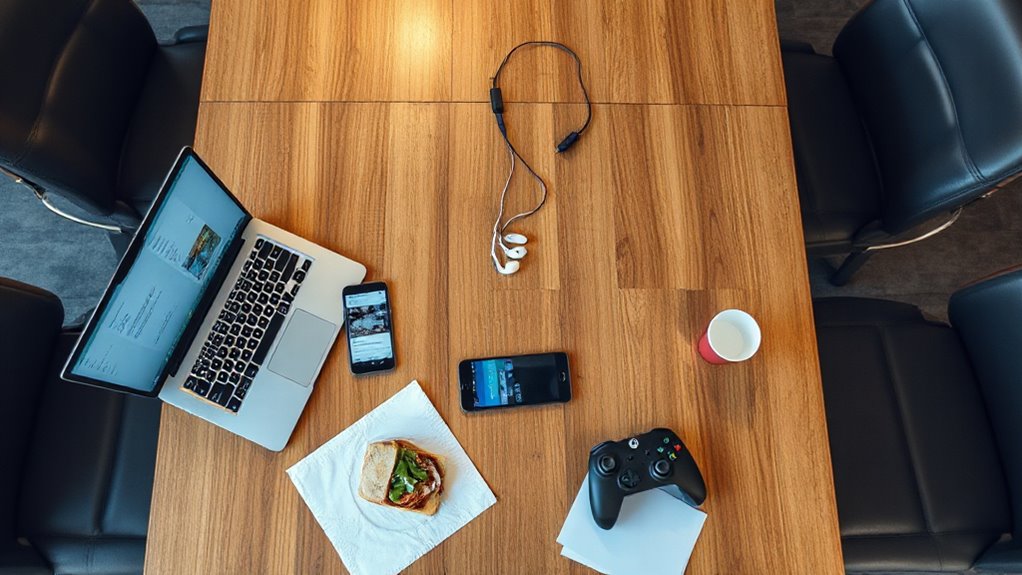
Beyond email and work tasks, people engage in surprisingly diverse activities during conference calls. More than half admit to eating or preparing food, creating disruptive chewing and shuffling sounds. Nearly half take restroom breaks, risking missing vital discussion points. Another 43% scroll through social media, shortening their attention spans and diminishing engagement. Some push boundaries further, with 26% playing video games and 9% performing intense gym workouts while supposedly participating in calls. A small but notable 6% even answer another call, juggling multiple conversations simultaneously and risking confusion about who is muted or unmuted.
The depth of meeting fatigue becomes evident when examining what people would prefer instead. An astonishing 46% would choose unpleasant alternatives over status meetings, including trips to the DMV, watching paint dry, enduring four-hour commutes, or even getting root canals. These extreme preferences underscore a pivotal problem: 78% report their meeting schedules have spiraled out of control.
Organizations must recognize these behaviors as symptoms of a larger issue rather than individual failings. Preparing for status meetings consumes 4.6 hours on average, exceeding the 4.5 hours spent attending them. This inefficiency demands systemic change. Leaders should evaluate meeting necessity rigorously, eliminate redundant gatherings, and make certain remaining meetings deliver genuine value. The most problematic meetings suffer from discussions without direction, with 51% of workers identifying this as the top issue preventing productive gatherings. Only by respecting people’s time and attention can organizations reclaim productivity and restore meaningful collaboration.