Why Relying on Motivation Always Fails for Exercise
Although motivation often feels like the essential ingredient for starting an exercise routine, research and real-world experience consistently show it is one of the least reliable forces for sustaining one. Motivation spikes powerfully at the beginning of a fitness journey, but it fades as novelty wears off and progress slows.
Because it is rooted in emotion, it fluctuates daily, making consistent training difficult. When exhaustion, stress, or discouragement appears, motivation disappears, and workouts stop entirely. Motivation was designed to initiate action, not maintain it. Recognizing this limitation is the first step toward building something far more dependable.
Many people also fail because they rely on motivation alone without ever establishing systems or habits to carry them through the inevitable low points. Motivation naturally rises and falls due to factors like sleep, stress, hormones, and life circumstances, meaning its absence is a normal human pattern rather than a sign of personal failure. Regularly capturing and reviewing your commitments using a trusted productivity system prevents forgotten obligations and supports consistency.
Set Workout Goals You’ll Actually Follow Through On
Setting clear, actionable goals transforms vague fitness intentions into concrete plans that actually stick. The SMART framework offers a reliable structure: goals should be specific, measurable, achievable, relevant, and time-bound. Rather than deciding to “exercise more,” committing to walking 10,000 steps daily creates accountability.
Breaking larger objectives into quarterly micro-goals prevents overwhelm while building momentum. Someone aiming to run a 5K might target three weekly workouts in the first quarter before increasing intensity. Small, consistent wins reinforce confidence over time. Sharing goals with family, friends, or coaches provides an additional layer of accountability that keeps motivation from fading.
When goals align with personal motivations, following through becomes markedly easier, transforming initial intentions into sustainable, long-term fitness habits. Avoiding unrealistic targets, such as training for a marathon next month, prevents the frustration that causes most people to abandon their fitness journey entirely. Regularly reviewing progress also supports better evaluation.
Find Workout Styles You Genuinely Enjoy
Once clear goals are in place, the next step is finding workout styles that make showing up feel worthwhile rather than obligatory. Exercise doesn’t require suffering through sessions someone dreads. Low-impact options like walking, swimming, or cycling suit those easing into movement. Regular physical activity also releases mood-boosting endorphins and neural chemicals that improve mental health and resilience to stress mental health benefits.
Strength training, bodyweight circuits, or Pilates appeal to those preferring structured, measurable progress. High-intensity formats like HIIT or circuit training challenge those craving intensity.
Mind-body practices such as yoga or tai chi attract those seeking calm alongside fitness. Adventure-oriented activities like rock climbing or martial arts engage competitive, exploratory personalities. Matching movement to genuine interest dramatically improves long-term consistency. For those in Arizona, Sultivate in Cottonwood and Sedona offers reformer Pilates, group fitness, yoga, and more to help people find what genuinely works for them.
Activities like dance, geocaching, or live action role playing bring a playful element to movement that makes exercise feel less like a chore and more like something worth returning to each day.
How to Build an Exercise Habit That Lasts
Building a lasting exercise habit begins not with grand ambitions but with small, sustainable actions that compound over time.
Beginners benefit from committing to just two or three short weekly workouts, gradually increasing duration as confidence grows.
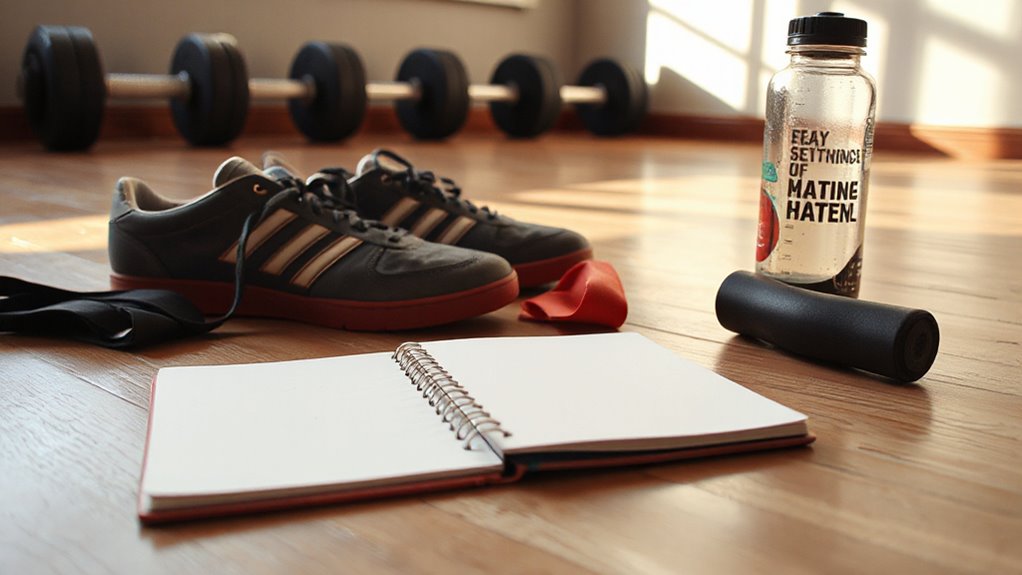
Scheduling sessions like non-cancellable appointments reinforces consistency, while environmental cues, such as visible gym shoes or a yoga mat, prompt follow-through.
Tracking progress and celebrating small milestones strengthens motivation by creating a self-confidence cycle. Rewarding achievements with non-food milestone rewards, such as a small gift or shopping trip, keeps motivation fresh and meaningful.
Research shows that pairing a new workout behavior with an existing daily habit, a strategy known as habit-stacking, accelerates automaticity by building new neural pathways around already programmed behaviors.
Perhaps most powerfully, adopting an identity-based mindset, viewing oneself as someone who simply moves daily, transforms exercise from an obligation into an integrated, sustainable lifestyle. Exercise also produces increases in BDNF levels, supporting the brain changes that make new habits easier to maintain over time.
How to Keep Exercising Consistently When Life Gets Busy
Even the most well-crafted exercise habit faces its greatest test not in the early days of motivation, but in the inevitable stretches when work deadlines pile up, family demands intensify, and time seems to vanish entirely.
During these periods, consistency matters more than perfection. Three ten-minute sessions deliver the same benefit as one thirty-minute workout. Walking during phone calls, taking stairs, or squeezing in brief strength training keeps momentum alive. Allowing rest days without guilt prevents full abandonment. The goal during chaotic weeks is minimum viable activity, just enough to maintain the habit until circumstances improve and fuller routines resume. Spending just ten minutes daily planning your week can help recover time and keep workouts on track 10-minute planning.
Scheduling workouts like important meetings removes the mental debate about when they will happen and keeps training non-negotiable even during the most demanding seasons of life.
For remote workers, using a walk pad or exercise bike during camera-off meetings offers a practical way to stay active without carving out extra dedicated time from an already packed schedule.
Related Posts