Why Deadlines Destroy Sleep, Meals, and Movement
When deadlines begin to pile up, the body and mind pay a measurable price that extends well beyond the workday. The prefrontal cortex remains active three to four hours past normal bedtime, elevating cortisol and creating a “wired but tired” state that disrupts natural sleep signals. Poor sleep quality directly correlates with worsened mental health and increased risk for mood disorders.
Meal timing suffers equally, with food intake delayed, caffeine consumption rising 30–50%, and meal skipping increasing 25%. Physical movement nearly disappears, as weekly workouts drop 60% and sedentary time climbs four to six hours daily.
Together, these disruptions compound stress, accelerate burnout, and steadily erode the physical and mental capacity needed to perform well. Research on Danish knowledge workers found that frequent work deadlines were consistently associated with poorer sleep quality across both cross-sectional and longitudinal measurements. For those managing mood disorders, the stakes are even higher, as sleep deprivation increases risk for more than mild depression.
Protect Your Sleep When Work Runs Late
Late nights at a desk do not have to mean poor sleep, provided a few deliberate strategies are put in place before the workday ends.
Keeping the bedroom between 16–19°C, blocking light with blackout curtains, and masking noise with white noise machines all support faster, deeper rest.
Before bed, disconnecting from screens thirty minutes early and engaging in gentle stretching or a warm bath helps the body shift into recovery mode. Working late on a computer screen can cause physical and psychological hyperarousal, making it harder to fall asleep and stay asleep even after the screen is off. Incorporating short mindfulness practices during the wind-down can reduce arousal and improve sleep onset mindfulness practice.
Stepping away from screens and unwinding with gentle movement signals the body that rest is near.
Avoiding heavy meals and alcohol within three hours of bedtime further reduces disruption, giving late workers a genuine chance at restorative, high-quality sleep. Waking at the same time each day, even after a late night, reinforces stable wake timing and helps the body maintain consistent circadian signals across the week.
Fit Movement Into Packed Days Without Losing Ground
Deadlines have a way of forcing out the very habits that make sustained productivity possible, and physical movement is usually the first victim.
Scheduling exercise like a non-negotiable appointment, blocked 20–30 minutes on the calendar, keeps it from disappearing under pressure.
Short bursts remain highly effective, as five-minute stair climbs or ten-minute resistance band sessions between tasks preserve physical momentum without demanding large time investments.
Preparing the environment also reduces friction, keeping workout clothes laid out and reminders set.
A flexible three-version system, ten minutes on tough days and forty-five on open ones, ensures consistency regardless of workload intensity. Calendar-based scheduling increases follow-through by 40 to 50 percent compared to relying on ad hoc motivation, making it one of the most practical tools for protecting training during high-pressure periods.
Combining exercise with an existing obligation, such as taking a walking meeting along a mapped route, removes the need to carve out entirely separate time and makes movement far easier to sustain during demanding weeks. Research confirms that even small amounts of physical activity deliver meaningful health benefits, meaning a shortened session on a brutal deadline day still counts and still helps. Regular movement also releases mood-boosting endorphins, which can improve focus and reduce stress during intense work periods.
Time Your Meals Around a Brutal Schedule
Brutal schedules do not have to dismantle a person’s eating rhythm, provided meals are timed with the same deliberateness applied to work tasks.
Eating breakfast within one hour of waking replenishes energy stores and stabilizes focus early. Setting a clear, time-bound plan for meal timing helps maintain consistency under pressure.
Spacing lunch four to five hours later sustains metabolism without interruption.
Dinner should follow three to four hours after that.
During extreme deadline periods, a five-feeding pattern distributes calories across breakfast, mid-morning, lunch, mid-afternoon, and dinner.
Stopping food intake three hours before sleep protects digestion and deep sleep cycles.
Pre-preparing meals in advance removes last-minute decisions entirely, preserving mental resources for demanding work. Batch cooking saves money and reduces the need for frequent supermarket visits, making it especially practical when time and mental energy are already stretched thin.
When gaps between meals stretch beyond five hours, planning a small snack such as low-fat cheese with fruit or vegetables with hummus prevents the kind of extreme hunger that derails focus and mood.
Build a Wind-Down Routine That Holds During Crunch Periods
Structured eating patterns preserve energy during demanding stretches, yet the body also needs a reliable signal that the workday has ended and rest is approaching. Setting a hard stop time for email and communication tools creates that boundary. Include a brief self-assessment each week to track what’s working and what needs adjustment, using a simple SWOT check to guide changes.
A hard stop time for email sends the body a clear signal: the workday is over, rest begins now.
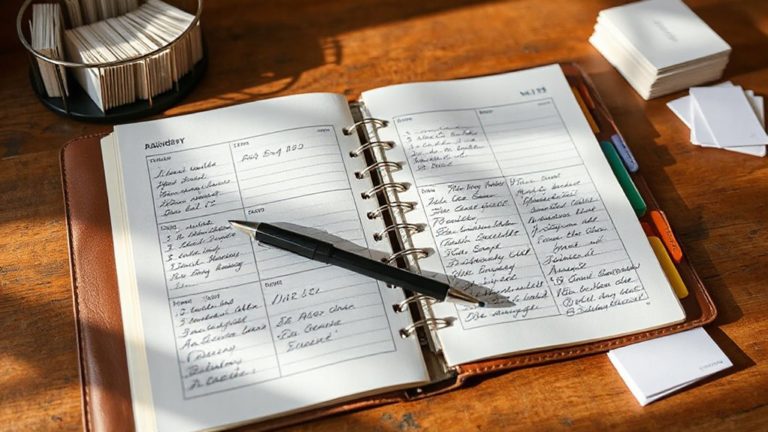
A simple visual cue, like switching off a desk lamp, reinforces the shift. Writing three unfinished tasks in a notebook offloads mental clutter, preventing the mind from cycling through tomorrow’s demands.
Gentle stretching, deep breathing using the 4-7-8 pattern, and dimmed lighting further calm the nervous system. Stopping electronic device use at least two hours before bed can also reduce the suppression of melatonin and improve the chances of falling asleep.
Repeating this sequence nightly builds a durable routine that holds even under significant deadline pressure. When schedules shift unpredictably, keeping the consistent sequence order matters more than starting at the same clock time each night.