Why Your Brain Keeps Hitting Snooze (And How to Stop It)
Every morning, millions of people silence an alarm only to reach for it again minutes later, caught in a cycle that feels impossible to break.
The brain enters a state called sleep inertia during that shift from sleep to wakefulness, producing grogginess, slowed thinking, and a powerful urge to return to sleep.
Hitting snooze does not resolve this state.
Each additional alarm forces another incomplete awakening, layering fresh sleep inertia on top of the previous one.
Every snooze button pressed compounds the problem, piling one incomplete awakening onto another in an exhausting loop.
Sleep cycles through distinct stages roughly every 90 minutes, and the alarm interrupts at an arbitrary point in the cycle, meaning the brain is rarely given the chance to complete a full restorative sequence.
Understanding this biology removes the guilt and redirects focus toward practical solutions that work with the brain rather than against it. Establishing consistent wake times and short timed routines like the Pomodoro Technique can create urgency and reduce the temptation to snooze.
Repeated snoozing can extend this impaired state to two to four hours, far beyond the 15 to 60 minutes healthy sleepers with consistent schedules typically experience.
Place Your Alarm Where It Forces You to Wake Up
Once the biology of sleep inertia is comprehended, the next logical step is removing the easiest route back to sleep. Alarm placement is a practical, immediate remedy.
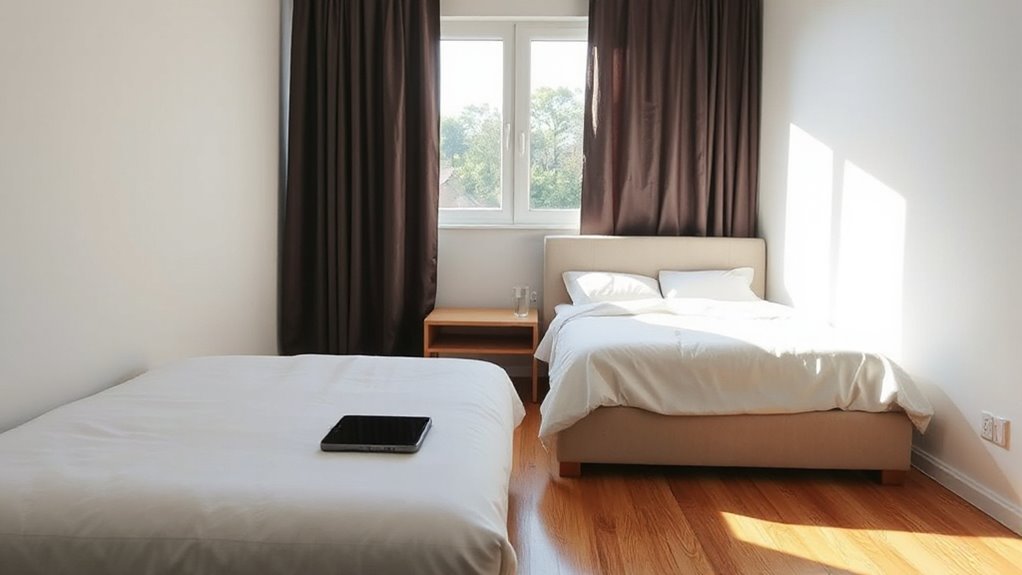
- Place the alarm at least six feet away, on a dresser, desk, or shelf.
- Position it near a window or bathroom to add light exposure and movement.
- Ensure the walking path remains open and the surface stays stable.
Physical distance creates a behavioral barrier. Silencing the alarm requires standing, and standing breaks inertia. That single requirement transforms a reflexive snooze into a deliberate morning start. Repeated snoozing raises the likelihood of waking during REM sleep, which intensifies grogginess and makes getting up feel even harder. Many people have already tried common workarounds like putting their phone across the room, yet snoozing persists because the habit is rooted in cognition, not just convenience. Brief bouts of morning physical activity can further reduce sleep inertia and help your focus start sooner.
Build a Multi-Alarm Setup That Actually Gets You Out of Bed
Most people who struggle with mornings do not have a discipline problem — they have a design problem.
A three-alarm sequence fixes this by assigning each alarm a distinct role.
The Wake Alarm begins the process.
The Out-of-Bed Alarm, set ten minutes later, forces feet onto the floor.
The Must-Start Alarm, arriving twenty-five to forty-five minutes after that, marks when the first real commitment begins.
Each gap serves a specific interim, not a repeated warning.
This structure replaces guesswork with a clear sequence of actions, making it notably harder for the brain to justify staying horizontal.
Conducting a regular time audit can reveal which parts of your morning routine actually need alarms and which are wasted minutes.
Use Bright Light and a Fixed Sequence to Beat Morning Grogginess
Even a well-designed alarm sequence can stall if the brain wakes into darkness and fog.
A sunrise lamp placed 18–24 inches from the face, ramping up over 30–45 minutes, delivers roughly 250–300 lux directly to the eyes, meaningfully reducing sleep inertia.
Once the light peaks, a fixed sequence locks in alertness:
- Rise immediately rather than lingering horizontally
- Move toward a brighter area or window within minutes
- Add a small physical cue, such as stretching or drinking water
Consistent repetition of this sequence trains the body to expect wakefulness, making the snooze button increasingly unnecessary. Poor sleep quality is strongly linked to worse mental health outcomes, and light is the most critical environmental signal driving this process, as the brain’s internal clock relies on light-sensitive retinal cells to detect dawn and suppress the melatonin that keeps the body in sleep mode.
For those prone to waking too early, a back-loaded ramp keeps brightness very low for the first 15 minutes before climbing sharply in the final 10, reducing the risk that early light exposure pulls the body out of sleep ahead of the intended wake time.
Fix the Sleep Habits That Make You Desperate for the Snooze Button
Bright light and morning routines address the waking side of the equation, but the snooze button often has deeper roots in what happens before bed.
Consistently getting fewer than seven hours creates a sleep debt that makes mornings feel genuinely punishing. Regular sleep helps stabilize mood and reduces stress that can sabotage sleep.
A regular bedtime and wake time stabilize the body clock, reducing that abrupt, disoriented feeling when the alarm sounds.
Screens, alcohol, and late meals near bedtime quietly erode sleep quality, leaving mornings harder than necessary.
Simple adjustments, like turning off devices thirty minutes before bed and keeping the bedroom cool and dark, can meaningfully reduce the urge to snooze.
Waking in the middle of a sleep cycle can trigger sleep inertia, a groggy, disoriented state that typically lasts thirty to sixty minutes and impairs memory, reasoning, and reaction time.
Research tracking millions of sleep sessions found that 56% of sessions ended with at least one press of the snooze button, suggesting the struggle to get up is far from a personal failing.
Related Posts