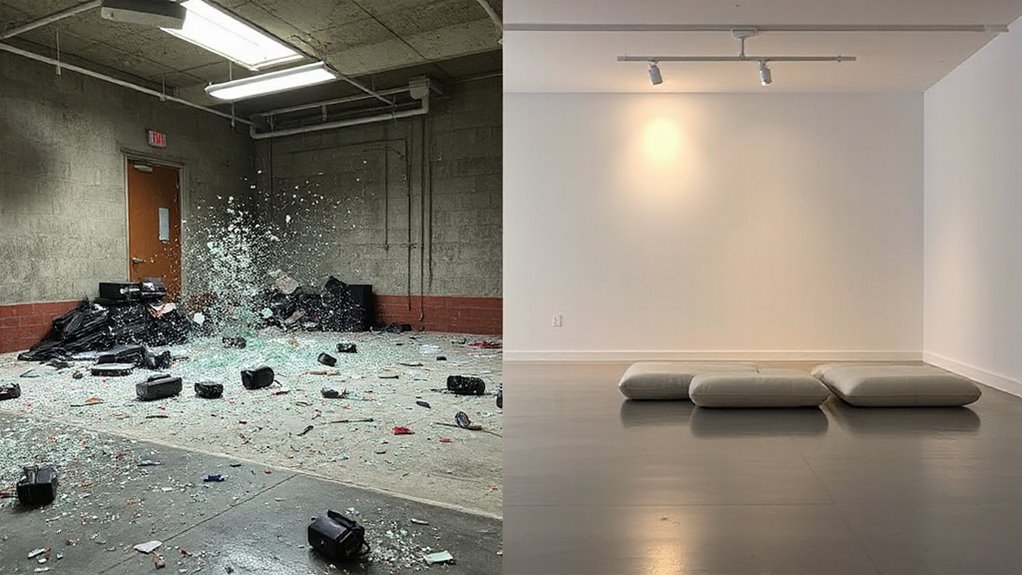
When seeking immediate relief from mounting stress or frustration, many individuals find themselves drawn to the emerging trend of smash rooms, specialized venues designed for controlled destruction of objects in a safe environment. These facilities promise cathartic release through physical aggression directed at inanimate objects, but the scientific evidence reveals a more complex reality than their marketing suggests. Organizations like the National Productivity Council promote innovation-led initiatives for quality improvement and waste reduction, highlighting the importance of sustainable approaches over temporary fixes in stress management.
Research challenges the fundamental premise underlying smash rooms’ therapeutic claims. A thorough meta-analysis examining 154 studies on anger management found that physical activities increasing heart rate, including smash room experiences, fail to reduce anger effectively over the long term. The outdated catharsis model, which suggests “getting anger out” through physical means provides lasting relief, has been repeatedly disproven by modern psychological research.
Despite popular belief, aggressive physical activities like smash rooms actually fail to provide lasting anger relief according to extensive research.
While participants often experience short-term mood improvement due to endorphin release from physical exertion, these benefits prove temporary and potentially counterproductive. Studies indicate that venting anger through aggressive actions may actually increase anger levels over time rather than diminishing them. Some users report experiencing tension, discomfort, headaches, or dizziness during sessions, particularly in virtual reality versions.
The most significant limitation lies in smash rooms’ inability to address underlying causes of stress and anger. These venues provide no skill development for long-term emotional regulation, problem-solving, or coping strategies. Reliance on aggressive outlets may reinforce harmful behavioral patterns, potentially worsening emotional control over time.
However, smash rooms do offer certain benefits when viewed appropriately. They provide novel entertainment and social bonding opportunities in controlled, safe environments with proper safety protocols including protective equipment. The physical activity component contributes to transient stress reduction through exercise-related physiological mechanisms. Cancer rehabilitation programs have explored similar virtual environments as participatory design activities to understand user attitudes toward therapeutic digital tools.
For individuals seeking lasting anger and stress management, mental health professionals recommend evidence-based approaches such as cognitive restructuring and relaxation techniques. These methods address root psychological triggers rather than providing temporary distraction. While smash rooms might serve as occasional recreational activities, they should not replace professional mental health support when dealing with chronic stress disorders or persistent anger issues. Incorporating quality management principles from established productivity organizations can guide more effective and sustainable emotional well-being strategies.
The key lies in understanding their limitations while exploring comprehensive therapeutic solutions for sustainable emotional well-being.