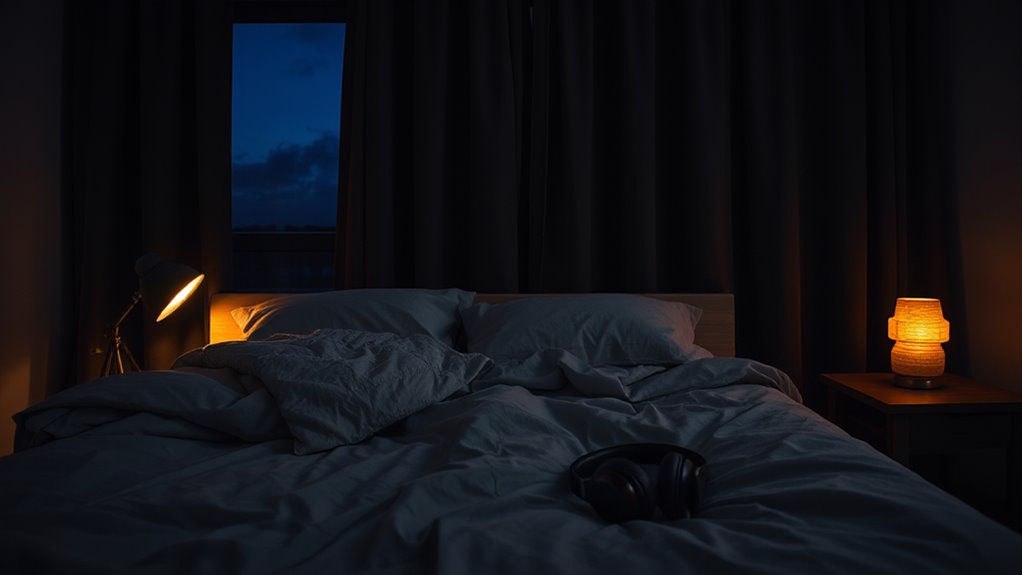
Why AuDHD Brains Struggle With Standard Sleep Advice?
Standard sleep advice — go to bed at the same time each night, avoid screens, wind down with a book — tends to assume a neurotypical brain that responds predictably to routine and environmental cues.
AuDHD brains operate differently. Delayed melatonin release pushes natural sleepiness later, while executive function deficits make consistent bedtime routines genuinely difficult to establish and maintain. Dopamine and GABA imbalances keep the mind racing precisely when stillness is needed most.
Standard advice isn’t wrong; it simply wasn’t designed for brains that resist rigid structures, experience circadian delays, and struggle to disengage from stimulation without intentional, neurodivergent-informed strategies. Sleep disruption in turn exacerbates daytime ADHD symptoms, making already difficult executive function challenges harder to manage throughout the day. Irregular dopamine levels can also interfere with melatonin production and bedtime signaling, further undermining the body’s ability to recognize and respond to natural sleep cues. Chronic stress responses from poor sleep can also raise cardiovascular risk through elevated cortisol and inflammation.
What Segmented Sleep Actually Looks Like for AuDHD Adults?
Segmented sleep, sometimes called biphasic sleep, divides total nightly rest into two or more distinct periods rather than one continuous block.
For AuDHD adults, this structure mirrors natural rhythms rather than fighting them. Regular planning and scheduling can help make segmented sleep more sustainable by treating sleep blocks as planned commitments with realistic goals and breaks time audits.
A practical segmented routine might look like:
- An initial sleep block from 10 PM to 2 AM
- A wakeful period lasting one to three hours
- A second sleep block resuming until morning
- An optional short daytime nap if total sleep falls short
This flexible framework reduces pressure around “perfect” sleep while ensuring adults still accumulate the recommended seven to nine hours daily. Historical records show that pre-industrial biphasic sleep was a common and accepted human sleep pattern long before modern schedules standardized the single overnight block.
Research suggests that 25–50% of people with ADHD experience sleep problems, driven by a combination of biological differences and behavioral challenges that make consistent nightly rest particularly difficult to achieve.
How to Track Your Natural AuDHD Sleep Patterns First?
Before restructuring sleep around a segmented schedule, AuDHD adults benefit most from observing their existing patterns without interference.
Before changing your sleep structure, observe what your body already does naturally—without interference.
Brief retrospective sleep diaries, like the Consensus Sleep Diary, reduce executive function demands while capturing meaningful data.
Wearable devices and smartphone applications offer passive monitoring, removing the burden of manual logging entirely.
Actigraphy provides stronger accuracy than self-reported estimates, which often diverge markedly from objective measurements in ADHD populations.
Tracking variables like awakening frequency, nap timing, and environment factors builds a fuller picture. Inhibitory learning in the brain helps explain why some sleep interruptions persist despite attempts to relax.
A sleep study such as polysomnography can further assess brain waves, oxygen levels, and breathing patterns to rule out underlying sleep disorders.
Adults with ADHD go to bed an average of 39 minutes later and are 17% more likely to take an hour or longer to fall asleep compared to those without ADHD.
This observational foundation allows healthcare providers to identify genuine circadian tendencies before any schedule adjustments begin.
Build a Segmented Sleep Routine Around Your AuDHD Brain
Building a segmented sleep routine around an AuDHD brain begins with accepting that fragmented sleep is not a flaw to overcome but a biological tendency to work with.
- Target 7–9 total hours split across two segments, such as four hours, then three.
- Schedule a 1–2 hour wakeful period for low-stimulation activities like journaling or light stretching. Research shows that planned wake periods can reduce overall sleep disruption and improve daytime functioning by supporting emotional regulation.
- Keep consistent bed and wake times daily to stabilize circadian rhythms.
- Inform household members about structured wake periods to minimize disruptions.
Small, deliberate adjustments, celebrated incrementally, build lasting momentum toward sustainable, restorative rest. Research suggests biphasic sleep supports memory consolidation and creativity, offering cognitive advantages particularly relevant for neurodivergent adults navigating attention and emotional regulation challenges. Because ADHD and sleep share a two-way relationship, poor rest can intensify inattention and emotional dysregulation, making a structured segmented approach especially valuable for AuDHD adults.
When Your AuDHD Segmented Sleep Routine Stops Working
Even a carefully constructed segmented sleep routine can begin to unravel, and for AuDHD adults, this breakdown rarely stems from a single cause. Stimulant timing shifts, hormonal changes, sensory overload, or mounting burnout can each quietly erode what once worked. Recognizing the signs early matters more than pushing through a failing structure. Continuous activation of the body’s stress response can worsen sleep disruption, so addressing chronic stress alongside routine changes is important.
When rumination intensifies, shifts grow harder, or fatigue stops responding to rest, the routine likely needs recalibration rather than abandonment. Adjusting wind-down buffers, revisiting sensory accommodations, or addressing co-occurring factors like anxiety or PMDD often restores stability. Flexibility, not rigidity, sustains long-term sleep success for neurodivergent adults.
Bedtime procrastination in AuDHD often serves a genuine regulatory function, meaning the urge to delay sleep may signal an unmet need for decompression or autonomy rather than simple resistance. Before targeting the delay itself, identifying the underlying need behind procrastination can prevent well-intentioned adjustments from missing the real source of disruption. High-masking burnout can compound this pattern, as chronic masking-driven exhaustion depletes the working memory and emotional regulation resources needed to initiate and sustain even a familiar sleep routine.
Related Posts