Find Your Daily Peak Energy Windows for Deep Work
Before committing to an ambitious deep work schedule, one must first understand the natural rhythms that govern human energy and attention throughout the day. Humans operate in 90-120 minute ultradian cycles, with each cycle beginning featuring heightened focus ideal for demanding tasks.
The first cycle typically starts around 8 AM, offering 90 minutes of peak concentration. To identify personal efficiency windows, track energy levels, focus quality, and performance throughout the day.
This data reveals biological prime time—those precious hours when alertness peaks and complex problem-solving becomes manageable. Schedule critical work during these windows, reserving routine tasks for energy dips. Neural filtering occurs automatically at multiple levels, especially in early sensory cortex regions, which helps block irrelevant inputs and support sustained focus neural filtering.
Schedule Two 90-Minute Deep Work Blocks Each Day
Two 90-minute deep work blocks represent the practical ceiling for sustainable cognitive performance, aligning with both neuroscience research and the lived experience of high performers across disciplines.
Sustainable peak performance clusters around 180 minutes daily—two focused blocks that honor both biological limits and achievement potential.
Dr. Andrew Huberman confirms most individuals achieve only three to four hours of genuine deep work daily, making two blocks the ideal target.
Implementation Framework:
- Morning positioning – Schedule the first block four to six hours post-wake-up, capitalizing on peak alertness windows
- Protected boundaries – Use timers and full-screen mode to create immersive 90-minute tunnels
- Strategic spacing – Reserve lighter work between blocks, preventing cognitive fatigue while maintaining daily momentum
Regular short breaks and timed sessions like the Pomodoro Technique can boost sustained attention and make these deep blocks more productive.
Clear Your Workspace and Silence All Notifications
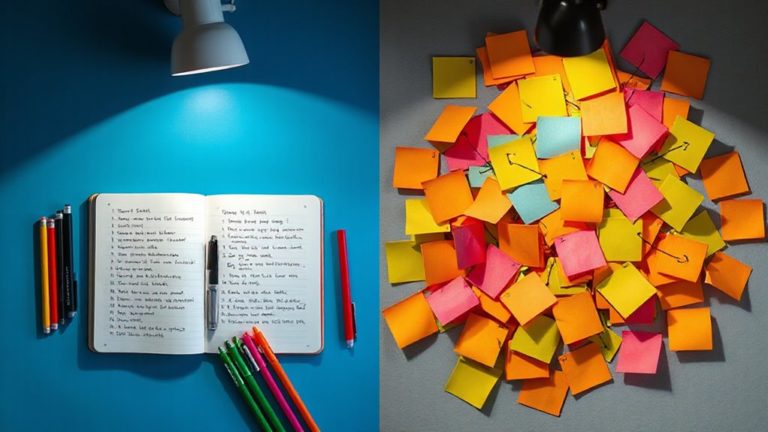
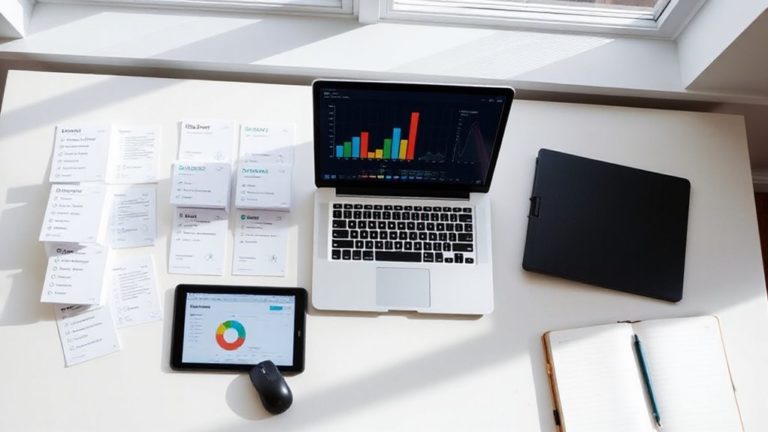
Physical and digital clutter operates as a persistent cognitive tax, fragmenting attention even when distractions appear dormant. Cluttered desks generate visual noise that overloads the brain with unnecessary stimuli, stealing focus from priority tasks. A clear surface minimizes diversions and reduces subconscious mental strain, allowing concentration to flow uninterrupted.
Similarly, silencing notifications eliminates constant digital interruptions that force costly cognitive switches. Each alert diverts mental energy, compounding decision fatigue and fragmenting workflow. Together, these practices create an environment where deep work flourishes. Organized workspaces place essential tools within reach, streamlining efficiency while fostering calm clarity essential for sustained productivity and deadline adherence.
Reducing these distractions can recover significant working time and lower stress by improving focus and efficiency, contributing to better work-life balance.
Block Your Calendar With Fixed Start and End Times
A pristine workspace sets the stage, but without temporal boundaries, even the most organized environment surrenders to drift and procrastination.
Calendar blocking transforms intentions into commitments by establishing non-negotiable start and end times for deep work sessions.
Without calendar boundaries, focused work remains wishful thinking—temporal constraints transform vague intentions into protected reality.
Effective implementation requires three strategic elements:
- Schedule blocks 2–4 weeks in advance like doctor’s appointments, ensuring protection before competing requests arrive
- Align sessions with personal energy peaks—mornings for early risers, evenings for night owls
- Begin with 90-minute blocks twice weekly, marking them “unavailable” on shared calendars to prevent meeting intrusions
This architecture creates psychological commitment while signaling unavailability to colleagues.
Spending just ten minutes daily planning can recover significant productive time, so combine calendar blocking with daily planning to maximize results.
Batch Email and Meetings Outside Deep Work Hours
Beyond calendar boundaries, email and meeting management determines whether protected hours remain truly protected or gradually erode into reactive firefighting.
Batching communication into dedicated windows—typically twice daily for thirty minutes—prevents constant context switching that research shows requires thirty minutes to overcome. Workers now receive 153 Teams messages daily, with 29% checking inboxes by 10pm.
Limiting email checks to preset times like 10am and 2pm separates shallow administrative tasks from deep work blocks. Notifications silenced outside batches eliminate interruptions, allowing sustained concentration on high-priority activities while preventing the Zeigarnik effect’s stress from perpetual unfinished inbox alerts.
Adopting a brief daily planning routine can recover up to two hours of productive time by clarifying priorities and scheduling communication windows, a practice supported by evidence that 10 minutes of planning yields significant gains.
Protect Your 4-Hour Limit With Afternoon Rest Periods
Despite the temptation to push through fatigue, sustaining deep work beyond the four-hour daily threshold produces sharply diminishing returns that undermine the quality of cognitive output.
Research confirms that attention wanes markedly after this limit, making afternoon rest periods essential for maintaining peak performance.
Strategic recovery protects cognitive resources while supporting long-term productivity.
Optimal afternoon rest strategies include:
- Schedule morning blocks during peak energy hours, completing four hours before noon
- Incorporate restorative breaks of 10-15 minutes between focused sessions
- Embrace extended recovery through walking, sunlight exposure, or brief naps to restore mental clarity
Short, frequent breaks and brief physical activity can boost focus for several hours afterward, supporting recovery and sustained attention exercise boosts focus.
Related Posts