Reaching the four-hour mark of deep work represents both an achievement and a biological threshold that demands strategic shift. Research confirms this duration approaches the maximum sustainable capacity for focused attention, and pushing beyond it risks diminishing returns through accumulated brain fatigue.
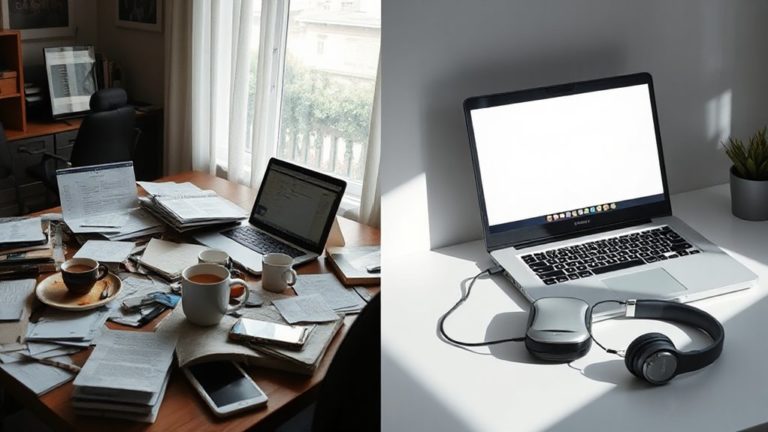
Recognizing this limit protects long-term productivity and prevents burnout, making the question of what follows these intensive hours critical for maintaining cognitive health. A practical way to support recovery is to ensure your workspace is distraction-free to minimize lingering cognitive load.
The immediate priority after completing deep work sessions involves genuine mental rest through complete disconnection from work-related tasks. This means avoiding emails, group chat conversations, and any activities that continue professional engagement during evening hours.
True downtime directly improves the quality of subsequent deep work sessions, creating a cycle where adequate rest supports enhanced performance the following day.
Implementing a formal shutdown ritual provides psychological closure to the workday. This process involves reviewing completed tasks, identifying accomplishments, and planning future priorities before using a specific phrase or action to signal mental shifting into off-mode.
Such rituals prevent work thoughts from intruding during personal time, establishing clear boundaries between professional and private life.
For remaining work hours, moving to low-willpower activities preserves mental resources while maintaining productivity. Administrative tasks like email correspondence, phone calls, and meetings can be batched into consolidated blocks scheduled for afternoon periods when cognitive energy naturally declines.
Reserving two to three hours for these responsibilities guarantees necessary work continues without depleting focus reserves.
Personal time activities provide essential rejuvenation through social connection, physical movement, and engaging hobbies. Gathering with friends and family, walking in nature, cooking, or pursuing creative interests offers mental engagement without work-related stress.
Incorporating household responsibilities and personal care activities like yoga or stretching counteracts physical strain from prolonged sitting. Disabling blue-light emitters on computers and phones during evening hours supports faster sleep onset and better rest quality. Replacing internet entertainment with high-quality leisure activities during downtime protects attention and maximizes restorative benefits.
The strategy succeeds by respecting biological limits rather than fighting them. Four hours of deep work represents prime capacity, and structuring remaining time around administrative batching, genuine rest, and meaningful personal activities sustains both immediate productivity and long-term cognitive performance.