



Heavy use of social media can worsen anxiety, depression, sleep and self-esteem, and the risks are highest for teenagers. Understanding how social media affects mental health helps you act on it: limit daily time, avoid screens before bed, and treat persistent low mood as something that may need professional help.
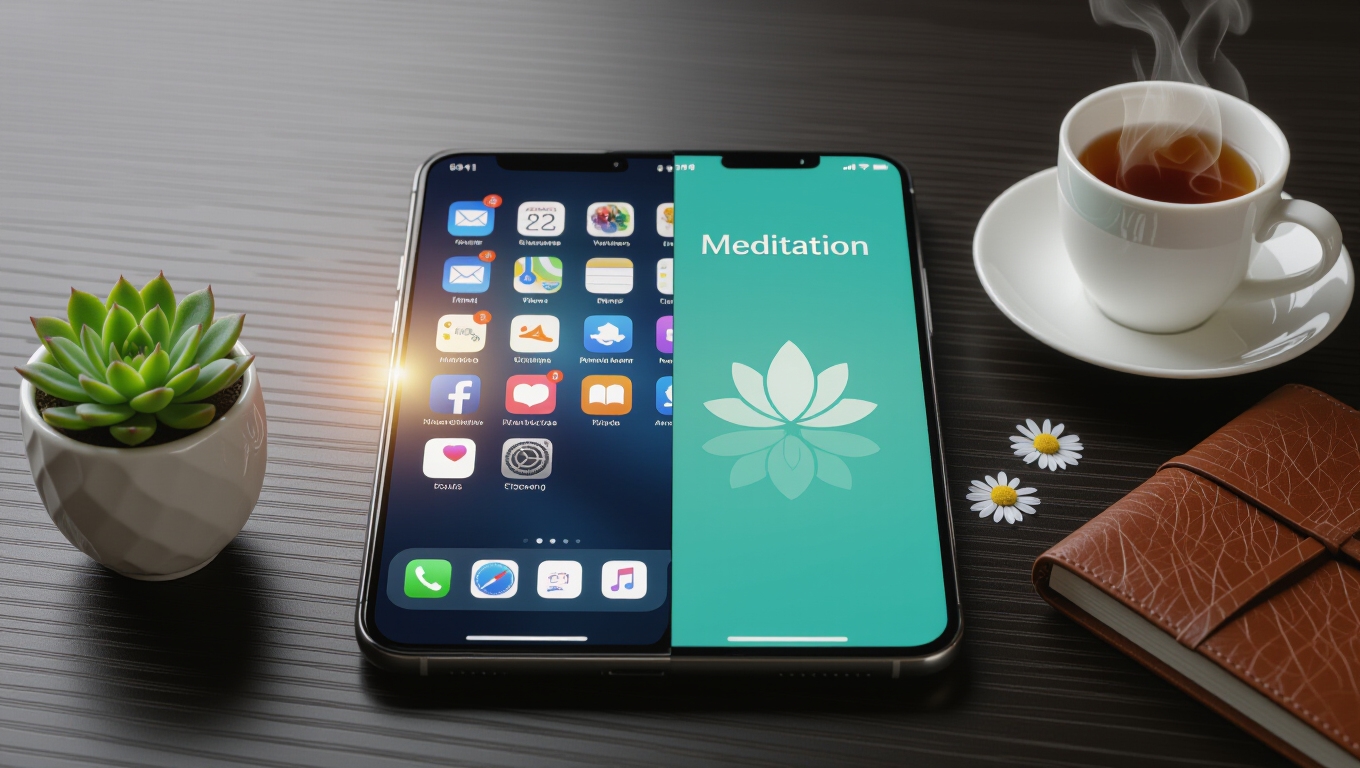
The digital age has changed how people connect, communicate and see themselves, and social media platforms are now central to daily life for billions of users. These platforms offer real opportunities for connection and information sharing, but research points to significant implications for mental health.
Social Media and Mental Health: What the Research Shows
Anxiety, Depression and Loneliness
Studies consistently show strong correlations between heavy social media use and higher rates of anxiety and depression, particularly among adolescents and young adults. Over 50% of teenagers report feeling anxious or depressed after using social media, and teen girls who spend excessive time on platforms face a 50% higher risk of depression. Heavy users also show a 27% rise in depression rates compared with moderate users. In addition, nearly 40% of adults say social media makes them feel lonely or isolated.
It is important to distinguish between temporary low motivation and clinical depression, because the latter requires professional treatment to address underlying causes.
Sleep Disruption
Sleep is another critical concern: 78% of people use social media before bed, which compromises sleep quality. Poor sleep creates a destructive cycle, because inadequate rest further worsens mental health and increases vulnerability to the negative effects of social media. Blue light from screens can suppress melatonin, which further impairs restorative sleep.
Cyberbullying
Cyberbullying affects 7 in 10 young people and increases depression rates by 70% among victims. Online harassment, spread through instant messaging and image sharing, creates an environment of abuse that is hard to escape in a way traditional bullying never was.
Social Comparison and Self-Esteem
About 40% of users feel inadequate when they compare their lives with carefully curated online content. Constant exposure to idealized images and lifestyles lowers self-esteem, heightens anxiety and creates unrealistic expectations and self-doubt.
Dependence and Time Spent Online
One in 4 people feel dependent on social media. Those spending over 3 hours daily are twice as likely to experience mental health issues, and users exceeding 5 hours daily face 2.8 times higher depression risk. Fear of Missing Out intensifies anxiety and reduces life satisfaction. Research also shows Facebook dominance across studies, with the platform appearing in 39% of social media mental health investigations.
Awareness is the first step toward healthier digital habits. More than 60% of Gen Z users recognize social media’s potential harm, which suggests growing interest in balanced use and boundaries.
Common Questions About Social Media and Mental Health
How Much Daily Social Media Use Is Considered Healthy or Safe?
Mental health experts recommend limiting daily social media use to 30-60 minutes. No universal standard exists, but research indicates that keeping use under one hour considerably reduces anxiety and depression symptoms.
The American Academy of Pediatrics recommends that families set consistent limits through a family media plan rather than a single hour cap. Global averages exceed 145 minutes daily, so most users benefit from time limits and designated usage periods.
Can Social Media Addiction Be Treated With Professional Therapy or Counseling?
Yes, social media addiction can be treated through professional therapy and counseling. Cognitive Behavioral Therapy shows the highest success rates, with therapy-based interventions improving mental well-being in 83% of studies.
Treatment typically involves outpatient counseling that addresses underlying triggers, challenges negative thought patterns and builds healthier coping strategies. Group therapy and mindfulness techniques provide additional support.
Which Social Media Platforms Are Most Harmful to Mental Health?
Instagram poses particular risks for teenage girls, with internal studies finding that about one in three teen girls who already felt bad about their bodies said Instagram made them feel worse. Facebook correlates with depression among people under 35, while TikTok and Snapchat connect to depressive symptoms in adults over 35.
All platforms facilitate cyberbullying and unrealistic comparisons. Individual experiences vary substantially, and mindful usage can help reduce harm on any platform.
Do Certain Age Groups Experience Worse Mental Health Effects From Social Media?
Early adolescents aged 12-15 experience the most severe effects, with double the risk of depression and anxiety when they spend over three hours daily online. Teenage girls show particularly heightened vulnerability, with increased body image issues and depression rates.
Young adults aged 18-25 face different risks: online social support that benefits younger teens often worsens depressive symptoms in this older group.
Can Positive Social Media Habits Actually Improve Your Mental Wellbeing?
Research suggests positive habits can enhance mental wellbeing when practiced mindfully. Users who engage without emotional dependence and focus on meaningful connections report better mental health outcomes.
Routine use that strengthens existing relationships, encourages creative expression and supports gratitude practices contributes to a greater sense of belonging and less loneliness. Behavioral interventions that build self-regulation skills help people develop healthier engagement patterns.
Building Healthier Social Media Habits
Start with one change this week, such as keeping your phone out of the bedroom or capping daily use at an hour. If low mood, anxiety or compulsive use persists, speak with a mental health professional rather than waiting for it to pass.