





Why a Quick Check Costs Developers 23 Minutes of Focus
Every developer has experienced the moment: a notification appears, a quick glance seems harmless, and then minutes later the mental thread connecting dozens of lines of code has quietly unraveled.
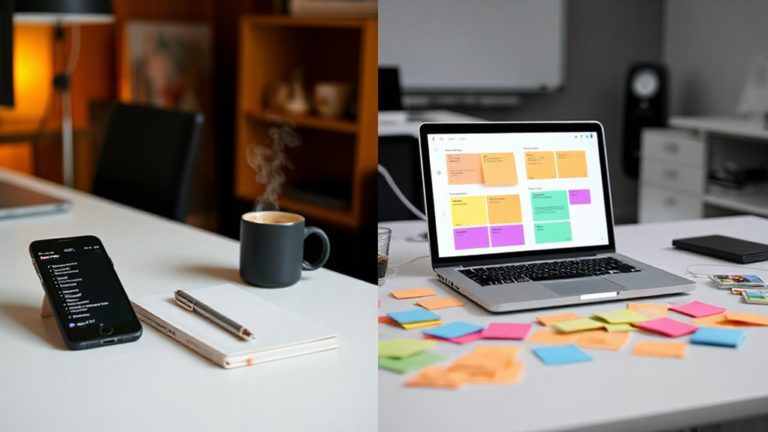
A glance at a notification seems harmless — until the mental thread holding your work together quietly unravels.
Research from UC Irvine found that recovering full attention after an interruption takes approximately 23 minutes and 15 seconds.
The interruption itself may last only seconds, but the recovery period dominates the real cost.
For developers handling complex logic, debugging, or refactoring, that number can feel even larger. Neural filtering in early sensory cortex shows that disruptions reduce the brain’s ability to process incoming information, making reorientation slower and harder early sensory filtering.
The actual loss happens after the check, not during it, making the habit far more expensive than it appears.
Developers can switch tasks or face interruptions about 59% of the time, making fragmented focus a persistent drain on productivity rather than an occasional inconvenience.
Research shows that only 10% of interrupted developer sessions resume within a minute, meaning the vast majority of interruptions trigger a lengthy and costly recovery cycle.
Why Half Your Brain Stays Stuck on the Last Thing You Checked
Checking a notification feels like a minor detour, but the mind rarely returns in full. When a developer switches tasks before finishing, the brain keeps a background process running on the previous work. This is attention residue, and it quietly drains cognitive capacity. Regular mindfulness practice can reduce this effect by improving the brain’s ability to reorient to the present moment.
- Unfinished tasks stay active in working memory after switching
- Background processing consumes attention meant for the current task
- Lingering thoughts reduce performance on what comes next
- Residue fades only after the brain fully reorients
Recognizing this pattern is the first step toward protecting the deep focus that quality work demands. Research found that receiving a cell phone notification disrupted performance on an attention-demanding task even when participants did not directly interact. Studies show that task switching can reduce productive output by up to 40 percent, meaning the cost of each quick check compounds far beyond the seconds it takes to glance at a screen.
The Notifications and Pings That Keep Pulling Developers Away
Attention residue explains why the mind struggles to return fully after a brief distraction, but it does not explain what keeps triggering those distractions in the first place.
For developers, notifications are the primary culprit. Email and instant message alerts interrupt work at rates exceeding 83 percent, according to one survey. Each ping demands an attention shift, however brief, and those shifts accumulate. Implementing scheduled email checks and turning off non-essential alerts can significantly reduce these disruptions and support digital boundaries.
Developers working across email, Slack, Jira, and meeting tools face constant context switching throughout the day. Research from UC Irvine found that after a meaningful interruption, it takes workers an average of 23 minutes to recover their prior depth of focus.
Disabling non-critical notifications and using Do Not Disturb during focused blocks are practical first steps toward reclaiming uninterrupted work time. Research suggests that nearly 45 percent of interruptions could be reduced through better knowledge sharing and documentation alone.
Block Interruptions Before They Break Your Flow
Knowing that a single interruption can cost a developer more than 23 minutes of recovered focus, the smarter move is to stop interruptions before they arrive rather than manage the fallout after. Proactive blocking creates the conditions where deep work actually happens. Fragmented calendars alone can silently drain hours of deep work before a single line of code is written.
- Hold calendar blocks so teammates know when focus time is protected
- Enable Do Not Disturb on all devices during coding sessions
- Close Slack, email, and communication apps entirely during those windows
- Establish team-wide norms that treat these blocks as non-negotiable
Research shows that developers who protect their focus time through time blocking produce 2.4x more cognitively demanding output than those who work without structured deep work protections. Blocking interruptions before they land is consistently more effective than attempting recovery afterward. Teams that adopt timeboxing for focused sessions report fewer context switches and higher sustained productivity.
Batch Your Checks So Coding Focus Stays Intact
Blocking interruptions removes one layer of the problem, but the habit of checking messages between those blocks can quietly erode focus just as much.
Batching communication into fixed windows, such as morning, midday, and late afternoon, transforms message handling from reactive to predictable.
Scheduled communication windows turn inbox chaos into a calm, predictable rhythm that supports deeper, uninterrupted work.
Similar tasks grouped together also reduce repeated mental reset costs, since switching between unrelated work fragments attention over time.
Research suggests interrupted developers need anywhere from 15 minutes to over 23 minutes to fully regain concentration.
Pairing scheduled check windows with an auto-response explaining response delays makes the approach sustainable and respectful toward colleagues simultaneously. Studies tracking professional developers found that self-interruptions are more disruptive to task performance than interruptions initiated by external sources.
A survey of 141 professional software developers found that 97% reported needing extra time to regain focus after returning to a task that had been interrupted.