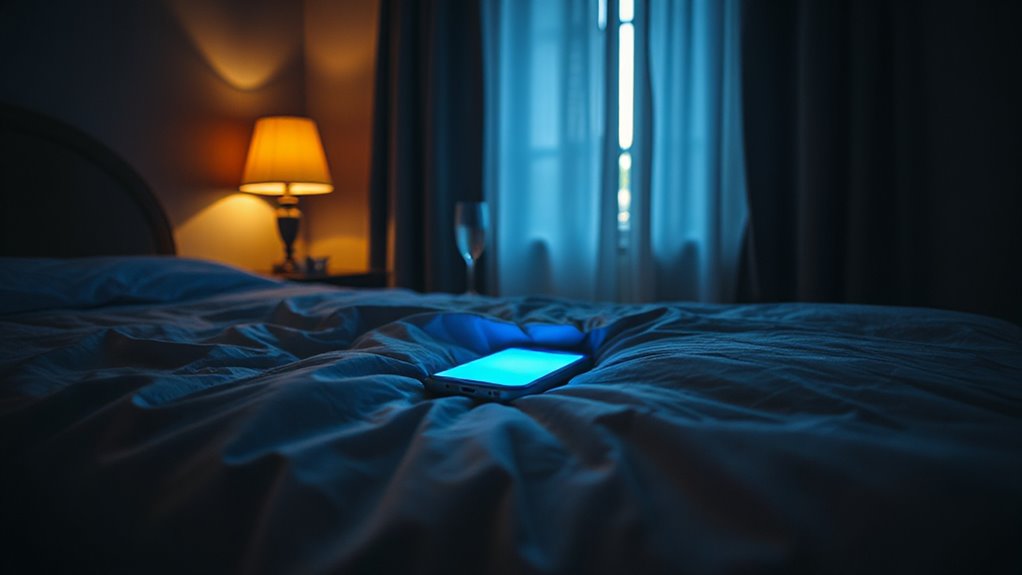
Why Doomscrolling at Night Wrecks Your Sleep
At night, when the body is primed to wind down, the glow of a screen can quietly sabotage the entire sleep process. Screens emit blue light that suppresses melatonin, the hormone responsible for signaling sleepiness, pushing natural sleep cycles later into the night.
Beyond light exposure, emotionally charged content activates cortisol, the stress hormone, while dopamine-driven scrolling loops keep the brain locked in reward-seeking mode. Research confirms that nighttime screen use reduces sleep duration by roughly 20 minutes nightly, increases the time needed to fall asleep, and fragments deep sleep. Understanding these mechanisms is the first step toward meaningful change.
What makes doomscrolling particularly difficult to resist is that its dopamine reward loops mirror the same reinforcement patterns found in gambling and gaming, making it genuinely hard for the brain to disengage.
Even accessing resources that could help, such as sleep-focused websites, can sometimes be interrupted when security services block access due to flagged activity, underscoring how friction in the digital environment affects our relationship with online information at every level.
Neural systems also actively suppress irrelevant signals at early sensory levels, so reducing night-time screen exposure supports the brain’s own inhibitory filtering.
Set Up Your Bedroom to Stop Doomscrolling at Night
The bedroom environment plays a more powerful role in shaping sleep behavior than most people realize.
Charging phones outside the bedroom entirely removes the temptation to scroll, since physical distance makes the habit harder to maintain. Blackout curtains block light that suppresses melatonin, while white noise machines mask external sounds that trigger phone checking. Cool temperatures and comfortable bedding create an inviting space that competes with screen appeal. Regular short breaks from screens during the day can also reduce evening cravings to keep looking for new content.
Designating the bedroom strictly for rest reinforces a mental association between the space and sleep, gradually replacing the doomscrolling habit with something far more restorative. Keeping the phone at least 3 feet from the bed, or better yet in the living room or kitchen, eliminates the unconscious reach that turns a sleepy moment into an hour of scrolling. Some websites and apps even use automated protection systems to detect and limit compulsive browsing behavior, reflecting how seriously excessive scrolling is taken beyond the individual level.
Use Your Phone’s Own Tools Against Doomscrolling
Designing a sleep-friendly bedroom removes many external triggers for doomscrolling, but the phone itself remains the most direct obstacle to better nights. Fortunately, modern smartphones include powerful built-in tools specifically designed to limit compulsive usage. Focus Mode on iPhone and Digital Wellbeing on Android allow users to schedule periods when distracting apps become inaccessible automatically. App timers restrict daily usage for social media and news applications, locking them once limits are reached. Converting screens to grayscale reduces the visual appeal driving endless scrolling. Moving problematic apps off the home screen adds friction, interrupting the unconscious habit before it begins. Habit tracking apps like Streaks or Habitica can reinforce consistent nighttime routines by rewarding follow-through with visible progress. Charging your phone outside the bedroom eliminates the temptation to scroll before sleep and supports a calmer morning routine. Many of these measures also save users time by cutting down on unnecessary app-switching and improving overall productivity workflow efficiency.
Replace Doomscrolling With a Calming Bedtime Ritual
Once the phone is no longer the default companion at bedtime, something intentional needs to take its place.
Removing the phone from your bedtime routine creates a vacuum — one worth filling with something deliberate.
A simple nine-minute routine can bridge that gap effectively: brewing tea, completing skincare, reading one book page, listening to calming music, then sitting in sixty seconds of silence. Maintaining proper temperature and lighting in your bedroom also supports concentration and relaxation, helping the body transition to rest in a predictable way optimal room temperature.
Slow hobbies like knitting or puzzles also redirect the mind without adding screen strain.
Reframing the experience helps, too. Shifting from “I need to unplug” to “I want to be present” transforms obligation into choice.
Small, consistent micro-habits signal the nervous system that rest is not just permitted but genuinely anticipated. Reframing bedtime as closing the day with care rather than simply going to sleep encourages intentional, soothing habits that feel rewarding rather than routine.
Keeping a designated phone landing spot, such as a dresser, shelf, or charger across the room, removes the automatic association between being in bed and reaching for the phone.
Reset Your Body Clock So Sleep Comes Naturally
Rituals and habits shape the mind’s relationship with sleep, but the body’s internal clock determines whether sleep actually arrives on time. Resetting that clock requires consistent daily signals.
Morning sunlight exposure stops melatonin production and triggers cortisol, reinforcing earlier wake times. Evening light from screens delays this cycle by suppressing melatonin when it should rise naturally. Poor sleep also impairs emotional regulation and increases the risk of mental health problems, so protecting evening darkness helps mental health.
Maintaining identical sleep and wake times daily, including weekends, trains the body to release melatonin automatically. Morning exercise further reinforces alertness during waking hours while supporting earlier sleep onset.
Together, these consistent environmental cues rebuild a reliable circadian rhythm that makes falling asleep effortless. Consuming caffeine too close to bedtime undermines this rhythm, as it can reduce sleep quality and quantity up to six hours after consumption.
Meal timing also plays a role in regulating the body’s internal schedule, as eating at later times can shift circadian rhythms later while consistent meal timing helps reinforce a stable sleep–wake cycle.