





Understand Why Your Brain Reacts to Distractions
At the core of every distraction lies a brain doing exactly what it was built to do.
The attention system is wired to detect novelty, sudden movement, loud sounds, and unexpected change.
This response is automatic, fast, and largely involuntary.
Bright lights, abrupt notifications, and high-contrast stimuli bypass deliberate focus entirely.
The brain treats these signals as potential threats or opportunities worth evaluating.
Task-irrelevant input still enters awareness when it carries enough salience.
Understanding this mechanism matters because it reframes distraction as biology, not weakness.
That reframing is the first step toward managing reactions more deliberately and building stronger attentional habits.
Every time attention is pulled away involuntarily, processing resources are consumed, leaving less capacity available for the task you were originally focused on.
The brain continuously generates predictive models about the environment, and attention itself reflects precision weighting of sensory signals, which controls how much influence incoming stimuli have over ongoing behaviour.
Maintaining a distraction-free environment and minimizing notifications helps reduce those involuntary pulls on attention.
Start Your Day With a 10-Minute Attention Reset
Knowing why the brain reacts to distractions is useful, but that knowledge only becomes practical when it shapes daily behavior.
A 10-minute morning reset builds that bridge.
Skipping screens for the first 30 minutes protects attention before reactive demands take over. This helps prevent early sensory overload by reducing inputs that would otherwise trigger automatic neural filtering.
Protecting your attention in the morning starts with one simple rule: leave the screens alone.
Drinking water and stepping into natural light reduces sluggishness and sharpens alertness.
Two to five minutes of diaphragmatic breathing supports calm and present-moment focus.
Ending the reset with a short review of three to five daily priorities anchors attention on what matters most.
Repeated consistently, this sequence trains the brain to begin each day from a position of readiness. Aligning this routine with your peak productivity hours ensures the most demanding work gets scheduled when mental energy is naturally highest.
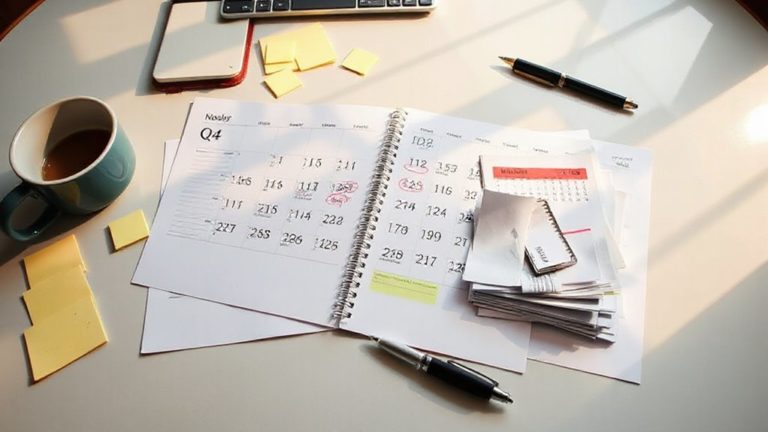
Planning the night before reduces morning decision fatigue and ensures a clear first task is already waiting when the day begins.
Remove the Triggers in Your Space That Keep Pulling You Off Task
Understanding what pulls attention away is only half the work — the other half involves changing the environment where that attention is supposed to land.
Research shows that 71% of employees cite coworkers as their primary focus disruptor, while phone notifications affect 62%. Effective time management can also recover lost hours by helping employees reclaim otherwise wasted time.
These are not random occurrences — they are predictable triggers embedded in the workspace itself.
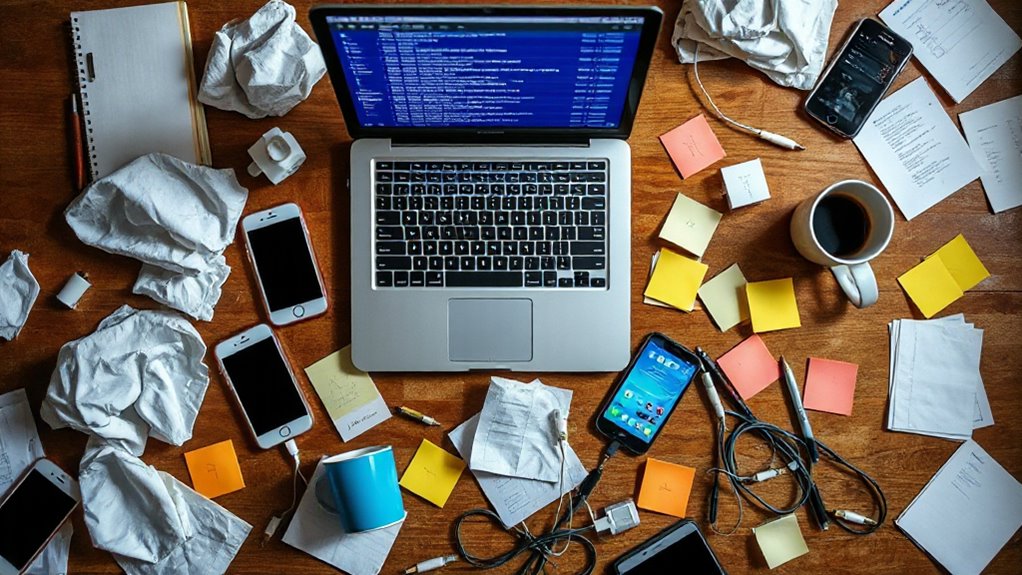
Keeping a phone visible invites reflexive checking.
Open email tabs and notification badges sustain attention switching even without active use.
Silencing alerts, clearing desk clutter, and closing unnecessary applications removes the cues that repeatedly restart distraction cycles before focused work has any real chance to begin.
Recovering full concentration after an interruption takes an average of 23 minutes and 15 seconds, meaning even a single distraction carries a significant hidden time cost throughout the day.
A single 8-hour workday can generate more than 160 notifications-related distractions across the week, making passive exposure to alerts a structural problem rather than an occasional inconvenience.
Replace Reactive Checking With Scheduled Communication Blocks
Once the visible triggers in a workspace have been addressed, the next step is restructuring how communication itself gets handled throughout the day. Rather than leaving inboxes open constantly, scheduling two or three fixed communication windows transforms messages into planned work instead of ongoing interruptions. This approach also aligns with evidence that batched checking lowers physiological and psychological reactions to constant demands. Each block, typically 10 to 30 minutes, should have a hard stop to prevent endless scanning. Placing these windows between deep-work periods creates natural changeovers without fragmenting focus.
Research supports this approach, linking batched checking to lower stress and fewer distractions. Setting clear reply expectations with colleagues makes the system sustainable for everyone involved. A practical starting point is three 20-minute batches spread across the day, with the option to adjust frequency weekly until the workload feels manageable.
Outside of designated communication windows, closing notification feeds and concentrating fully on the scheduled task helps protect the deep work blocks that batching is designed to preserve.
End Each Day With a 5-Minute Focus Review
Structuring communication into fixed blocks throughout the day reduces how often attention gets pulled away from meaningful work, but the gains made during focused hours can still unravel if the day ends without deliberate closure.
A five-minute end-of-day review addresses this directly.
Three core steps keep it practical:
- Record what specifically moved forward
- Clear open inboxes and check tomorrow’s calendar
- Identify one concrete first action for the following morning
This brief shutdown routine transforms vague open loops into defined next steps, reducing mental rehearsal of unfinished work after hours and improving the transition from productive effort into genuine rest. Research on implementation intentions shows that writing both when and where a task will be done produces a larger effect than stating a time alone. Those who build this habit consistently find that daily reviews produce 34% better goal achievement rates compared to simply tracking tasks without ever stepping back to reflect on them. A quick centralized capture of remaining tasks into a single list makes the review faster and prevents items from being scattered across apps or notes, reinforcing a reliable single source for tomorrow’s priorities.
Related Posts