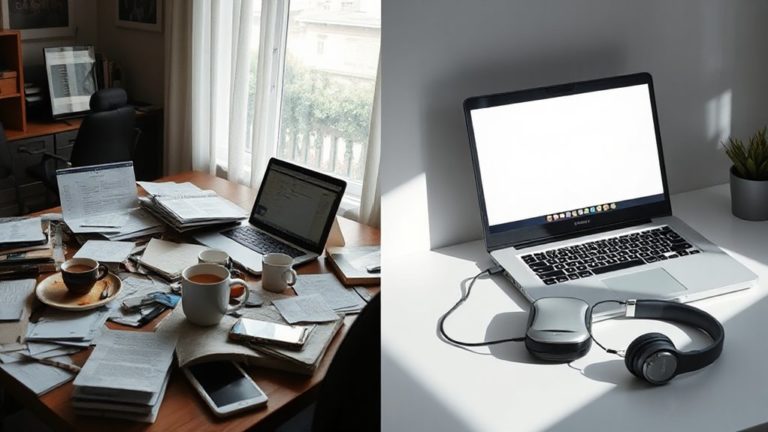
Procrastination operates as a double-edged sword in the creative process, capable of both nurturing breakthrough ideas and suffocating them before they take shape. Research reveals a nuanced relationship between delay and creativity, challenging simplistic assumptions about productivity. Studies involving 536 participants demonstrate that the timing and nature of procrastination determine whether it enhances or undermines creative output.
The relationship between procrastination and creativity follows an inverted U-shape, where moderate delay produces optimal results. When individuals procrastinate minimally, allocating only four percent of their time to delay, they limit the incubation period necessary for original thinking. Conversely, excessive procrastination consuming forty percent of available time leaves insufficient hours for task completion, resulting in lower-quality work. The sweet spot emerges at approximately twenty-five percent delay, where procrastinators’ ideas have been rated twenty-eight percent more creative than those of non-procrastinators.
This phenomenon occurs because moderate procrastination facilitates problem restructuring during incubation. The delay activates remote knowledge beyond conventional task framing, allowing the mind to wander and generate novel connections. Adam Grant’s research confirms that this moderate delay fosters divergent thinking, essential for breakthrough ideas. Experiments conducted across the United States and Korea, including studies with furniture company employees, consistently validate this curvilinear relationship.
However, not all procrastination proves beneficial. Passive procrastination, characterized by avoidance and anxiety, yields no creativity advantages and correlates with declining academic performance, elevated stress, and increased illness. Active procrastination, involving intentional delay after task familiarization, distinguishes itself by incubating creative thinking through personal mastery and enhanced creative self-concept.
The benefits of moderate procrastination intensify under specific conditions. Intrinsic motivation strengthens the positive effects, sustaining creativity even after longer delays. Tasks requiring genuine creativity amplify these advantages, while routine assignments show minimal benefit from procrastination. To harness procrastination productively, individuals should reframe delay with self-compassion rather than shame, deliberately allowing moderate incubation time after understanding task requirements. This strategic approach transforms procrastination from a creativity killer into a catalyst for exceptional ideas. Additional research also shows that biological and emotional factors like impulsivity and goal-management failure can influence whether procrastination becomes harmful or helpful.