In a world that glorifies constant productivity, the simple act of resting has become an uncomfortable luxury rather than a recognized necessity. Yet rest is not frivolous—it is potentially lifesaving. Chronic stress negatively affects nearly every aspect of mental and physical health, making rest an essential form of self-care that decreases tension and prevents individuals from reaching their breaking point. Unfortunately, work-related guilt often prevents people from taking time to decompress, even though this guilt may benefit organizations more than the individuals experiencing it.
Rest is not a luxury to feel guilty about—it is a necessary act of self-preservation in an productivity-obsessed world.
Cultural narratives have incorrectly combined sleep and rest as interchangeable concepts, creating a society of chronically tired, burned-out individuals. Research reveals that discomfort with idleness runs so deep that people often prefer small electric shocks to sitting with their thoughts. This highlights the urgent need for structured approaches to rest that acknowledge its distinct value.
The physical benefits of rest are substantial. During rest periods, the body restores energy, repairs tissues, and supports brain plasticity vital for learning and memory. Regular rest lowers the risk of chronic illnesses such as heart disease, diabetes, and high blood pressure. Stress hormones like cortisol also decrease during restorative rest, helping to reduce inflammation and metabolic strain, which supports cardiovascular health.
Muscles recover from exercise strain, inflammation decreases, and the immune system strengthens. Cellular-level repair prevents burnout and physical exhaustion, while blood pressure decreases and chronic pain finds relief.
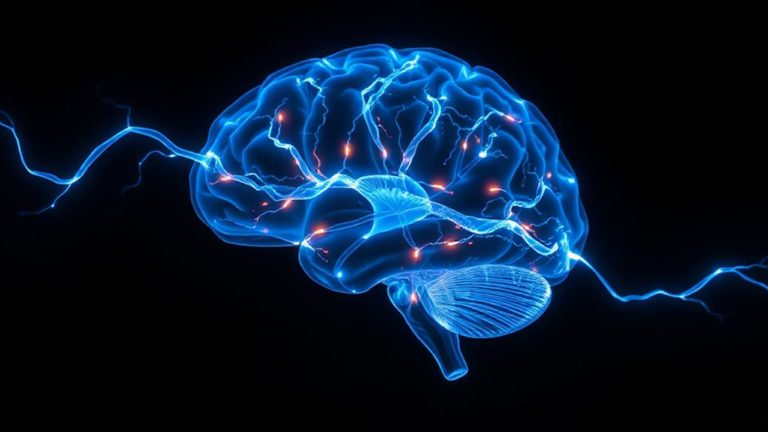
Mentally, rest allows the brain to enter the Default Mode Network, shifting from external focus toward inward-focused thinking and problem-solving. This state increases self-awareness, improves memory recall, enhances empathy, and strengthens moral judgments. Brief breaks improve focus and mental clarity by giving the brain time to process information and consolidate memories. Rest also reduces anxiety, improves mood, and increases overall well-being. Prolonged mental strain without rest can lead to cognitive burnout that impairs problem-solving abilities and creativity.
Beyond physical and mental restoration, rest creates space for emotional renewal. It allows individuals to acknowledge feelings, manage stress, and reconnect with inner needs. The self-awareness developed during rest prevents emotional exhaustion and fosters resilience. Simple acts like journaling reduce cognitive demand, offering a practical way to decompress without requiring complete mental stillness.
Rest even provides spiritual renewal—a sense of peace and purpose beyond daily responsibilities through practices like nature walks or journaling, offering clarity and deeper connection with oneself and the world.