Although kindness might seem like a simple human gesture, it persists across cultures and generations because it creates powerful biological, psychological, and social rewards that benefit both the giver and receiver. This fundamental human behavior survives even during difficult times because it operates as a sophisticated system that promotes individual well-being and collective resilience.
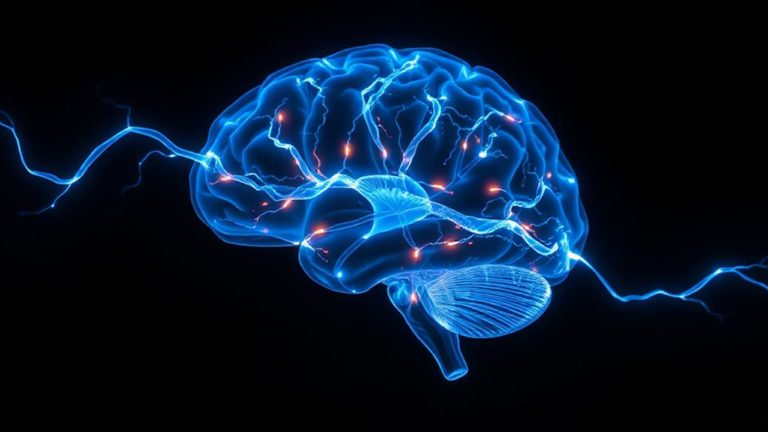
The biological foundations of kindness reveal why this behavior endures across time. When individuals perform acts of kindness, their bodies release endorphins and oxytocin, which function as natural painkillers and create feelings of emotional warmth. These biochemical responses lower cortisol levels, reducing stress and promoting healthier aging. This process also directly affects cognitive function and daily life quality.
Research demonstrates that people who volunteer regularly experience better physical health, increased longevity, and improved immune function, creating a positive feedback loop that reinforces kind behaviors.
Psychological factors further explain kindness’s persistence. People consistently underestimate the positive impact their kind acts have on others, yet both givers and receivers experience significant improvements in mental well-being. Recent studies involving eight experiments have shown that participants performing various acts of kindness, from baking cookies to offering rides to peers, consistently underestimate how much their actions improve recipients’ emotional states.
Surveys indicate that over 60 percent of adults and youth report notable mental health benefits from engaging in or receiving kindness. These improvements include reduced depression, increased self-worth, and enhanced emotional regulation, which help individuals navigate personal stress and adversity more effectively.
Social reinforcement mechanisms ensure kindness spreads throughout communities. Kind acts tend to cascade through social networks, creating broader cooperation that extends beyond the original participants.
This social connectedness reduces loneliness and improves relationship satisfaction, particularly benefiting socially anxious individuals who might otherwise avoid interpersonal engagement.
Even during global crises like the COVID-19 pandemic, benevolent behaviors including donations and volunteering have increased worldwide, demonstrating cultural persistence.
The practice of tracking kind acts amplifies these benefits, increasing subjective happiness even among less happy individuals. Happy individuals demonstrate higher scores on motivation, recognition, and behavioral components of kindness compared to their less happy counterparts. Families and guardians play vital roles in inspiring and reinforcing kindness, especially among adolescents, ensuring its transmission across generations.
This extensive system of rewards explains why kindness not only survives but thrives, serving as a buffer against cruelty and promoting resilience during challenging times when compassionate actions become most essential.