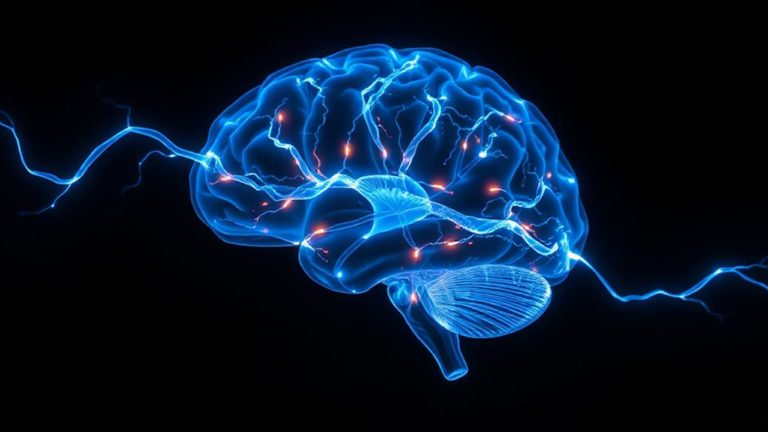
The human brain, despite comprising only 2% of body weight, consumes approximately 20% of the body’s total energy, making it particularly susceptible to fatigue when faced with sustained mental demands. This remarkable organ operates through complex neurochemical processes that can become disrupted during prolonged cognitive effort, leading to the mental exhaustion many experience daily.
Research reveals that mental fatigue stems from specific changes in brain chemistry and structure. During sustained thinking, levels of vital metabolites like glucose and lactate fluctuate considerably, while neurochemical messengers such as glutamate and adenosine accumulate in ways that promote fatigue. Perhaps most importantly, dopamine levels drop during extended mental effort, reducing motivation and the brain’s willingness to pursue rewards that previously seemed worthwhile.
Brain imaging studies show that individuals experiencing high mental fatigue often have smaller caudate and putamen volumes, regions critical for motivation and movement control. This fronto-striatal circuitry dysfunction impairs the brain’s ability to initiate tasks effectively, creating a cycle where starting mentally demanding activities becomes increasingly difficult. Mental fatigue acts as a critical mediator between these structural brain changes and working memory deficits.
The consequences of mental fatigue extend far beyond feeling tired. Performance declines measurably in vigilance, sustained attention, and divided attention tasks. The anterior cingulate cortex, responsible for focus and task performance, functions poorly when mentally fatigued, leading to increased perception of effort even for routine activities.
Modern life presents numerous triggers for mental fatigue. High-pressure occupations, extended working hours, and tasks requiring working memory, flexible thinking, and self-control all contribute to fatigue buildup. Even seemingly benign activities like smartphone use for thirty minutes or longer, particularly social networking, can induce notable mental exhaustion.
Understanding these mechanisms offers hope for better management. Mental fatigue often results from prolonged use of executive functions rather than thinking itself being inherently draining. By recognizing when cognitive demands exceed capacity and implementing strategic breaks, individuals can preserve mental energy more effectively. Sleep serves as a crucial nightly maintenance system that clears metabolic debris and resets brain circuits to restore optimal cognitive function.
The key lies in working with the brain’s natural rhythms rather than against them, allowing for recovery periods that restore neurochemical balance and maintain ideal cognitive performance throughout demanding days.