
Organizations can significantly boost employee productivity through five key strategies: fostering engagement through meaningful work and recognition, implementing flexible work arrangements like hybrid schedules that reduce turnover by 33%, integrating AI and automation tools that save employees 3.6 hours weekly, establishing clear work-life boundaries since overwork reduces productivity by 20%, and investing in extensive training programs. Companies prioritizing these approaches see measurable improvements in output, retention, and overall performance. The following detailed guide explores each strategy in detail.
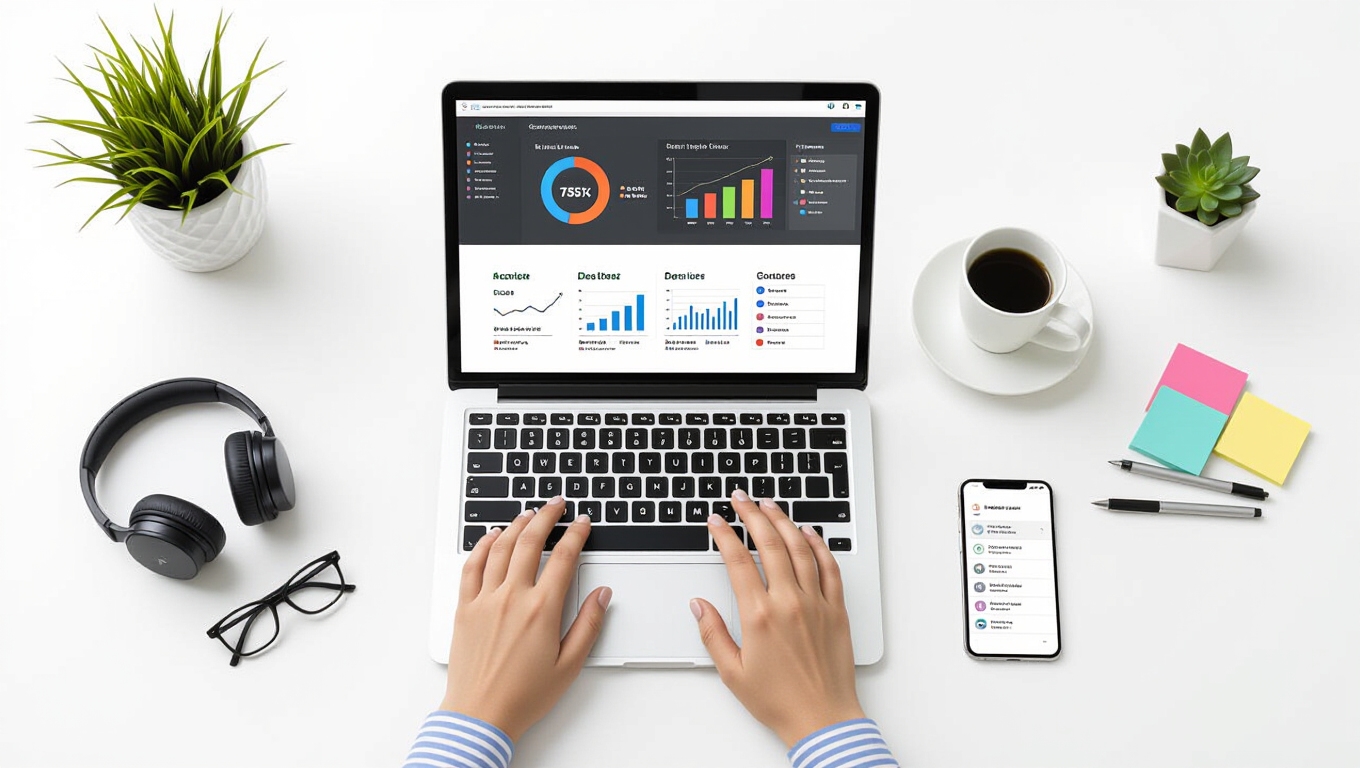
While employee productivity remains a critical challenge for organizations worldwide, the path to meaningful improvement has become increasingly clear through recent workplace research and evolving business practices. With only 21% of workers globally engaged at work in 2024, companies face an unprecedented opportunity to access substantial gains through strategic workplace improvements.
Strategic workplace improvements present an unprecedented opportunity for companies to unlock substantial productivity gains from their largely disengaged workforce.
The foundation of enhanced productivity begins with employee engagement, which directly correlates with measurable business outcomes. Engaged business units demonstrate 78% less absenteeism and 14% higher productivity compared to their disengaged counterparts. Organizations that prioritize engagement could contribute to adding $9.6 trillion in annual productivity to the global economy, representing a remarkable 9% increase in global GDP.
Modern work arrangements play a vital role in productivity optimization. Remote-only workers exhibit the highest productivity levels, gaining 29 minutes of extra productive time daily compared to hybrid and in-office workers. Meanwhile, hybrid workers, particularly those working from home two days weekly, show 33% lower turnover rates and report considerably better work-life balance.
Technology integration presents another powerful lever for improvement. Artificial intelligence can boost productivity by nearly 14%, with 77% of employees acknowledging that automating routine tasks enhances their output. Knowledge workers save an average of 3.6 hours weekly through automation, while 75% report that AI helps them save time and maintain better focus.
Establishing proper work boundaries proves equally important for sustained productivity gains. Workers who regularly take breaks demonstrate 13% higher productivity than those who skip breaks entirely. Conversely, employees who feel obligated to work after standard hours register 20% lower productivity scores, highlighting the importance of clear work-life separation. Additionally, checking communication channels causes over 23 minutes to regain focus on primary tasks. Creating comfortable, organized workspaces further reduces distractions and enables employees to maintain better concentration throughout their workday.
Training and skill development represent the final indispensable component. With 50% of employees feeling inadequately trained on available workplace technology, organizations must invest in extensive skill development programs. The most productive workers are 242% more likely to use AI effectively, indicating noteworthy opportunities for improvement through targeted training initiatives.
Frequently Asked Questions
What Is the Ideal Work-From-Home to Office Ratio for Maximum Productivity?
Research indicates the ideal work-from-home to office ratio involves 2-3 days in the office with remaining days remote. This hybrid arrangement maximizes productivity benefits while maintaining collaboration and job security.
Hybrid workforces demonstrate approximately 5% higher productivity than fully remote or in-person models. The optimal ratio varies by industry and task type, but most employees prefer this balanced approach for sustained performance.
How Do You Measure Employee Productivity Without Micromanaging?
Organizations can measure employee productivity effectively by tracking task completion rates, implementing planned-to-done ratios, and setting clear goal-based objectives with regular progress reviews.
Collecting 360-degree feedback and encouraging self-assessment creates balanced evaluation methods.
Technology solutions automatically gather activity data while maintaining employee autonomy.
These approaches focus on output rather than surveillance, fostering trust while providing meaningful productivity insights for continuous improvement.
Should Companies Invest in Productivity Software or Focus on Employee Wellness Programs?
Companies achieve ideal results by implementing both productivity software and employee wellness programs strategically. While 68% of managers report software benefits, 72% of employees disagree, suggesting careful selection matters.
Employee recognition programs deliver proven results, boosting productivity by 31% and reducing turnover by 40%. Smart organizations invest in collaboration tools like Slack while prioritizing recognition, clear role definitions, and regular feedback to create extensive productivity enhancement.
How Long Does It Typically Take to See Productivity Improvements After Implementation?
Productivity improvements typically emerge within weeks to months, depending on the specific initiative. Technology implementations show gains within months, with generative AI delivering 66% performance boosts and automation saving 3.6 hours weekly.
Process changes like daily planning yield immediate 1,200% returns, while hybrid work models demonstrate benefits within the first cycle.
However, all-encompassing AI returns and cultural shifts require longer timelines, extending over years for maximum impact.
What Role Does Company Culture Play in Sustaining Long-Term Productivity Gains?
Company culture serves as the foundation for sustaining long-term productivity gains by creating an environment where employees remain engaged and motivated over time.
Strong cultures built on trust, transparency, and meaningful work foster employee loyalty and reduce turnover, preventing productivity losses from constant hiring and training.
When organizations invest in honest leadership, open communication, and values alignment, they create lasting frameworks that continuously drive performance improvements.