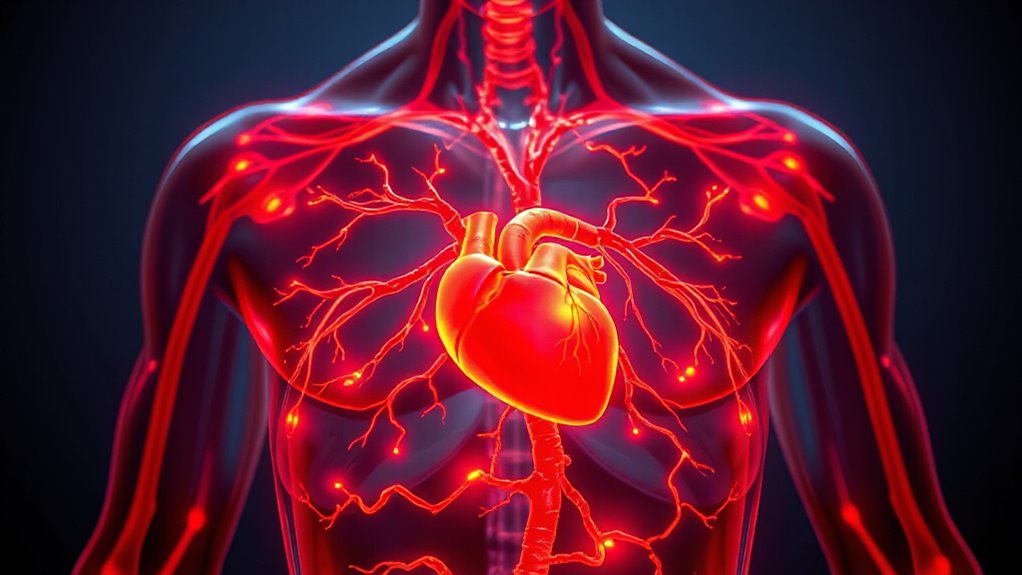
Yes, stress can absolutely make you sick through a well-documented mind-body connection. When experiencing stress, the body releases cortisol and adrenaline, which elevate blood sugar, increase heart rate, and trigger inflammation. This physiological response contributes to serious conditions including type 2 diabetes, hypertension, and heart disease. Chronic stress also weakens immune function, making individuals more susceptible to infections while slowing recovery times. Understanding these mechanisms empowers people to take proactive steps toward better health management and prevention strategies.

While stress has become an unavoidable aspect of modern life, its profound impact on physical and mental health demands serious attention and proactive management. Research reveals that 43% of adults experience adverse health effects directly linked to stress, with an astounding 75% to 90% of all doctor visits associated with stress-related ailments. These statistics underscore the critical importance of understanding how psychological pressure translates into tangible physical illness.
Stress affects 43% of adults physically, driving up to 90% of doctor visits and demanding immediate preventive action.
The physiological mechanisms behind stress-induced illness center on the continuous release of stress hormones, particularly cortisol and adrenaline. When these chemicals flood the body chronically, they disrupt multiple organ systems simultaneously. Elevated cortisol levels increase blood sugar while reducing the body’s ability to regulate metabolic functions, substantially raising the risk of developing type 2 diabetes. Additionally, stress hormones constrict blood vessels and elevate heart rate, creating cardiovascular strain that contributes to hypertension, heart disease, and stroke risk.
The cardiovascular consequences of chronic stress are particularly alarming. Stress-induced changes enhance coronary vasoconstriction, directly increasing myocardial infarction risk. Repeated acute stress episodes accelerate inflammation within coronary arteries, creating a pathway to heart attacks. The impact is so significant that a 30-year-old man under heavy stress may lose nearly three years of life expectancy, while women face over two years of reduced longevity.
Stress also compromises immune function through persistent inflammatory states. This weakening increases susceptibility to infections, slows recovery times, and can exacerbate conditions like asthma, arthritis, and skin disorders. High stress reduces white blood cell effectiveness, impairing the body’s ability to defend against pathogens and respond to vaccines. Modern stressors have notably intensified during the COVID-19 pandemic, creating additional health challenges for affected populations.
The musculoskeletal and neurological effects are equally concerning. Chronic muscle tension leads to persistent pain syndromes, including headaches and back pain. Meanwhile, stress-induced brain changes reduce levels of brain-derived neurotrophic factor, contributing to memory impairment and concentration difficulties. The economic burden of these health impacts is staggering, with stress-related issues costing American industry over $300 billion annually.
Understanding these connections empowers individuals to take preventive action. By recognizing stress symptoms early and implementing effective management strategies, people can protect their health and maintain better quality of life despite modern pressures.
Frequently Asked Questions
Can Stress Cause Autoimmune Diseases to Develop?
Research demonstrates that stress can indeed trigger autoimmune disease development. Studies show up to 80% of patients report unusual emotional stress before disease onset.
Stress activates harmful immune responses, increases autoantibody production, and disrupts protective barriers like intestinal lining.
Large-scale epidemiological data reveals markedly higher autoimmune disease rates among individuals with diagnosed stress-related disorders, establishing a clear biological connection.
How Long Does It Take for Stress to Affect Immunity?
Stress affects immunity remarkably quickly, with immune cell mobilization beginning within two hours of acute stress exposure. Short-term stress initially enhances immune function by redistributing cells to target tissues.
However, sustained stress shifts the system toward suppression within days, marked by increased inflammatory markers and decreased immune cell effectiveness.
After several weeks of chronic stress, individuals experience heightened infection susceptibility and compromised healing responses.
Does Chronic Stress Age You Faster Physically?
Chronic stress markedly accelerates physical aging through multiple biological pathways. Research demonstrates that high stress levels can shorten telomeres by an equivalent of 10 years of additional aging, while disrupting cellular repair mechanisms.
Stress hormones increase oxidative damage, inflammation, and DNA deterioration, creating visible signs like premature skin aging. However, stress management techniques, regular exercise, and healthy lifestyle choices can help counteract these aging effects.
Can Stress Make Vaccines Less Effective?
Stress considerably impacts vaccine effectiveness through multiple pathways. Chronic stress and anxiety reduce antibody production and weaken immune memory formation, leading to diminished protection.
While acute stress may temporarily boost antibody levels by 70%, it simultaneously reduces antibody breadth by 50%, limiting protection against pathogen variants.
Stress hormones like cortisol and adrenaline directly interfere with immune cell function, compromising long-term vaccination benefits.
Are Some People Genetically More Vulnerable to Stress-Related Illness?
Research confirms that genetic variation markedly influences stress vulnerability, with approximately 28% of anxiety and stress-related disorders attributed to hereditary factors.
Specific gene variants, particularly in the PDE4B gene, affect how individuals respond to chronic stress through altered brain chemistry and hormone regulation.
Some people inherit genetic profiles that make them more resilient, while others face increased susceptibility to developing stress-related physical and mental health conditions.
Related Posts