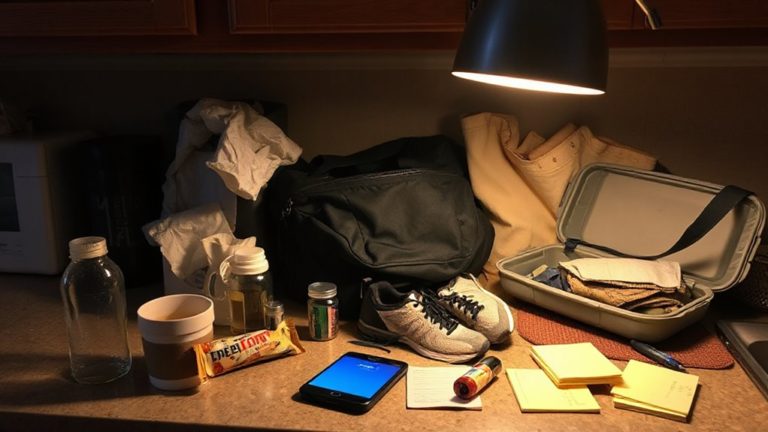
During a panic attack, effective distraction techniques can redirect attention from overwhelming symptoms and restore control. The 5-4-3-2-1 grounding method involves identifying five things you can see, four you can touch, three you can hear, two you can smell, and one you can taste, anchoring awareness in the present moment. Cognitive exercises like counting backward from 100 by sevens occupy the mind constructively, while gentle movement helps metabolize stress hormones and interrupts panic cycles. These strategies demonstrate proven effectiveness in reducing attack intensity and duration, with additional techniques available for all-encompassing management.

When panic attacks strike, the overwhelming surge of physical and emotional symptoms can feel impossible to escape, but learning effective distraction techniques can provide essential relief during these intense episodes. Research consistently demonstrates that strategic distraction methods can markedly reduce both the intensity and duration of panic symptoms by redirecting attention away from distressing physical sensations and catastrophic thoughts.
Strategic distraction techniques can significantly reduce panic attack intensity and duration by redirecting attention from distressing symptoms to present-moment awareness.
The 5-4-3-2-1 grounding technique stands as one of the most widely recommended approaches for managing panic attacks. This method involves systematically identifying five things you can see, four things you can touch, three things you can hear, two things you can smell, and one thing you can taste. By engaging multiple senses simultaneously, this technique anchors attention in the present moment and reduces feelings of detachment or reality distortion that often accompany panic episodes. Many people also find that automation techniques can help create supportive routines that reduce overall anxiety levels.
Cognitive distraction exercises provide another powerful tool for managing acute anxiety. Counting backward from 100 by threes or sevens requires focused mental effort that diverts attention from panic symptoms. Similarly, pattern recognition activities, such as identifying all blue objects in your environment, occupy the mind constructively while reducing panic-focused thinking.
Mindfulness practices offer both immediate and long-term benefits for panic management. Focusing intently on breathing patterns or observing a specific object helps regulate the nervous system response during attacks. Regular meditation practice has been shown to reduce both the frequency and intensity of panic episodes over time, making these techniques valuable for ongoing anxiety management.
Light physical activity can provide surprisingly effective relief during panic attacks. Simple movements like gentle stretching, walking, or even controlled muscle tension and release exercises help metabolize stress hormones while increasing endorphin production. Even brief periods of movement can interrupt the panic cycle and promote physiological calm. Progressive muscle relaxation targets groups of muscles sequentially and promotes overall physical relaxation that counteracts panic symptoms.
Social support plays a vital role in managing panic episodes effectively. Speaking with trusted friends or family members during an attack can provide reassurance and restore a sense of safety. The presence of supportive individuals often reduces both the severity and duration of panic symptoms, making social connection an invaluable component of any thorough distraction strategy for panic attack management. Remember that panic attacks are temporary conditions that typically peak within 10 minutes and will naturally subside.
Frequently Asked Questions
How Long Do Panic Attacks Typically Last?
Panic attacks typically last between 5 and 30 minutes, with symptoms reaching peak intensity within the first 10 minutes before gradually subsiding.
Most attacks resolve completely within an hour, though the overwhelming nature of symptoms can make them feel much longer than they actually are.
Rare cases may extend beyond an hour, but this is exceptional.
Understanding this timeframe helps individuals recognize that relief will come.
Can Panic Attacks Cause Permanent Damage to Your Health?
Panic attacks do not cause permanent damage to one’s health. While these episodes feel intensely frightening, they create no lasting physical harm to the body or organs.
However, frequent panic attacks can lead to chronic stress, which may increase risks for various health conditions over time.
The attacks themselves remain temporary experiences that, despite their severity, do not result in permanent physical damage or long-term health consequences.
What Triggers Panic Attacks in Most People?
Most people experience panic attacks triggered by negative emotional states and distress, which affect 95% of individuals.
Common triggers include interpersonal conflicts, fear of physical symptoms like rapid heartbeat, and high-stress situations such as public speaking or exams.
Environmental factors like crowded spaces, caffeine consumption, and poor sleep also contribute markedly.
Additionally, anticipatory anxiety about future attacks creates a cycle that increases both frequency and severity over time.
Should I See a Doctor After Experiencing My First Panic Attack?
Yes, individuals should consult a healthcare provider after their first panic attack. Medical evaluation helps rule out serious conditions like heart problems that can mimic panic symptoms.
A doctor can provide proper diagnosis, explain the condition, and discuss treatment options including therapy or medication.
Early intervention prevents recurring attacks from interfering with daily life and reduces anxiety about future episodes.
Are There Medications That Can Prevent Panic Attacks From Occurring?
Yes, several medications can effectively prevent panic attacks from occurring. SSRIs like fluoxetine and sertraline serve as first-line treatments, typically showing results within 2-6 weeks with 60-80% response rates.
SNRIs such as venlafaxine are FDA-approved for panic disorder prevention.
While benzodiazepines offer rapid relief, they carry dependence risks.
Healthcare providers can determine the most appropriate preventive medication based on individual needs and circumstances.
Related Posts