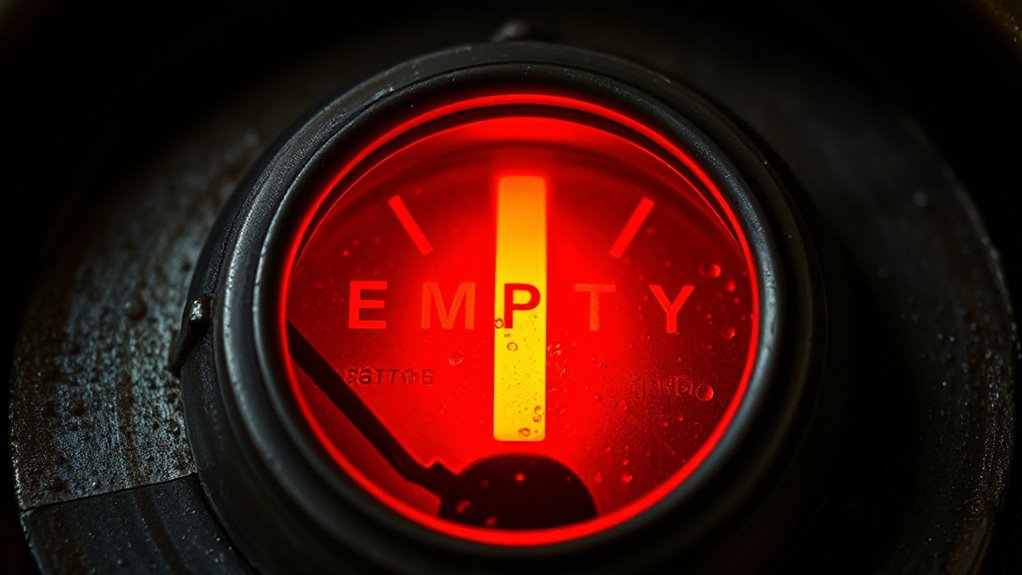
Stress hijacks the body’s energy systems in ways that extend far beyond the mental exhaustion most people recognize. When faced with perceived threats, the hypothalamus signals the pituitary gland to stimulate the adrenal glands, triggering cortisol production. This hormone mobilizes glucose and fatty acids from the liver, providing immediate energy for fight-or-flight responses. Simultaneously, the sympathetic nervous system releases norepinephrine and epinephrine, accelerating heart rate and redirecting blood flow to large muscles while diverting resources away from digestion. Chronic stress also weakens immune defenses, increasing susceptibility to infections and inflammation that further drain energy reserves and overall health immune function.
Stress commandeers your body’s energy reserves, flooding your system with cortisol and adrenaline while redirecting resources from digestion to survival.
During acute stress, these mechanisms prove beneficial. Cortisol inhibits energy storage and promotes gluconeogenesis, elevating blood glucose for brain and muscle use. The body increases thermogenesis in brown adipose tissue, raising locomotor activity and heat production. This temporary metabolic boost allows individuals to respond effectively to immediate challenges.
However, chronic stress transforms these adaptive responses into destructive patterns. Sustained cortisol elevation disrupts daily energy cycles and impairs the feedback mechanisms that normally downregulate stress hormone production. The continuous demand overworks the adrenal glands, leading to grogginess and increased dependence on caffeine. Chronic sympathetic nervous system activation promotes oxidative stress and endothelial dysfunction, while sustained catecholamine release contributes to vascular inflammation.
The metabolic consequences compound over time. Prolonged cortisol suppresses growth hormone, thyroid-stimulating hormone, and reproductive hormones, while slowing blood sugar regulation and altering lipid metabolism. The body depletes glycogen and fat reserves despite maintaining elevated energy expenditure, creating a negative energy balance. This exhaustion stage manifests as burnout, poor concentration, irritability, and weakened immune function. Chronic stress can ultimately lead to various pathologies and life-threatening conditions.
Behavioral patterns intensify this downward spiral. Stress derails discipline, leading to poor nutrition and skipped exercise sessions. The resulting vicious cycle reduces movement, lowers energy further, and fuels additional stress. Elevated cortisol interferes with mood, memory, and cognitive function, making it increasingly difficult to maintain healthy routines. Acceptance of stress as inevitable can obscure warning signs that require attention.
Breaking this cycle requires understanding that persistent fatigue stems from physiological dysregulation, not weakness. Regular exercise reduces stress hormones while boosting endorphins, gradually restoring stamina. Addressing stress through consistent habits allows the body’s energy systems to recalibrate, transforming exhaustion into sustainable essentiality.