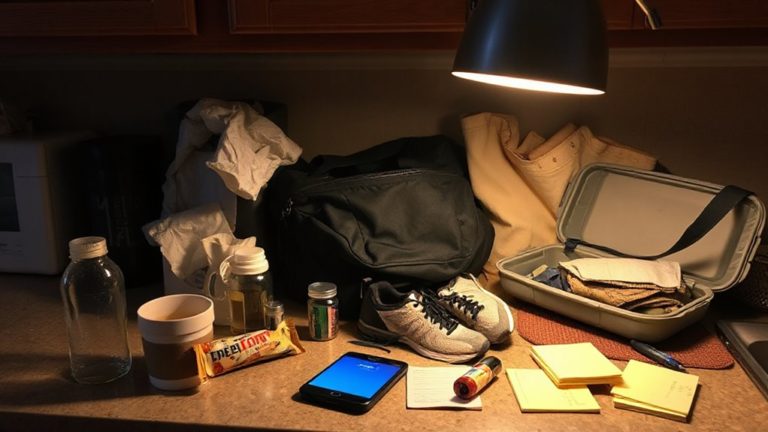
Beneath the glossy veneer of social media success stories and motivational hashtags lies a troubling reality: the relentless pursuit of productivity is leaving workers physically depleted and mentally fragmented. Current research reveals that 77% of individuals experience burnout at their jobs, a phenomenon the World Health Organization now classifies as occupational due to chronic workplace stress. Among medical residents, 50% suffer exhaustion during their careers, while financial professionals face even grimmer statistics at 85%.
Behind the motivational posts and success metrics, burnout has become the occupational crisis of our generation.
The glorification of overwork on social platforms has created unrealistic performance standards, with productivity searches hitting a five-year high in 2020. This digital amplification transforms work into a performance aesthetic, where 80-hour workweeks and pre-dawn routines become badges of honor rather than warning signs. Workers now contribute an average of 8.5 hours of unpaid overtime weekly, driven by toxic norms that equate self-worth with output.
However, the productivity paradox reveals a critical flaw in hustle culture’s logic. Beyond 50 hours weekly, performance actually declines, and managers cannot distinguish between employees working 60 versus 80 hours. This diminishing return stems from cognitive depletion, which occurs when mental resources become overtaxed, impairing decision-making, working memory, and self-control. Meta-reviews across workplace studies confirm that depression and anxiety markedly decrease productivity through absenteeism and presenteeism.
The physical toll proves equally severe. Those working beyond 55 hours weekly face a 33% greater stroke risk and 13% higher likelihood of heart attack compared to standard hour workers. Prolonged working hours contribute to impaired sleep, hindered memory, depression, and cardiovascular damage. Research from the Finnish Institute of Occupational Health documents these myriad health problems thoroughly.
Burnout manifests through emotional exhaustion, reduced personal efficacy, and depersonalization from work. The “all or nothing” thinking that hustle culture promotes fuels anxiety, perfectionism, and rumination, creating psychological distress that outstrips individual capacity. While self-compassion may buffer some mental health risks, it cannot fully cancel out chronic stress. The path forward requires recognizing that sustainable achievement depends on balance, not relentless grinding. Spending just ten minutes daily planning can recover significant productive time and improve outcomes through SMART goals.
Related Posts