The Sleep Stages Evening Screens Disrupt Most
Each night, the body moves through a series of sleep stages that serve distinct and critical functions, and evening screen use quietly undermines several of the most important ones.
Blue light suppresses melatonin production, directly reducing time spent in REM sleep, the stage responsible for memory consolidation and emotional regulation. Poor sleep quality is also strongly linked to higher rates of depression and anxiety.
Blue light blocks melatonin, stealing the REM sleep your brain needs to process memories and emotions.
Slow-wave deep sleep, essential for physical recovery, also decreases with regular evening device exposure.
Adolescents experience these disruptions more severely than adults.
Recognizing which stages screens damage most gives people a concrete reason to establish earlier cutoffs, turning that awareness into a genuine, health-protecting behavioral change. Cumulative nightly screen exposure elevates the risk for sleep disturbances that extend well beyond a single poor night.
Engaging content from videos, games, and social media increases mental activity and alertness at bedtime, making it harder to wind down even when physical tiredness is present.
What Blue Light Actually Does to Your Brain at Night
What actually happens inside the brain when a screen glows in a darkened room at night is more disruptive than most people realize.
Blue light suppresses melatonin production twice as long as green light, delaying sleep onset notably. It activates photosensitive ganglion cells containing melanopsin, which signal the suprachiasmatic nucleus that daytime conditions still exist. This false signal shifts circadian rhythms by up to three hours.
Beyond hormones, blue light stimulates neural pathways that elevate alertness, body temperature, and heart rate. Nighttime exposure also increases synaptic plasticity in the basolateral amygdala, contributing to heightened anxiety and mood disruption. Over time, repeated disruption contributes to chronic stress by keeping the body’s stress response activated.
Understanding this biology makes reducing evening screen use genuinely worthwhile. Chronic circadian misalignment from repeated nighttime exposure has been linked to metabolic disorders and mental health conditions including depression. The glymphatic system, which clears waste from the central nervous system during sleep, is also impaired when blue light exposure disrupts the rest needed for this essential process.
The Worst Phone Habits to Drop Before Bed
Knowing what blue light does to the brain creates a compelling reason to examine the specific behaviors that make nighttime phone use so damaging.
Certain habits consistently disrupt sleep more than others:
- Doomscrolling raises stress and delays REM sleep
- Binge-watching keeps 91% of Americans awake longer than intended
- Checking work emails sustains mental engagement at the worst possible time
- Playing strategy or adventure games demands high cognitive effort near bedtime
Dropping these habits gradually produces measurable improvements. Active phone use is more disruptive to sleep than passive use such as listening to music or watching non-distressing content.
Even reducing one behavior creates noticeable gains, since smartphone use in bed increases sleep onset time by 80%. Research involving roughly 40,000 university students found that each additional hour of screen time after going to bed was linked to 59% higher odds of insomnia symptoms. Elevated stress from nighttime phone use can also raise blood pressure via acute stress responses.
How Much Screen-Free Time You Actually Need
Dropping phone use at least one hour before bed gives the brain enough time to begin producing melatonin and shift away from high mental stimulation. For most healthy adults, one hour serves as the functional minimum.
However, those experiencing insomnia, racing thoughts, or heavy gaming sessions benefit more from 90 minutes to two hours of screen-free time. Research shows every ten minutes of interactive screen use reduces sleep by roughly nine minutes. Gaming compounds that loss further. Studies also find that using screens once in bed is more strongly linked to shorter sleep than screen use earlier in the pre-bed window.
Choosing calming, screen-free activities during that final window gives the mind a genuine opportunity to prepare for deeper, more restorative sleep. When screens are used during this window, brightness and timing matter more than blue light alone in determining how much sleep is disrupted. The brain’s ability to filter distractions weakens with late-night stimulation, so reducing evening device use helps preserve prefrontal control over attention.
What to Do Instead of Scrolling Before Bed
Replacing the scrolling habit requires more than willpower alone — it requires having genuinely appealing alternatives ready to fill that evening window. Several options naturally encourage relaxation without stimulating the brain further.
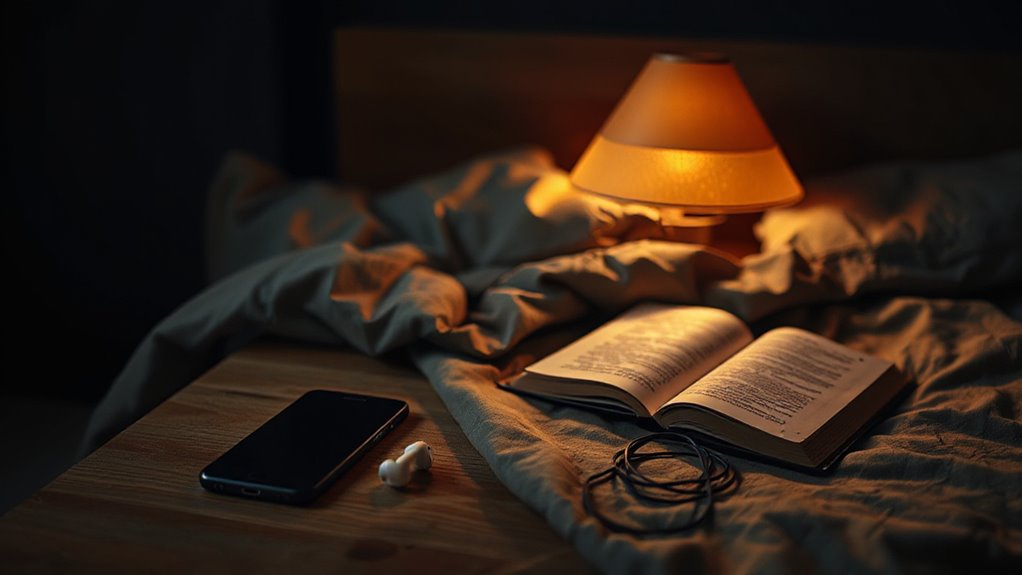
- Reading a low-stakes book improves sleep quality for 42 percent of readers
- Calming music lowers cortisol and releases dopamine naturally
- Journaling reduces bedtime worrying and increases overall sleep time
- Jigsaw puzzles or knitting provide rhythmic, screen-free mental engagement
Physical books, soothing playlists, and simple mindfulness practices like deep breathing give the mind permission to slow down, making sleep arrive more effortlessly. Writing down three things to be grateful for each evening is a simple daily gratitude practice that helps settle an overactive mind before sleep. The rhythmic shuffling and dealing of cards during a game of solitaire creates a soothing, meditative experience that naturally draws the mind away from screens and toward restful calm. A short, 15-minute mindfulness meditation session can further quiet mental chatter and improve the chance of falling asleep quickly.
Related Posts