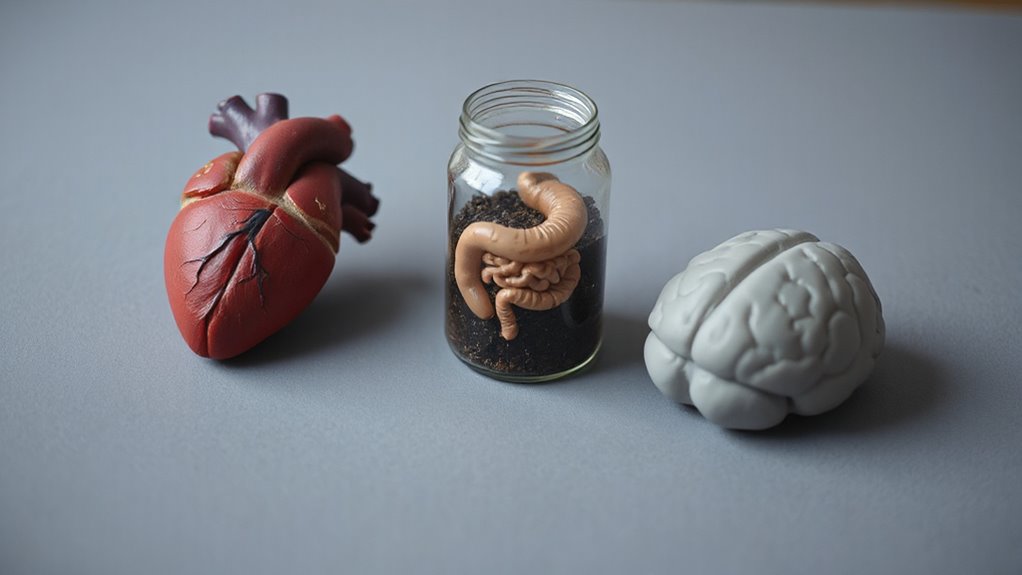
How Chronic Stress Physically Breaks Down Your Body
Chronic stress does more than create mental unease — it physically reshapes the body in ways that accumulate quietly over time.
Chronic stress doesn’t just weigh on the mind — it quietly rewires the body from the inside out.
When the stress response stays activated, it repeatedly engages the autonomic nervous system, creating sustained wear-and-tear across multiple organs and tissues.
This ongoing strain does not resolve on its own. Instead, it compounds gradually, affecting digestion, immune function, brain structure, and overall health. Chronic stress elevates cortisol and adrenaline, contributing to inflammation and increasing risks like heart disease.
Sleep deteriorates, daily functioning suffers, and the body loses its ability to fully recover.
Recognizing this physical dimension of stress is an important first step toward taking meaningful action before long-term damage becomes harder to reverse. Prolonged exposure to elevated stress hormones has been shown to cause hippocampal atrophy, directly impairing memory and cognitive function over time.
Chronic stress also drives the overproduction of inflammatory leukocytes through hematopoietic stem cell proliferation, increasing the risk of cardiovascular disease by promoting the buildup of fragile, protease-rich plaques in arterial walls.
How Chronic Stress Damages Your Heart Over Time
Among the body’s most vulnerable targets, the heart bears a significant share of chronic stress‘s cumulative toll.
Persistent stress elevates blood pressure, heart rate, and blood sugar, straining the cardiovascular system over time.
Stress hormones trigger inflammatory responses that accelerate plaque buildup inside arteries, raising the risk of coronary artery disease, heart attack, and stroke.
Reduced blood flow can occur even without complete blockages, while destabilized plaque increases the likelihood of sudden cardiac events.
In severe cases, acute stress can cause takotsubo syndrome, a temporary but serious weakening of heart muscle.
Recognizing these risks motivates earlier, more consistent stress management. Prolonged elevations of cortisol can also raise cholesterol and triglycerides, further compounding cardiovascular risk over time.
A 2017 study published in The Lancet linked chronic stress with cardiovascular disease episodes by examining brain activity involved with fear and stress, alongside bone marrow activity and artery inflammation.
Chronic stress also contributes to allostatic load, which accumulates damage across multiple organ systems and worsens long-term heart health.
How Chronic Stress Disrupts Your Gut and Digestion
While the heart often receives the most attention when discussing stress-related health risks, the digestive system suffers its own set of serious consequences.
Chronic stress activates the fight-or-flight response, redirecting resources away from digestion and disrupting normal gut function through the gut-brain axis. Prolonged stress can also weaken immune surveillance in the gut, making inflammatory responses more likely and contributing to symptom persistence immune function.
- Stress hormones delay stomach emptying, causing indigestion and heartburn
- Accelerated intestinal transit contributes to diarrhea and urgent bowel movements
- Inflammation increases gut sensitivity, amplifying pain and discomfort
- Chronic stress disrupts gut microbial balance, compounding digestive instability
Mindfulness, regular physical activity, and relaxation therapies offer practical, evidence-supported strategies for restoring digestive health. The enteric nervous system contains over 100 million neurons lining the gastrointestinal tract, forming a vast neural network that directly communicates with the brain to regulate digestive function. The gut and brain communicate constantly through the vagus nerve, meaning unresolved stress can keep the body locked in a cycle that makes both digestive and emotional symptoms harder to resolve.
What Chronic Stress Does to Your Brain, Mood, and Memory
Few organs bear the burden of prolonged stress more visibly than the brain.
Chronic stress reduces hippocampal volume, impairing memory formation and spatial learning.
Chronic stress quietly erodes the hippocampus, stealing the brain’s ability to form memories and navigate the world.
The amygdala becomes overactive, heightening fear responses and emotional reactivity, while the prefrontal cortex weakens, diminishing judgment and self-control.
These structural shifts contribute to working-memory problems, difficulty consolidating new information, and faster cognitive decline in older adults.
Mood suffers as well, with anxiety, irritability, and depressive symptoms becoming more persistent. Prolonged stress exposure reduces serotonin and dopamine levels, directly undermining emotional stability and increasing vulnerability to depression.
Research also links chronic stress to neuroinflammation and elevated Alzheimer’s risk. A prospective study following older adults over up to three years found that both subjective and objective chronic stress measures predicted faster memory decline in cognitively normal and mildly impaired participants.
Prioritizing consistent sleep and stress management supports meaningful brain recovery and long-term cognitive resilience. Evidence shows that combining therapy and lifestyle strategies enhances recovery and reduces anxiety symptoms.
When Chronic Stress Symptoms Mean It’s Time to Act
Recognizing when stress has crossed from a temporary burden into a chronic health threat is one of the most important steps a person can take for their long-term well-being.
When symptoms persist for weeks despite self-care efforts, professional evaluation becomes necessary. Regular physical activity and sleep hygiene can help, but persistent signs may reflect chronic stress physiology requiring clinical assessment.
- Fatigue, insomnia, and frequent illness signal physical wear
- Irritability, anxiety, and difficulty concentrating suggest mental strain
- Increased alcohol use or self-isolation indicates behavioral escalation
- Suicidal thoughts or overwhelming distress require immediate help
Acting early prevents long-term damage.
Seeking professional support is not a sign of weakness but a practical step toward recovery. One in five Australians aged 16 to 34 report high or very high levels of stress, highlighting how widespread the need for professional support truly is. A primary care provider can offer advice, prescribe medicine, or refer to a mental health professional to help manage chronic stress before it leads to more serious health complications.
Related Posts