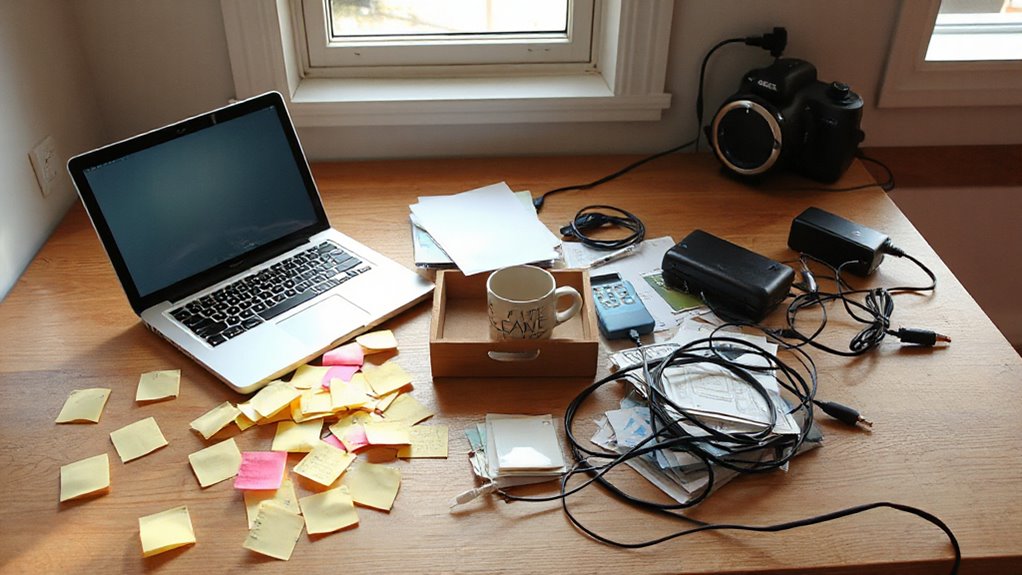
What Is Decision Fatigue and Why It Drains You
Although the term may sound clinical, decision fatigue is a straightforward psychological phenomenon that most people encounter without recognizing it by name. It describes the decline in decision quality that occurs after a long session of making choices.
Rooted in research on self-control and mental exhaustion, it reflects how cognitive resources feel increasingly depleted with each successive decision. Executive functioning, which supports planning, judgment, and self-control, becomes noticeably strained. The result is not laziness or indifference but a measurable reduction in mental capacity, making even ordinary choices feel disproportionately difficult as the day progresses. The term itself was popularised by John Tierney, a journalist who brought widespread attention to the concept.
When mental resources run low, people may respond by avoiding decisions altogether, rushing through them impulsively, or falling into analysis paralysis, unable to commit without the sense that more time is needed to weigh the available options. Research shows factors like mental fatigue and workplace stress significantly worsen this effect and slow task completion.
Why Small Daily Choices Drive Decision Fatigue
While major life decisions tend to attract the most concern, it is the quiet accumulation of small daily choices that most consistently drains cognitive resources.
Selecting meals, choosing outfits, managing notifications, and handling minor errands each seem trivial alone. Buffer time in your schedule for interruptions helps preserve decision capacity.
However, thousands of these micro-decisions compound throughout the day, steadily taxing attention and self-control.
The brain does not distinguish importance when allocating mental energy; repeated choosing depletes it regardless.
Choice overload can emerge even from routine decisions when too many options exist.
Recognizing this pattern is the first practical step toward protecting mental clarity before fatigue takes hold. Worry and doubt triggered by even minor decisions can amplify the perceived stakes, turning ordinary choices into sources of unexpected mental strain.
Research by Roy Baumeister and colleagues introduced the concept of ego depletion, demonstrating that willpower and decision-making draw from the same limited fuel tank, meaning every choice made throughout the day quietly reduces the mental resources available for the next.
How Decision Fatigue Accumulates Across Your Day
Decision fatigue does not arrive all at once; it builds gradually, shaped by the timing, frequency, and order of choices made throughout the day. Morning decisions tend to be sharper, more thoughtful, and carefully evaluated. Brain systems that filter distractions help preserve decision resources early on by suppressing irrelevant inputs, supporting clearer choices sensory filtering.
Decision fatigue builds gradually, shaped by timing, frequency, and the order of choices made throughout the day.
As choices accumulate, mental reserves deplete, pushing the brain toward defaults or avoidance.
- Morning offers peak decision clarity
- Small choices compound cognitive drain steadily
- Later decisions become increasingly superficial
- High workload accelerates mental depletion
- Breaks meaningfully slow fatigue accumulation
Recognizing this pattern empowers people to schedule demanding decisions earlier, protect mental energy deliberately, and structure daily routines around how cognition actually performs under sustained pressure. The concept traces back to Roy Baumeister’s research, which established that self-control and decision-making draw from the same finite mental resource, much like a muscle that weakens after prolonged exertion. By the end of a typical day, the average person has made over 35,000 decisions, each drawing from a finite reserve of mental energy.
Signs Decision Fatigue Is Already Affecting You
Knowing that decision fatigue builds across the day is useful, but recognizing when it has already taken hold is equally important.
Common signs include feeling overwhelmed by simple choices, such as what to eat or wear, and noticing that even minor decisions feel unusually draining.
Procrastination often follows, as depleted mental energy pushes people toward avoidance rather than action.
Impulsive choices may replace careful thinking, and irritability can surface more easily than usual.
Difficulty concentrating, persistent mental exhaustion, and disrupted sleep may also appear. Regular practices like mindfulness meditation can help restore attentional resources when these symptoms emerge.
Reduced confidence in judgment is another indicator, as ongoing mental energy depletion can quietly erode a person’s sense of steadiness and focus throughout the day.
Identifying these signals early allows people to intervene before judgment and daily functioning deteriorate further. The average person makes more than 35,000 decisions each day, meaning the mental load accumulating behind these symptoms is far greater than most people realize.
Simple Ways to Reduce Decision Fatigue Daily
Although decision fatigue builds gradually and often goes unnoticed until judgment has already slipped, its effects are manageable with deliberate, practical strategies.
Decision fatigue creeps in quietly, reshaping your judgment long before you realize it’s already happened.
Small structural changes protect mental energy throughout the day and preserve sharper thinking for decisions that truly matter.
- Standardize meals, outfits, and morning routines to eliminate low-value daily choices
- Handle critical decisions early, when mental clarity is strongest
- Batch similar tasks like errands and emails to reduce constant switching
- Delegate routine choices to trusted family members or colleagues
- Schedule short recovery breaks using walks, breathing, or quiet downtime
Setting if/then rules for recurring situations removes the need to evaluate the same types of decisions repeatedly, freeing up mental bandwidth for choices that genuinely require careful thought. Clear communication protocols, such as asynchronous communication, also help protect decision-making energy by reducing interruptive messages and preserving focus.