




Why Your Focus Fades at Your Desk Before You Notice
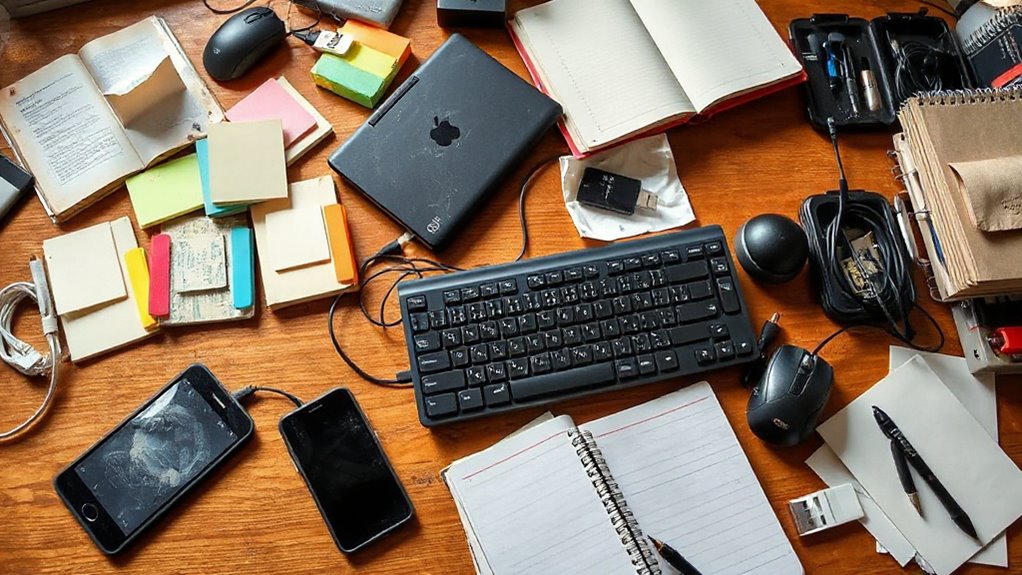
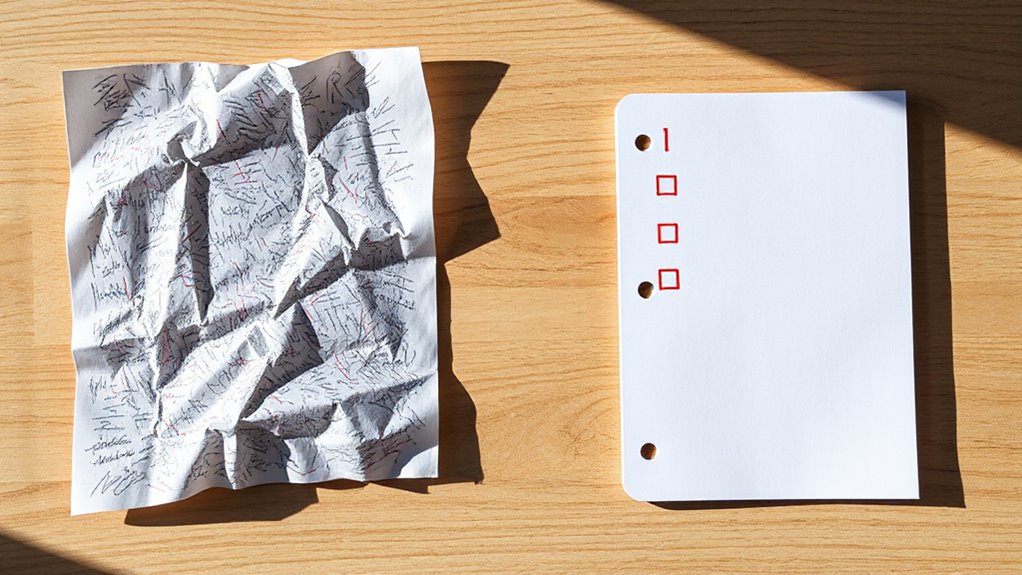
Focus at the desk rarely collapses all at once.
Research shows workers shift away from a primary task every three to four minutes on average, often without realizing the drift has begun.
Workers drift from their primary task every three to four minutes, often before they notice it has happened.
Attention erodes gradually through small mental detours, and the mind frequently switches before conscious awareness catches up.
This makes distraction feel sudden when it actually builds quietly.
Each unnoticed shift adds a restart cost, requiring effort to reorient before meaningful progress resumes.
Recognizing that focus fades in short, invisible cycles is the first step toward intervening early, before performance quietly drops and concentration becomes harder to rebuild. When access issues arise during research, contacting support at research-collection@library.ethz.ch can help resolve persistent blocks before productivity stalls further.
The brain’s lateral prefrontal cortex actively suppresses irrelevant inputs to help maintain focus even as attention fluctuates.
How 10 Push-Ups Interrupt the Distraction Loop in Your Brain
Distraction rarely announces itself, but the brain does leave a detectable trail when attention begins to slip.
Ten push-ups create a brief physical-arousal shift that activates the prefrontal cortex, the region responsible for filtering distractions and restoring goal-directed focus.
Moderate effort, even in short bursts, has been linked to stronger inhibitory control, meaning the brain becomes better at suppressing irrelevant impulses.
Post-exercise, attended information receives clearer processing while background noise fades.
This reset window can last up to thirty minutes.
The result is not motivation alone but a measurable neurological shift that pulls attention back toward the task.
Research tracking neuroelectric brain activity found that P3 amplitude improved in 86 percent of studies examining executive function after acute exercise, reflecting faster and more efficient cognitive processing.
Among the three core domains of executive function, inhibitory control showed the most consistent improvements, with findings suggesting that moderate intensity exercise produced the most reliable benefits across the reviewed literature.
Short bouts of activity can also boost levels of BDNF and neurotransmitters that support cognitive clarity and mood.
When Should You Stop and Do 10 Push-Ups?
Knowing when to act on that neurological reset matters as much as understanding why it works.
Research supports stopping for brief movement at these key moments:
- Every 20–30 minutes of uninterrupted desk work
- When attention drifts and refocusing repeatedly fails
- When neck, shoulders, back, or hips begin tightening
- When mental fatigue starts compressing performance quality
Each signal marks a genuine physiological or cognitive shift worth addressing immediately.
A 10-push-up break works best as an early intervention, not a last resort.
Catching these cues before they compound helps maintain steady energy, sharper focus, and better posture throughout the entire workday. Studies show that physical exercise breaks are specifically linked to decreased fatigue and increased positive emotions during the workday. In the UK alone, 469,000 workers suffered musculoskeletal injuries acquired because of their jobs in 2017–2018, highlighting how physical strain at a desk accumulates long before pain is felt. Regular moderate exercise also releases mood-boosting endorphins that improve mental resilience.
How to Do a Push-Up Focus Reset Without Leaving Your Desk
The good news is that a focus reset does not require leaving the workstation or carving out significant time from the day.
A focus reset takes no extra time and never requires stepping away from your desk.
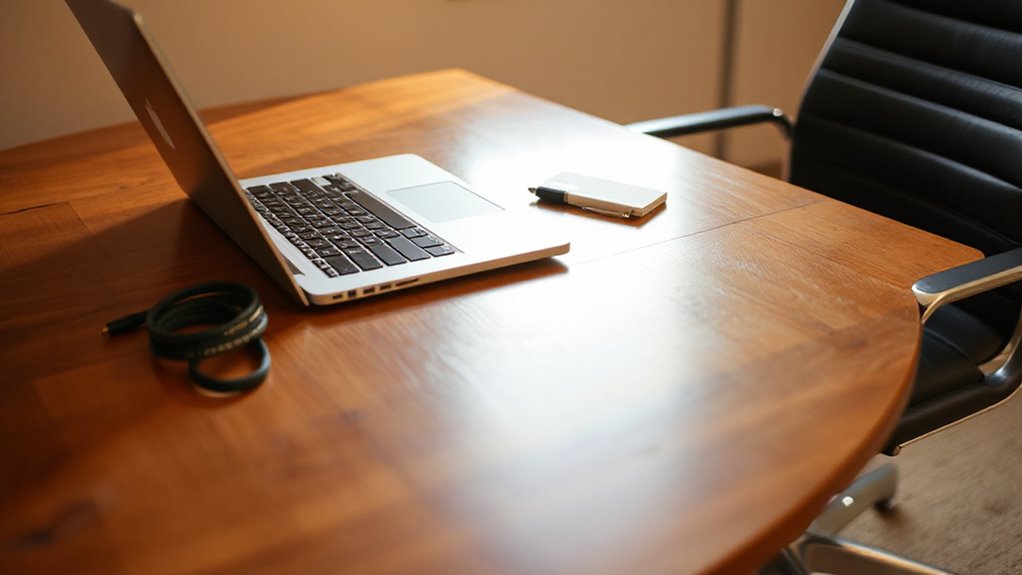
A sturdy desk becomes the only equipment needed.
Hands go shoulder-width apart on the edge, feet step back until the body forms a straight line, and the core stays engaged throughout.
Lowering the chest toward the desk until the elbows reach roughly 90 degrees, then pressing back with control, completes one rep.
Ten slow, deliberate reps take under two minutes.
Steady breathing, neutral spine alignment, and controlled movement keep the set restorative rather than exhausting. Short active breaks like this can also help manage stress and reduce symptoms of anxiety during the workday.
Research has linked a greater number of push-ups to a lower risk of cardiovascular disease. Adding brief movement breaks can also lower inflammation that contributes to stress-related illnesses.
Can’t Do Push-Ups at Work? Try These Desk-Friendly Swaps
Desk push-ups work well for many office settings, but not every workspace offers the right setup, and not every person is ready to perform even a modified push-up during the workday. These four swaps deliver a similar reset without requiring floor space or privacy.
- Wall push-ups reduce load while still activating the upper body.
- Seated torso twists loosen the spine and restore alertness quickly.
- Calf raises beside the desk elevate heart rate with minimal disruption.
- Deep breathing breaks calm mental clutter and sharpen focus within minutes.
Each option remains practical, discreet, and genuinely effective. For an added layer of calm, try pairing any of these movements with the 4-7-8 breathing technique, which involves inhaling for four counts, holding for seven, and exhaling slowly for eight. Health and Safety Executive guidance recommends leaving your desk every 30 minutes, making any one of these swaps a natural and timely opportunity to reset both body and mind. Regular short movement breaks also support improved attention and cognitive performance.