Why Sunday Night Panic About Work Feels So Overwhelming
For many professionals, Sunday night arrives with a familiar weight — a creeping sense of dread that signals the weekend’s end and the workweek’s return.
This reaction, known as anticipatory anxiety, occurs when the brain races ahead to imagine worst-case scenarios before Monday even begins.
The shift from unstructured weekend freedom to rigid workplace demands creates genuine cognitive friction.
Without a gradual passage, the mind struggles to separate personal time from professional obligations.
Uncertainty about deadlines and priorities intensifies this spiral, leaving many feeling overwhelmed before the week starts.
Understanding this pattern is the first step toward addressing it effectively. In fact, 75% of workers report experiencing this pre-week anxiety on a regular basis.
This dread typically begins around 4 PM on Sunday and tends to intensify by evening, overtaking what remains of the weekend before the workweek has even started.
Breaking tasks into smaller, manageable chunks and using time management techniques can reduce that overwhelming feeling and improve focus.
Recognize When Sunday Anxiety Is Actually a Sign of a Bigger Problem
The occasional Sunday evening unease is a normal response to the demands of professional life, but persistent dread that surfaces week after week deserves closer examination.
When anxiety affects four or more Sundays per month, lasts several hours, or spreads into other days, it signals something beyond routine stress.
Physical and behavioral signs reinforce this distinction.
Panic attacks, sleep disturbances, difficulty concentrating, and a strong urge to avoid Monday altogether suggest significant distress.
If these symptoms persist consistently for six months or longer, the problem likely reflects genuine job-related issues rather than ordinary anxiety, and professional guidance becomes a worthwhile next step. More than 1 billion people worldwide experience mental health conditions, highlighting how common and significant these problems can be.
Research shows that heart attacks increase significantly on Sundays and Mondays compared to any other day of the week, underscoring how seriously the body can respond to work-related stress.
When dread begins on Saturday and never fully leaves, it can point toward burnout or workplace toxicity rather than the kind of garden-variety stress that resolves on its own.
Set Sunday Boundaries That Stop Work From Creeping In
Once the workweek ends, protecting Sunday from professional obligations requires more than good intentions — it demands deliberate structure.
Establishing a firm cutoff time, such as no work after 6 p.m. Sunday until 8 a.m. Monday, transforms vague intentions into enforceable rules.
Disabling work notifications, stowing laptops, and using blocking tools like Brick prevents digital intrusions from eroding rest.
Communicating boundaries clearly to colleagues and clients reduces weekend interruptions noticeably.
Scheduling enjoyable competing activities, from hiking to cooking to social engagements, fills Sunday with purpose. Research shows that employees who mentally detach in the evening return to work the following day with less stress and greater focus.
Setting a Slack or Teams status to show unavailability on weekends reinforces that boundaries are not flexible and reduces the likelihood of colleagues expecting immediate responses.
When boundaries are defined and defended consistently, Sunday anxiety loses much of its grip. Implementing standardized communication protocols with colleagues helps ensure those boundaries are respected.
Close the Unfinished Tasks That Are Eating at You All Weekend
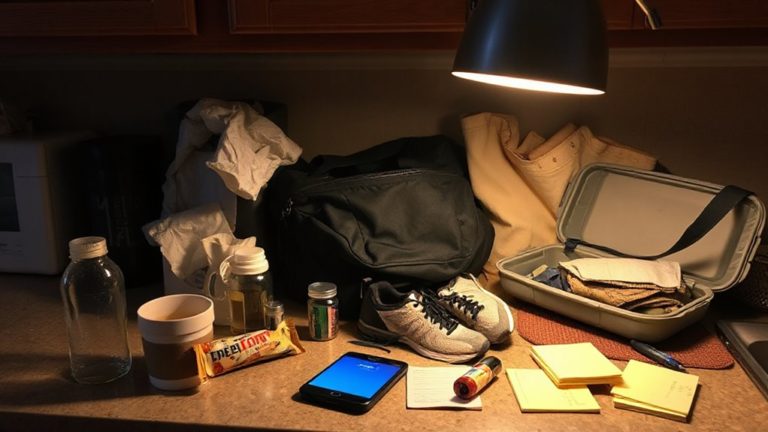
Unfinished tasks have a quiet but persistent way of hijacking the weekend, replaying themselves in the background long after Friday’s final hour.
The remedy begins with a simple capture ritual: writing down every floating task, checking email drafts, reviewing open browser tabs, and scanning notebooks or voice memos. Regular capture and clarification keep your system trustworthy and reduce Sunday churn.
Once documented, tasks deserve honest prioritization.
Those driving revenue, relationships, or skill growth earn focused attention, while distractions get dropped or delegated.
Breaking urgent items into smaller steps reduces overwhelm considerably.
Finally, assigning each kept project a clear Monday first step removes ambiguity, quieting the mental noise that otherwise consumes Sunday entirely. This works because of the Zeigarnik Effect, where unfinished tasks keep circulating in the mind until a credible plan for completion is established.
Tasks that repeatedly fail to get done across multiple days should be moved to a long-term list, preventing them from cluttering daily priorities and compounding Sunday anxiety week after week.
Build a Sunday Reset Routine That Quiets Sunday Anxiety for Good
Building a Sunday reset routine does not require overhauling the entire day, but it does demand intentional structure. Starting in the late afternoon rather than waiting until 9:00 PM prevents energy depletion and anxiety peaks. Finishing all reset activities by 7:00 PM preserves meaningful wind-down time before bed. Unfinished tasks linger in the subconscious far longer than completed ones due to the Zeigarnik Effect, creating invisible mental weight that compounds anxiety well before Monday arrives. Sunday Scaries are a form of anticipatory anxiety, meaning the stress response is triggered by something that has not yet happened rather than a present threat.
A Sunday reset thrives on structure, not perfection — start early before fatigue and anxiety take over.
- Clear friction points like desk surfaces, kitchen counters, and lingering laundry
- Perform a ten-minute brain dump capturing worries, tasks, and upcoming priorities
- Practice box breathing to regulate the nervous system before settling into rest
- Dim lights, silence the phone, and step away from screens at least one hour before bedtime
- Add a brief mindfulness meditation session to reduce stress and improve focus before sleep
Related Posts