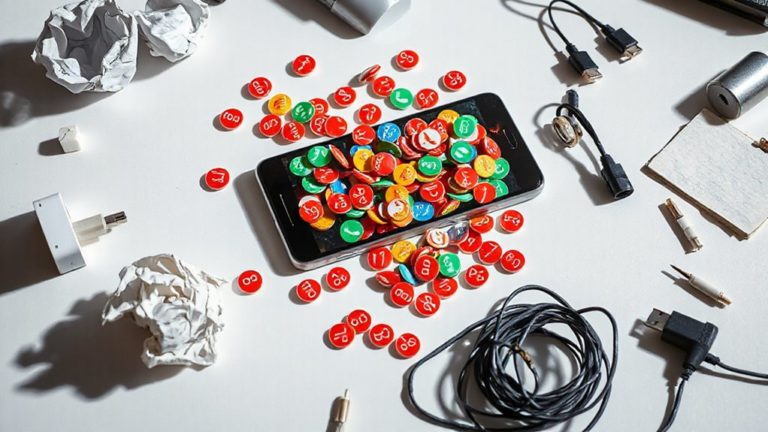







How often do people reach for their smartphones without even realizing it? The answer reveals a startling reality about modern digital habits. Americans touch their phones an average of 2,617 times per day, transforming what should be intentional communication into unconscious compulsion. This constant interaction creates a hidden disruption that quietly undermines cognitive performance throughout each day.
The impact extends far beyond conscious phone usage. Research demonstrates that smartphone presence alone reduces available working memory and cognitive capacity, even when devices remain untouched and silent. Whether phones sit on desks, rest in pockets, or occupy nearby rooms, cognitive functioning suffers as the brain allocates mental resources to resist the urge to check these devices. This phenomenon occurs without people consciously thinking about their phones more frequently, making the attention drain particularly insidious.
Notifications amplify these effects dramatically. A single alert weakens focus ability and prompts task-irrelevant thoughts that create lasting cognitive disruption. Studies show participants with phones nearby perform computer tasks more slowly than those with simple memo pads, highlighting how smartphone presence fundamentally alters mental processing speed and accuracy.
Generational patterns reveal concerning trends about attention development. While younger brains process information faster and transition between tasks more easily, older adults demonstrate superior focusing ability due to more resilient attention spans. Phone interruptions can delay primary task completion by up to four times the normal duration, creating cascading effects on productivity throughout the day.
Gen Z spends over six hours daily on phones compared to Baby Boomers’ four hours, suggesting that early smartphone exposure may permanently reshape attention capacity during crucial developmental years. The fragmented attention patterns begin remarkably early, with over 40% of consumers checking their phones within five minutes of waking.
The statistics paint a sobering picture of collective digital dependency. Americans average over five hours of daily phone usage, with only eleven percent primarily using devices for productive activities. More than two-thirds report experiencing phone-related health issues annually, indicating widespread recognition that current usage patterns create genuine problems.
Breaking free from smartphone attention hijacking requires deliberate intervention. Batching notifications rather than receiving continuous alerts improves self-reported attention functioning. Creating phone-free zones and establishing specific checking times can restore cognitive control.
The goal involves reclaiming mental resources that smartphones silently commandeer, allowing sustained focus to flourish naturally without constant digital interference disrupting concentration and productivity.
Related Posts