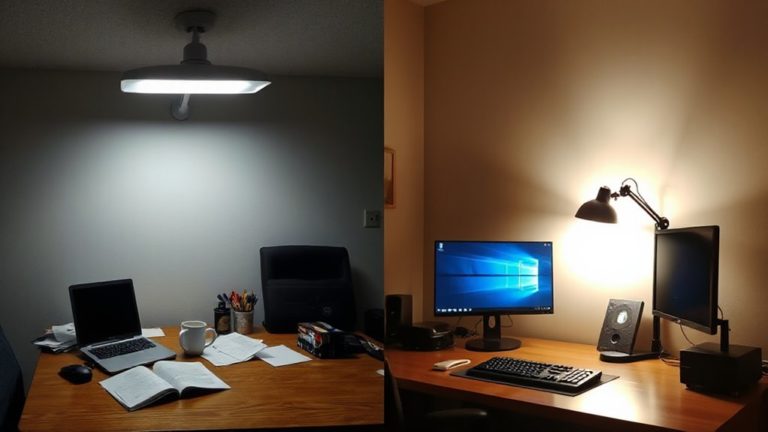








In the face of mounting cognitive demands from work, study, and daily responsibilities, mental exhaustion has become an increasingly common barrier to productivity and well-being. While many assume passive rest suffices, research reveals that active recovery strategies prove far more effective in restoring cognitive function and mental clarity after taxing workdays.
Active recovery strategies outperform passive rest in restoring mental clarity and cognitive function after demanding workdays.
A single bout of moderate aerobic exercise at 65-75% VO2peak demonstrates remarkable restorative properties, regenerating cognitive flexibility with a Cohen’s d of 0.737. This approach outperforms both active controls like stretching and passive activities such as watching television. Beyond cognitive benefits, moderate aerobic exercise improves mood, reduces tiredness, enhances self-perceived cognitive capacity, and boosts motivation. A thirty-minute cycling session can effectively counteract the mental depletion accumulated throughout a demanding workday.
Mindfulness practices offer another evidence-based pathway to recovery. Systematic reviews identify meditation as the intervention most strongly related to reducing mental fatigue. By promoting adaptive self-regulation and countering the effects of prolonged concentration, mindfulness techniques support both mental endurance and cognitive function. The effectiveness depends partly on practice duration and experience, suggesting that consistent application yields greater benefits.
Cognitive behavioral techniques provide additional support by reframing negative thought patterns and building resilience. Cognitive reappraisal, which involves reinterpreting stressful situations constructively, shows positive effects on well-being with a beta coefficient of 0.4909. This approach helps individuals identify and modify unhealthy patterns contributing to burnout while reducing negative emotions associated with mental fatigue.
Strategic rest interventions amplify recovery beyond simple downtime. Power naps specifically reduce mental fatigue perception, while optimized sleep schedules reestablish pre-performance cognitive states and restore depleted resources. Breathing exercises and systematic relaxation techniques further combat exhaustion, particularly when combined with mental imagery.
Supporting these behavioral strategies with proper nutrition enhances overall recovery. Omega-3 fatty acids and antioxidants promote brain health, while targeted supplementation may improve cognition and energy levels. The evidence clearly indicates that active recovery strategies—particularly aerobic exercise, mindfulness, and cognitive techniques—dramatically outperform passive rest in restoring mental resources after cognitively demanding work. Regular aerobic exercise also produces long-term brain benefits by increasing BDNF and supporting neuroplasticity.