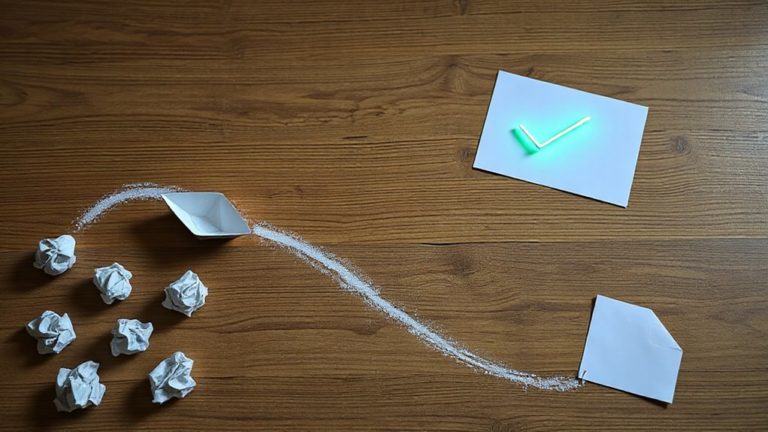




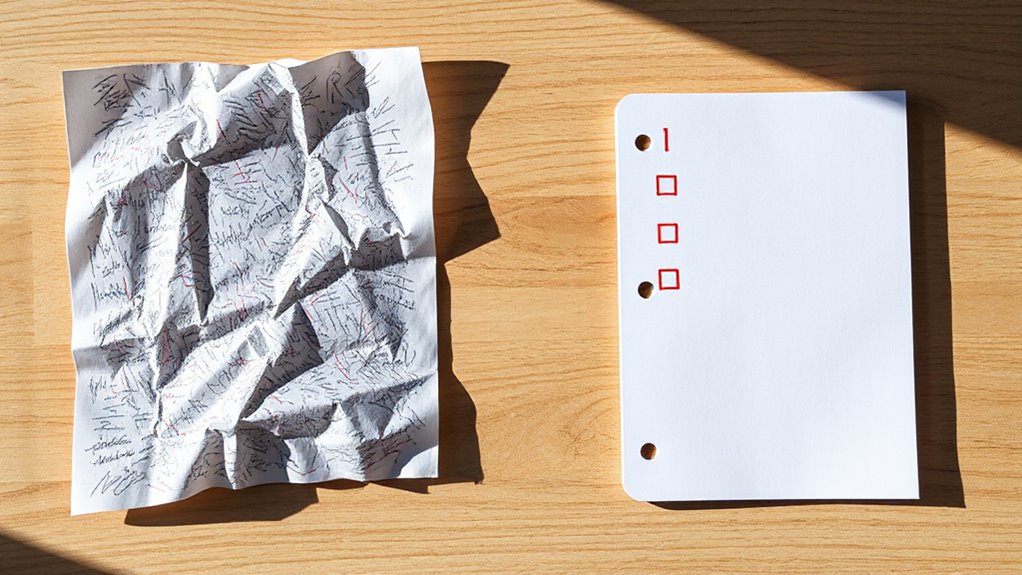


Ten minutes of prep often turns into an hour of research, outlining and note shuffling, which is writing procrastination in disguise. The fix is to decide what your first sentence will be, set a cue and a timer, and start writing once you have direction rather than certainty. Your writing discipline then rests on a clear next step.
Spot When Prep Becomes Procrastination
When a short preparation phase quietly stretches into an hour of research, outlining and rearranging notes, it has usually stopped serving the writing and started replacing it. The clearest warning sign is a prep phase that grows past its set limit while no text appears on the page. Setting smaller, incremental goals, such as finishing an introduction or completing a Works Cited section, can keep preparation tied to actual writing.
Over-research is a common trap, particularly for writers who have not imposed constraints beforehand. Writers never have all the information they would like, so it is better to write with the information available now.
Productive preparation, by contrast, ends with a small, immediate action, such as a rough paragraph or a 30-minute drafting session. Tracking those mini-actions and updating them weekly supports completion and progress tracking. If the next step remains vague, preparation tends to become avoidance, so ask what will be written first.
Set a Cue Before You Start Writing
Before the first word is typed, a clear signal can do more to launch a writing session than any amount of motivation. A cue is a concrete, detectable trigger, such as a calendar alert, a cup of coffee, or a manuscript left open on the desk.
The most reliable approach pairs the cue with an immediate first action through an if-then plan: “If the laptop opens, then I will start the outline.” A meta-analysis of 94 independent tests found that adding if-then plans to goal intentions improved goal attainment by d = .65.
Placing the draft where it is the first visible item reinforces the signal, while a ritual marks the shift into writing mode. A portable object, such as a special pen or notebook, keeps the cue available on a train, in a hotel lobby, or in a coffee shop, so a portable trigger object lets you keep your daily word count even when your usual desk is out of reach.
Soon, the cue replaces prep. Regular short mindfulness practice can also strengthen attention so the cue works more consistently, as covered in this piece on improved attention.
Start Writing With Just One Sentence
A single sentence is often all it takes to turn a stalled writing session into a productive one. Writing one sentence turns a vague task into a small, concrete action, which lowers the barrier to beginning. Once you put each sentence on its own line, weak sentences, flabby openings and repeated ideas become easier to spot, so one sentence per line makes your first draft far simpler to revise.
To get that first sentence down:
- State the main point directly, without piled-on clauses.
- Use simple starters such as “I am” or “Here is.”
- Focus on beginning, not polish.
- Let the next sentence continue, not start, the draft.
- Revise the opening after more text exists.
Once the sentence exists, add one supporting detail, then another, and the paragraph gradually builds itself without pressure. If the first sentence refuses to come, set a timer for ten minutes and write without stopping, ignoring editing and word choice, so the internal editor cannot slow you down before you find a sentence worth keeping. Also consider keeping a centralized task capture place for your writing ideas so you won’t lose them between sessions.
Put a 10-Minute Timer on Your Draft
Once a single sentence is on the page, a timer can turn that small beginning into real momentum. Ten minutes is short enough to feel manageable, yet long enough to produce meaningful material.
Choose one specific task, such as drafting a single section or scene, and write the topic at the top of the page. Then write without stopping, rereading or researching until the timer rings. A timer built around a work-rest pattern repeats focused intervals and breaks, which makes the rhythm easier to sustain than a regular countdown timer.
Polishing can wait. When time expires, pause, then decide whether to continue; many writers find that momentum carries them into a longer block of fifteen or twenty minutes. Either way, progress is visible. Trying to write a perfect first draft by editing and rewriting earlier text before adding new words often drains productivity and confidence, so let the timer protect your fresh writing from that trap. Use a regular weekly review to keep these timed sessions aligned with larger goals and projects.
Know When Prep Is Done and Writing Begins
Prewriting has a stopping point, and recognizing it keeps preparation from becoming a way to avoid the page. Preparation is complete when direction exists, not when every detail feels certain. Even a finished plan should remain a flexible outline, because writing can reveal new connections or weaknesses in the original plan. Tendencies like fear of failure can turn prep into avoidance, so watch for emotional triggers that lengthen planning.
A quick readiness check can confirm it:
- The thesis can be stated in one sentence.
- The outline lists main sections in logical order.
- Notes cover the main claims already identified.
- Audience, purpose and content decisions are settled.
- The next step is writing paragraphs, not gathering ideas.
Another note or source is often just delay. Turn headings into paragraphs, start with the easiest section, and treat the draft as revisable. A first draft is meant to be rough and loose, since its purpose is to transfer ideas onto paper rather than to achieve structure or polish.
How to Start Writing Without Over-Prepping
- Set a limit for prep and name the small action that ends it, such as a rough paragraph.
- Choose a cue and an if-then plan, such as “If the laptop opens, then I will start the outline.”
- Write one plain sentence stating your main point.
- Run a 10-minute timer on one specific section, without rereading or researching.
- Check readiness: if you can state the thesis in one sentence and the next step is writing paragraphs, stop gathering.
Common Questions About Writing Procrastination
What if I cannot think of a good first sentence?
Set a timer for ten minutes and write without stopping, ignoring editing and word choice. The internal editor cannot slow you down, and you can find a sentence worth keeping along the way. You can also revise the opening after more text exists.
Should the outline be finished before I start?
Not in every detail. Preparation is complete when direction exists, and even a finished plan should stay flexible, because writing can reveal new connections or weaknesses in it.
What if I run out of time after ten minutes?
Pause and decide whether to continue. Many writers find momentum carries them into a longer block of fifteen or twenty minutes, and either way you have visible progress.
Build Writing Discipline One Sentence at a Time
Tomorrow, decide your first sentence before you open your research and let a cue and a ten-minute timer start the session. Repeating that small routine does more for your writing discipline than waiting until you feel ready.