

Daily workspace cleaning supports sick day reduction by limiting germ buildup on shared surfaces, and it also cuts clutter that leads to decision fatigue. Disinfect high-touch surfaces, reset your desk at the end of each day, follow a written checklist, and track attendance to see whether the routine works.
Cut Sick Days With Daily Workspace Cleaning
How does a cleaner office translate into fewer sick days? Through reduced exposure. Regular cleaning limits germ buildup on shared surfaces, so employees encounter fewer pathogens during the workweek. Studies and industry sources report results, including a 12.5% drop in sick days in one university-referenced study and absenteeism reductions of up to 40% in commercial cleaning guidance. JAN-PRO reports that quality commercial cleaning cuts cold and flu transmission risk by 80% and reduces sick days by 46% per year.
Consistency matters. Daily checklists covering restrooms, kitchens, floors, and waste bins keep hygiene steady across every zone, not just the obvious problem areas. Over time, this routine helps limit seasonal illness spikes and protects attendance during cold and flu season.
Because commercial buildings are buttoned up tight during winter, reduced fresh air flow allows germs to grow and spread more easily. Steady cleaning is especially valuable in the colder months. Implementing centralized document procedures for cleaning logs and schedules helps ensure accountability and consistent execution.
Disinfect High-Touch Surfaces First
Germs spread most easily through repeated contact, so the surfaces many hands touch each day deserve attention before anything else. Start by wiping away visible dirt, since grime can weaken disinfectant performance and every later step depends on a clean surface.
Then follow three steps:
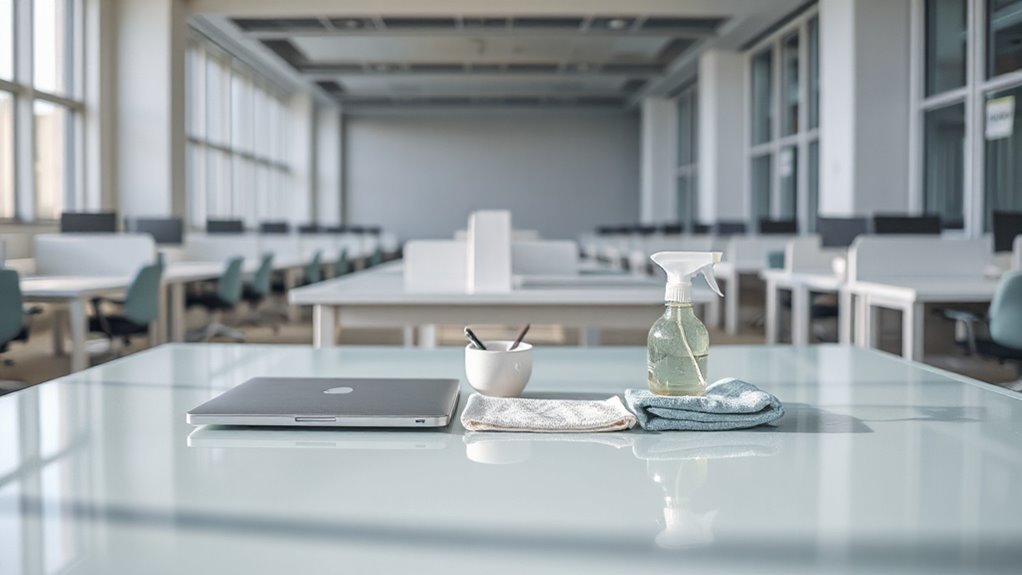
- Wipe keyboards, phones, mice, and desks until the surfaces look clear of dust and smudges.
- Apply disinfectant to doorknobs, light switches, faucets, and shared counters, keeping them visibly wet.
- Wait for the full labeled contact time, then let the surfaces air dry if directed.
Repeat at the start, middle, and end of each day to keep shared items safer.
Chronic stress can weaken immune defenses, making infection susceptibility higher and routine cleaning even more important.
Clear Desk Clutter With an End-of-Day Reset
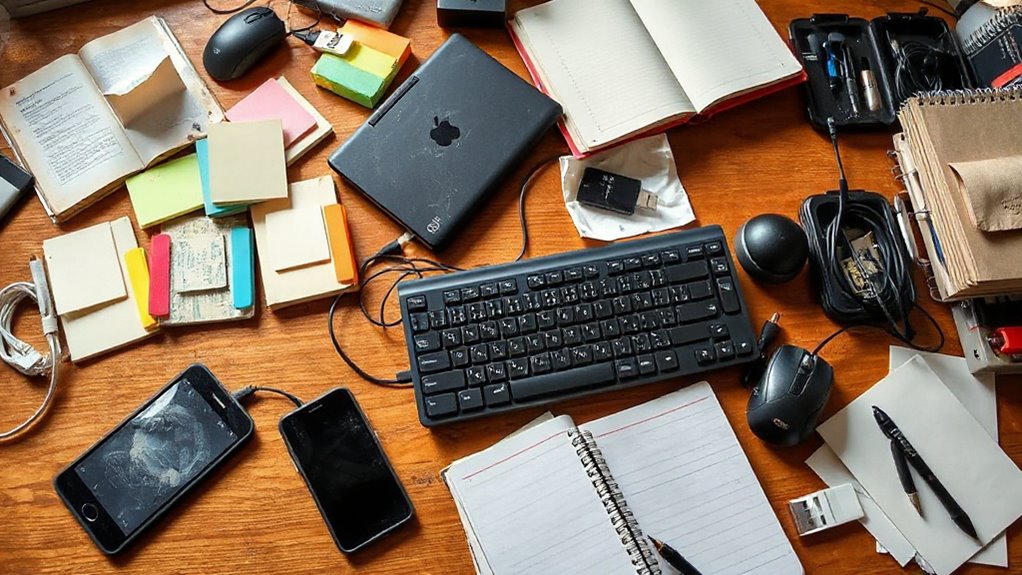
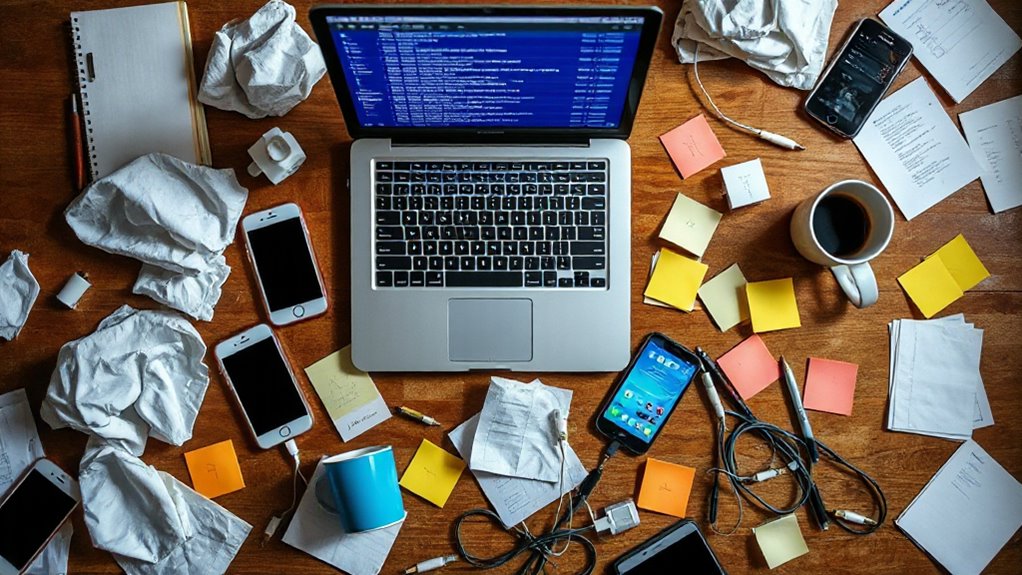
A clear desk at the end of the day sets up a smoother start the next morning. A five-minute reset is enough to return pens, cables, notebooks, and chargers to assigned spots. Clutter is often a postponed decision, so putting each item away right then spares you from deciding about it later.
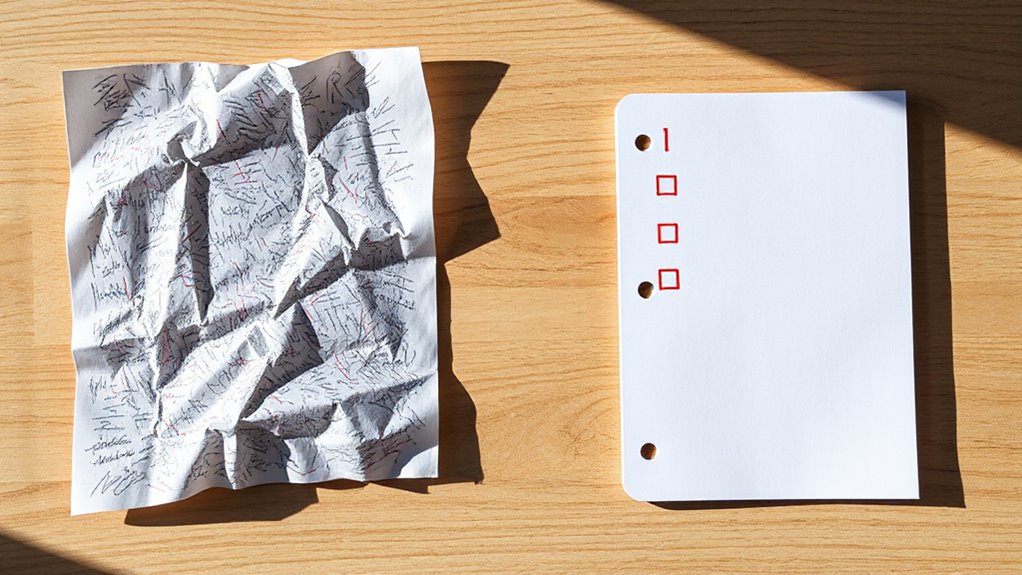
Papers still in progress belong in a designated tray or folder, with tomorrow’s top priority placed where you will see it. This keeps unfinished work from spreading across the surface overnight. A consistent end-of-day routine also helps maintain consistent focus and reduces morning decision fatigue.
Employees in clean, organized environments are reported to be more focused and engaged. Because the habit is small, it is easier to sustain than a major cleanout, and it lowers stress. Leave enough room for the computer and notebook, and the first task of the day can begin without hesitation.
Build a Daily Workspace Cleaning Checklist
Once personal desks are cleared, attention can turn to the surfaces people share throughout the day. A written checklist is the most reliable way to keep that work consistent. Regular cleaning also supports reduced absenteeism by minimizing germ transmission and keeping employees healthier.
A strong list names every touch point, from door handles and light switches to phones, keyboards, faucets, and photocopiers. A touch point is any surface that can be touched by bare hands by multiple people, multiple times.
The routine runs in three steps:
- Remove visible dirt with soap and water, then apply disinfectant according to manufacturer contact times.
- Wipe busy surfaces every two to three hours, and clean shared equipment between users.
- Check soap, paper towels, and gloves daily, then initial the shared log.
Choose a disinfectant with a DIN approved for Canada, and follow the product directions, including wearing the required gloves and eye protection.
Track Sick Days to Prove Cleaning Works
A cleaner workplace feels healthier, but only attendance records can show whether the new routine is reducing illness. Begin by recording sick days per employee over a fixed baseline of four to twelve weeks, separating short, full-day, and partial-day absences.
Open-plan spaces show a 62% higher incidence of sickness absence than private or cellular offices, so record those areas separately. To control for communication-driven spread of illness and stress, also monitor after-hours messaging frequency in affected teams outside contact.
After the change, track the same window and compare it with the baseline and last year’s period. Keep in mind that participation can skew results: in a Danish workplace trial among cleaners, only 49% consented to take part, and those who consented had more chronic diseases and poorer musculoskeletal health than those who did not.
One office intervention reported 12.5% fewer sick days, though no result should stand alone. Review cleaning logs alongside seasonal illness, staffing, and policy changes to avoid false conclusions. Finally, multiply days lost by daily labor cost to turn attendance data into a clear ROI.
Common Questions About Workplace Hygiene
How often should shared surfaces be cleaned?
Disinfect high-touch surfaces at the start, middle, and end of each day. Busy surfaces can be wiped every two to three hours, and shared equipment should be cleaned between users.
How long should I track attendance before judging the results?
Record a baseline of four to twelve weeks, then track the same window after the change. Compare it with last year’s period and review it alongside seasonal illness, staffing, and policy changes.
Why does a tidy desk matter for decisions?
Clutter is often a postponed decision. Putting each item away at the end of the day means you do not have to decide about it later, which reduces morning decision fatigue.
Making Workplace Hygiene a Daily Habit
Start small: a five-minute desk reset and a shared checklist with a log are enough to begin. Then compare attendance against your baseline to see whether the routine is paying off.