Despite the crowded marketplace of sophisticated productivity applications promising elaborate workflows and comprehensive task management, many users find themselves gravitating toward a deceptive simple solution: Google Keep. This lightweight tool continues to outperform its feature-rich competitors through a combination of speed, accessibility, and pragmatic design choices that prioritize actual usage over theoretical capabilities.
The most compelling advantage lies in its frictionless capture process. Opening the app and creating notes requires minimal taps before writing begins, allowing brilliant ideas to be recorded before they evaporate from memory. This immediacy proves essential for on-the-go users who need to document tasks instantly, as app friction—time spent maneuvering menus and formatting—directly reduces usage rates regardless of how powerful the underlying features might be. Many productivity experts recommend prioritizing tools with minimal friction to improve adoption and consistency, a principle central to successful workflows work management.
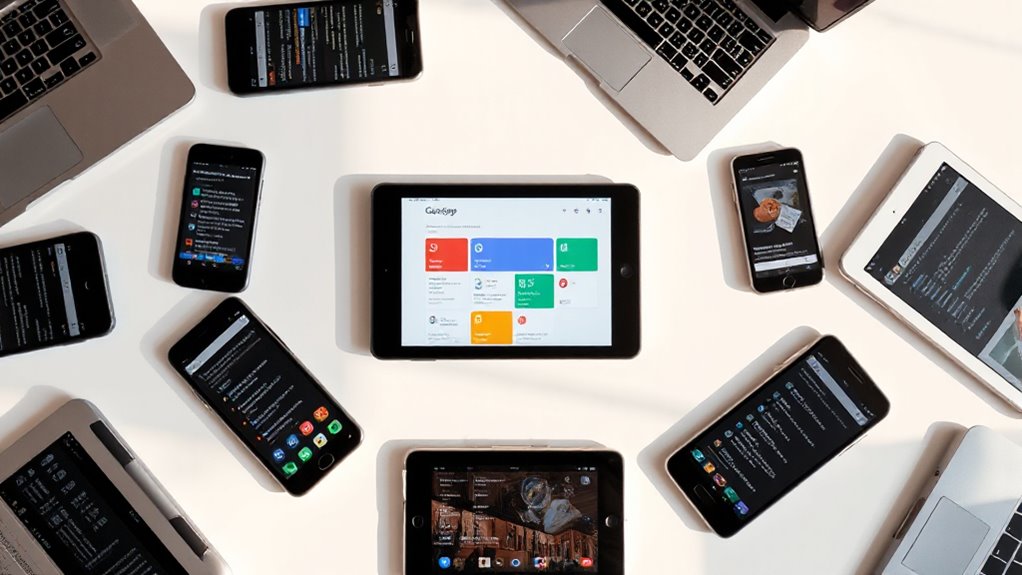
Seamless cross-platform synchronization further distinguishes Google Keep from alternatives. Notes sync constantly across Android phones, iPhones, web browsers, and the Gmail sidebar, ensuring users remain unrestricted to specific platforms. Integration with Google Assistant enables voice-activated note creation, while connections to Google Drive, Gmail, and Google Calendar create a unified ecosystem experience where information stays current across all devices in real-time.
Unlike productivity tools that impose rigid hierarchical structures, Google Keep offers flexible organization without forced systems. Users can retrieve notes within seconds using labeling and search functionality, while pinning options provide increased structure only when desired. This versatility allows a single tool to accommodate multiple use cases—packing lists, recipes, project outlines, and workout plans—all managed through visual organization using colors and a flat format. The bulletin-board grid layout displays all notes simultaneously for quick scanning and immediate visibility. The note-taking app market is projected to reach $11.11 billion by the end of 2025, reflecting growing demand for tools that balance simplicity with functionality.
The reminder capabilities deliver practical value through both time-based and location-triggered notifications. Users receive alerts when arriving at or leaving designated places, making the app particularly effective for mobile-first individuals requiring real-world context for task management.
Collaborative features add another dimension, allowing family members and friends to jointly manage shared lists through Gmail integration without premium subscriptions. Combined with all-encompassing support for text notes, checklists, images, voice memos, and drawings, Google Keep provides essential productivity functionality while maintaining a clean, approachable interface that avoids overwhelming users with unnecessary complexity.