







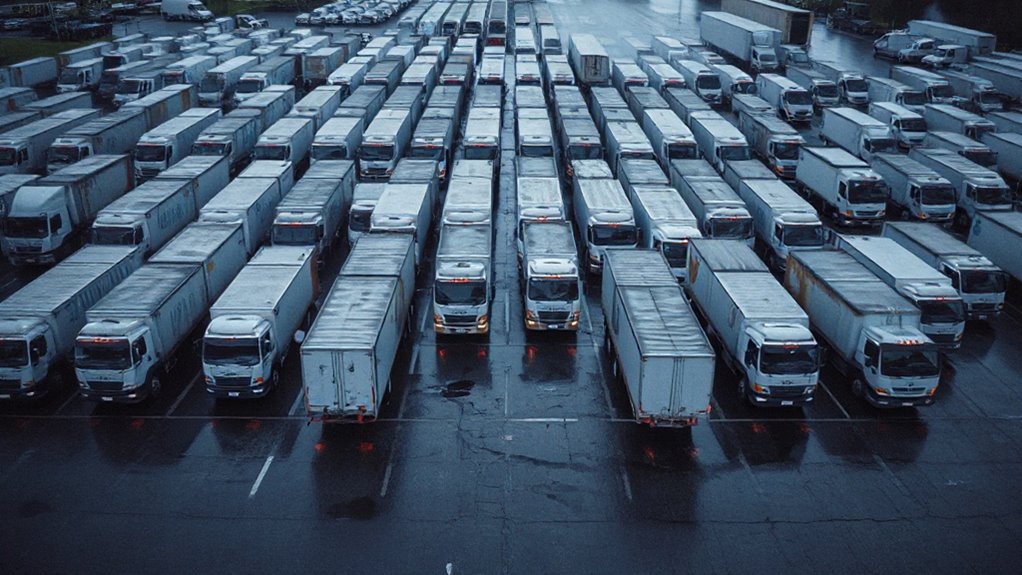
Every year, American vehicles burn through approximately 6 billion gallons of fuel while going nowhere at all. This staggering waste, caused by idling engines, costs the nation $20 billion annually and represents one of the most overlooked opportunities for financial savings and environmental improvement. For fleet managers and business owners, understanding the true cost of idling can open substantial budget relief. Automation can help fleets identify and reduce idle time through real-time monitoring and policy enforcement.
Vehicle idling wastes 6 billion gallons of fuel yearly, costing $20 billion in one of America’s most overlooked savings opportunities.
The financial impact extends far beyond fuel consumption. A 100-truck fleet idling just two hours daily for 275 days per year wastes up to $165,000 in fuel costs alone. Heavy-duty trucks burn roughly 0.8 to 1 gallon per hour while stationary, while light-duty vehicles consume an average of 0.9 gallons per hour. Even a modest fleet of 50 vehicles idling one hour daily faces yearly fuel costs exceeding $148,125, depending on current fuel prices.
Engine wear compounds these expenses dramatically. One hour of idling equals 25 to 30 miles of driving regarding mechanical stress, meaning daily idling for one year translates to 64,000 miles of engine wear. This accelerated deterioration leads to excess maintenance costs reaching $9,472 per truck annually. Some fleets spend $27,000 monthly on emissions repairs related to idling damage, particularly from particulate buildup in diesel filters. Personal vehicles face similar hidden costs, with each vehicle consuming about 12 gallons per year just from idling.
Government and municipal fleets face especially acute challenges, with 57 percent of work trucks idling between one and four hours daily. These vehicles often sit running during warm-ups, breaks, and administrative tasks, creating substantial waste in operations ranging from snow removal to refuse collection. States already spending up to $272 million annually on winter maintenance cannot afford to ignore such controllable expenses.
The encouraging news is that eliminating unnecessary idling could save companies nearly $15,000 per vehicle annually in combined fuel and maintenance costs. This reduction requires no major operational overhauls, just awareness and policy changes. Many jurisdictions now impose fines for excessive idling, creating additional financial incentives for fleets to adopt smarter management practices. Beyond financial benefits, cutting idling would remove the equivalent of 5 million personal vehicles from American roads, greatly reducing the 30 million tons of carbon dioxide that vehicle idling produces nationally each year.
Related Posts