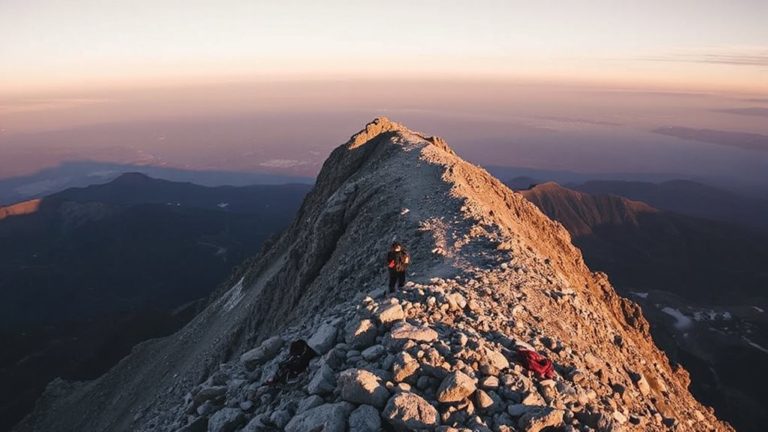







While many people view travel as a shared experience best enjoyed with companions, a growing number of adventurers are discovering that journeying alone offers distinct advantages that group travel simply cannot match. Over 60% of solo travelers cite freedom to be flexible and change plans as a top benefit, with only 17% planning detailed itineraries compared to group travelers. This spontaneity allows individuals to do what they want, when they want, a sentiment echoed by 63% of those who venture out independently.
Solo travel delivers unmatched flexibility, with 60% of adventurers prioritizing spontaneity over rigid itineraries when exploring the world independently.
The autonomy extends beyond scheduling preferences. Approximately 41% of adults identify having greater control over their travel budget as a key advantage, while 59% choose solo travel to avoid the frustration of waiting for companions to keep up. These logistical benefits create an environment where personal preferences dictate every decision, from dining choices to activity selection. Regular physical activity, such as walking or martial arts, can further enhance focus and enjoyment during solo excursions.
Beyond practical considerations, solo travel serves as a powerful catalyst for personal development. Around 75% of solo travelers report pursuing these journeys primarily for self-care, personal growth, and schedule freedom. Psychological research confirms that exploring unfamiliar environments independently promotes self-reliance and increases confidence through constant problem-solving and decision-making.
Frequent solo travelers often report heightened feelings of independence and resilience, with 40% citing these as top benefits. Approximately 54% specifically seek to challenge themselves and push their travel limits when going alone.
The mental health advantages are equally compelling. A significant share of solo travelers list self-care and improved mental health as primary motivations, with one in five self-care-focused travelers taking six or more solo trips annually to feel refreshed. Research suggests that spontaneous trips can boost serotonin levels, contributing to mood enhancement and reduced stress. Post-pandemic data shows 74% of prospective solo travelers no longer want to wait for others, viewing solo trips as opportunities for emotional reset and burnout recovery.
Finally, traveling alone paradoxically enhances social connections. Many solo travelers engage more deeply with locals and strangers than when accompanied, with 45% highlighting cultural exploration and meeting local people as top reasons for their choice, ultimately fostering greater cultural immersion and developing valuable social skills. More than half of solo travelers report meeting new people and spending time with them during their journeys. Solo travel has been described as a powerful way to become more independent and meet new people.
Related Posts