How Clutter Quietly Hijacks Your Brain and Focus
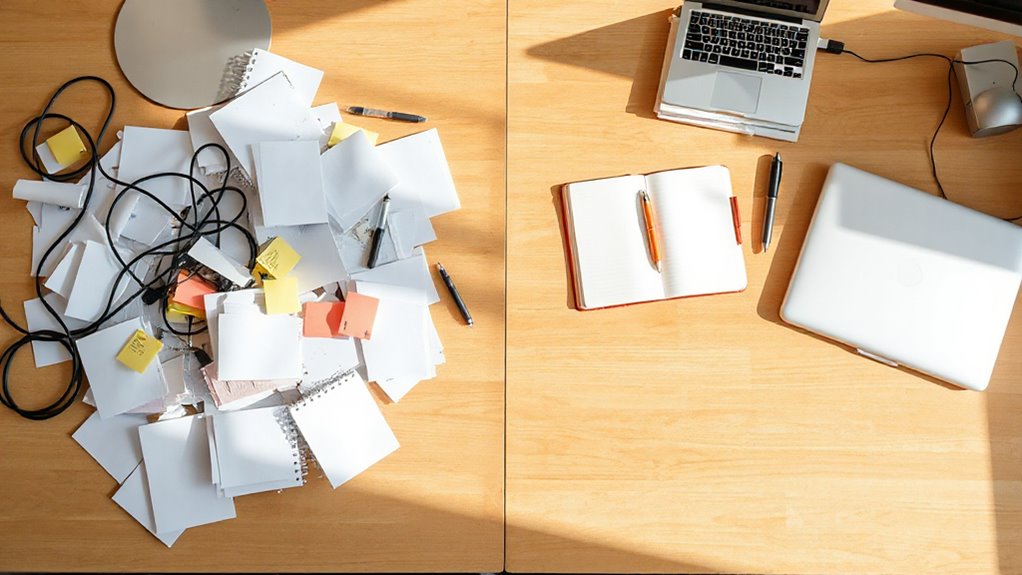
Most people assume clutter is merely an aesthetic inconvenience, but research reveals it quietly wages war on the brain’s ability to function. Every pile and scattered object registers in the brain, consuming cognitive resources even when consciously ignored.
Multiple competing items slow mental processing, much like too many open browser tabs drain a computer’s performance. This visual excess increases cognitive load, forcing the brain to work harder simply to navigate its environment.
Studies confirm that peripheral clutter directly alters information flow within the visual cortex, undermining focus before a single task even begins. Clearing spaces, consequently, becomes a neurological investment. Prolonged exposure to disorganized environments impairs working memory, making it progressively harder to regain focus over time.
Disorganized environments have also been linked to elevated cortisol levels, meaning the stress response activates not just mentally but physiologically, compounding the toll clutter takes on overall wellbeing. Short daily practices like 15 minutes of mindfulness can help restore cognitive clarity and reduce the burden clutter places on attention.
The Hidden Emotional Load One Partner Always Carries
While clutter visibly crowds physical spaces and mentally exhausts those who inhabit them, a subtler form of disorder operates entirely within the mind of one partner, often unnoticed by the other. This invisible burden, commonly called the mental load, encompasses tracking appointments, anticipating needs, and managing household harmony. Research indicates 61% of women carry this emotional weight compared to 32% of men. The overlooked partner rarely relaxes fully, maintaining a constant internal checklist even during downtime. Over time, this imbalance breeds resentment, erodes intimacy, and shifts the relationship dynamic from equal partners toward something resembling a manager-helper arrangement. True resolution requires moving beyond task lists toward ownership and initiative, where both partners actively notice and anticipate household needs without being asked. When these patterns become deeply entrenched, seeking couples therapy can help both partners identify unspoken expectations and build systems for more equitable responsibility sharing. Effective delegation within the household can increase engagement and reduce overload, improving both functioning and satisfaction for partners by fostering job autonomy.
Why Clutter Does More Damage in Shared Spaces
Between two people sharing a home, clutter rarely affects both equally, and that imbalance is where real damage begins. When one partner tolerates disorder while the other cannot, tension escalates quickly.
Nearly 40% of couples argue about clutter, often daily, because shared spaces force opposing thresholds into direct conflict. Cluttered bedrooms suppress intimacy, while overcrowded living areas discourage meaningful conversation. Remote work choices can complicate this dynamic as people work longer hours and spend more time at home, increasing opportunities for conflict.
Common spaces lose their purpose, becoming sources of avoidance rather than connection. Addressing clutter together, rather than assigning blame, creates shared ownership. Research has linked excessive arguing and financial strain caused by clutter to a measurably higher risk of divorce.
Small, consistent decluttering habits restore comfort, reduce stress, and rebuild the sense of safety every shared space should provide. In severe cases, extreme clutter can cause family members to refuse visits, deepening feelings of shame and isolation for those living inside.
The Real Ways a Messy Home Erodes Your Relationship
A messy home does more than create visual noise — it quietly dismantles the emotional foundation of a relationship. Research shows nearly one in three Americans find messiness makes their partner less attractive.
Clutter doesn’t just crowd your home — it slowly erodes the attraction and emotional intimacy that holds relationships together.
Clutter elevates stress hormones, reduces libido, and drains the energy needed for genuine connection. Arguments become frequent and exhausting when partners hold different clutter tolerances. Implementing organized folder structures for household documents can reduce daily friction and provide a clearer shared system for responsibilities.
Resentment builds when one person repeatedly cleans another’s mess, creating feelings of disrespect. Some partners resort to passive aggression or withholding affection to prompt change.
Recognizing clutter’s emotional weight is the first step toward rebuilding both a cleaner space and a stronger relationship. Living in a messy house is often equated to having a messy mind, making it harder to maintain the personal routines that keep a relationship healthy.
In fact, 61% of couples report that clutter at least occasionally causes tension in their relationship, underscoring how deeply a disorganized home can affect day-to-day harmony.
How to Clear the Clutter Without Clearing Each Other Out
Decluttering as a couple requires more than a shared trash bag and good intentions — it demands mutual respect, honest communication, and a unified sense of purpose.
Establishing shared goals before sorting a single item prevents unnecessary conflict.
Designating clutter-free and clutter-allowed zones honors both partners’ thresholds without forcing either to fully compromise their comfort.
Regular check-ins and blame-free conversations keep tension low and cooperation high.
When emotions run deep, a professional organizer offers neutral, practical guidance that protects both the home and the relationship. Working together also boosts overall productivity and satisfaction, much like how feeling part of a team increases effectiveness.
Starting in neutral zones like kitchens, bathrooms, and storage areas — rather than personal collections or memorabilia — reduces emotional friction early in the process.
Progress matters more than perfection, and the partnership always outweighs the outcome. Each person’s clutter threshold is shaped by upbringing and deeply ingrained habits, making tolerance levels naturally different from one partner to the next.
Related Posts