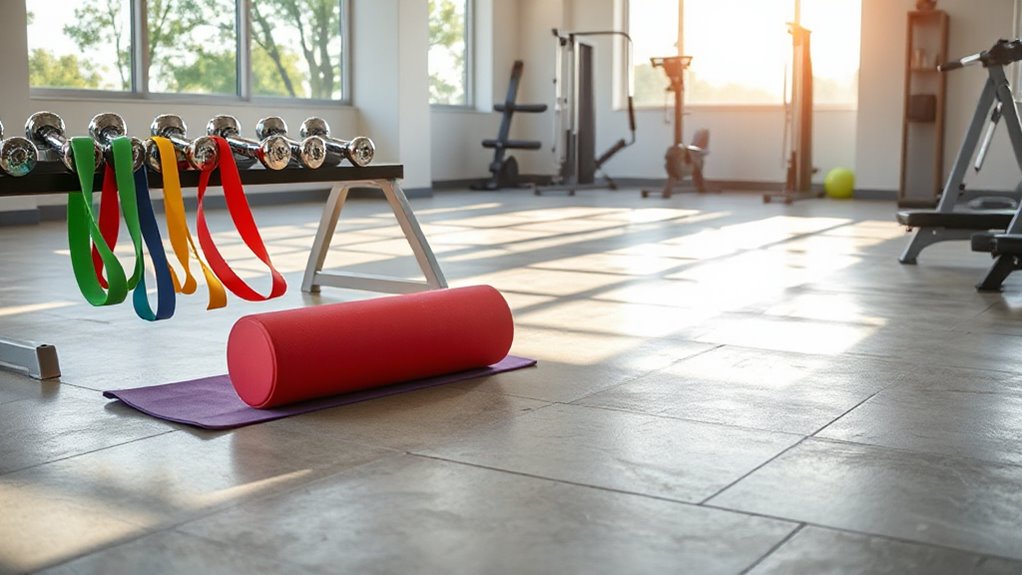
Effective workout motivation begins with setting SMART goals and tracking daily progress through apps or logs that provide tangible evidence of improvement. Scheduling workouts in advance creates routine, while the ten-minute rule helps overcome initial resistance by committing to brief sessions that often extend naturally. Social accountability through workout partners, trainers, or public goal-sharing markedly increases adherence. Focusing on internal benefits like improved energy and mood, rather than just physical appearance, builds sustainable intrinsic motivation that transforms exercise from obligation into anticipated self-care.
How can someone transform the formidable prospect of regular exercise into an achievable and sustainable habit? The answer lies in implementing strategic approaches that address both psychological barriers and practical challenges that prevent consistent workout routines.
Setting clear and realistic goals forms the foundation of successful exercise motivation. SMART goals—those that are specific, measurable, achievable, relevant, and time-bound—provide structure and direction. Rather than pursuing vague objectives like “losing weight,” individuals should focus on incremental targets such as increasing daily step count or completing three strength training sessions weekly. Tracking progress through logs or apps creates tangible evidence of improvement and reinforces commitment through visual motivation. Utilizing task organizers can further aid in maintaining focus and managing workout schedules effectively.
Social support markedly amplifies motivation and adherence. Exercising with a partner or joining group classes increases attendance through mutual encouragement and accountability. Hiring a personal trainer provides professional guidance while creating external motivation through scheduled appointments. Friendly competitions or preparing for events adds purpose and excitement to routine workouts, while sharing goals publicly enhances accountability through social pressure.
Behavioral techniques and strategic planning overcome common obstacles that derail exercise routines. Scheduling all monthly workouts in advance creates structure and routine, while incorporating flexibility through contingency plans helps navigate unexpected challenges. The ten-minute rule proves particularly effective—committing to just a short exercise period reduces initial resistance and often leads to longer sessions once momentum builds. Anticipating the post-workout high beforehand provides additional motivation to begin each exercise session.
Intrinsic motivation proves more sustainable than external rewards alone. Focusing on internal benefits such as increased energy, improved mood, or enhanced strength creates lasting motivation beyond superficial goals. Creating an engaging exercise environment tailored to personal preferences builds positive emotional connections to physical activity. Visualizing sensory benefits like fresh air or sunlight during outdoor workouts strengthens these positive associations.
Effective reward systems and progress tracking maintain long-term engagement. Exercise logs provide concrete evidence of consistency and improvement, while meaningful personal goals increase follow-through likelihood. Reward systems based on loss aversion—avoiding losses rather than gaining rewards—often prove more motivating than traditional incentive structures. Incorporating daily activities like climbing stairs or standing from chairs expands opportunities for meaningful movement beyond formal workout sessions.
Through these combined strategies, regular exercise transforms from an overwhelming obligation into an enjoyable, sustainable lifestyle component.
Frequently Asked Questions
How Long Does It Take to See Visible Results From Working Out?
Visible workout results typically emerge within 8-12 weeks of consistent training.
Beginners often notice strength improvements and body composition changes in 2-6 weeks, while muscle definition becomes apparent after 3-4 months.
Fat loss may show in 4-6 weeks, though muscle hypertrophy requires sustained effort over several months.
Individual factors like genetics, nutrition, training consistency, and starting fitness level notably influence the timeline for observable physical changes.
What Should I Eat Before and After Exercising for Best Results?
Ideal exercise nutrition involves strategic timing and food choices.
Before workouts, individuals should consume 30-60g carbohydrates and 5-10g protein 30-60 minutes prior, choosing easily digestible options like bananas or toast.
Post-exercise nutrition requires protein and carbohydrates within 60 minutes, aiming for approximately 20g protein alongside complex carbohydrates.
This approach supports energy availability, prevents muscle breakdown, and enhances recovery while maximizing training adaptations.
How Many Rest Days per Week Should I Take Between Workouts?
Fitness experts recommend taking 1 to 3 rest days per week, depending on individual fitness levels and workout intensity.
Strength training requires at least 2 to 3 rest days between sessions targeting the same muscle groups for ideal recovery.
High-intensity workouts need ≥2 rest days between sessions to prevent overtraining and injuries.
Beginners typically need more recovery time than experienced athletes, while older individuals may require additional rest days due to slower recovery rates.
Is It Better to Work Out in the Morning or Evening?
Both morning and evening workouts offer distinct advantages depending on individual goals. Morning exercise enhances fat burning, improves insulin sensitivity, and reduces heart disease risk, particularly for women.
Evening workouts optimize muscle strength and flexibility when body temperature peaks, while providing effective stress relief.
Consistency matters more than timing—the best workout time is when someone can maintain regular exercise habits long-term.
What Equipment Do I Need to Start a Home Workout Routine?
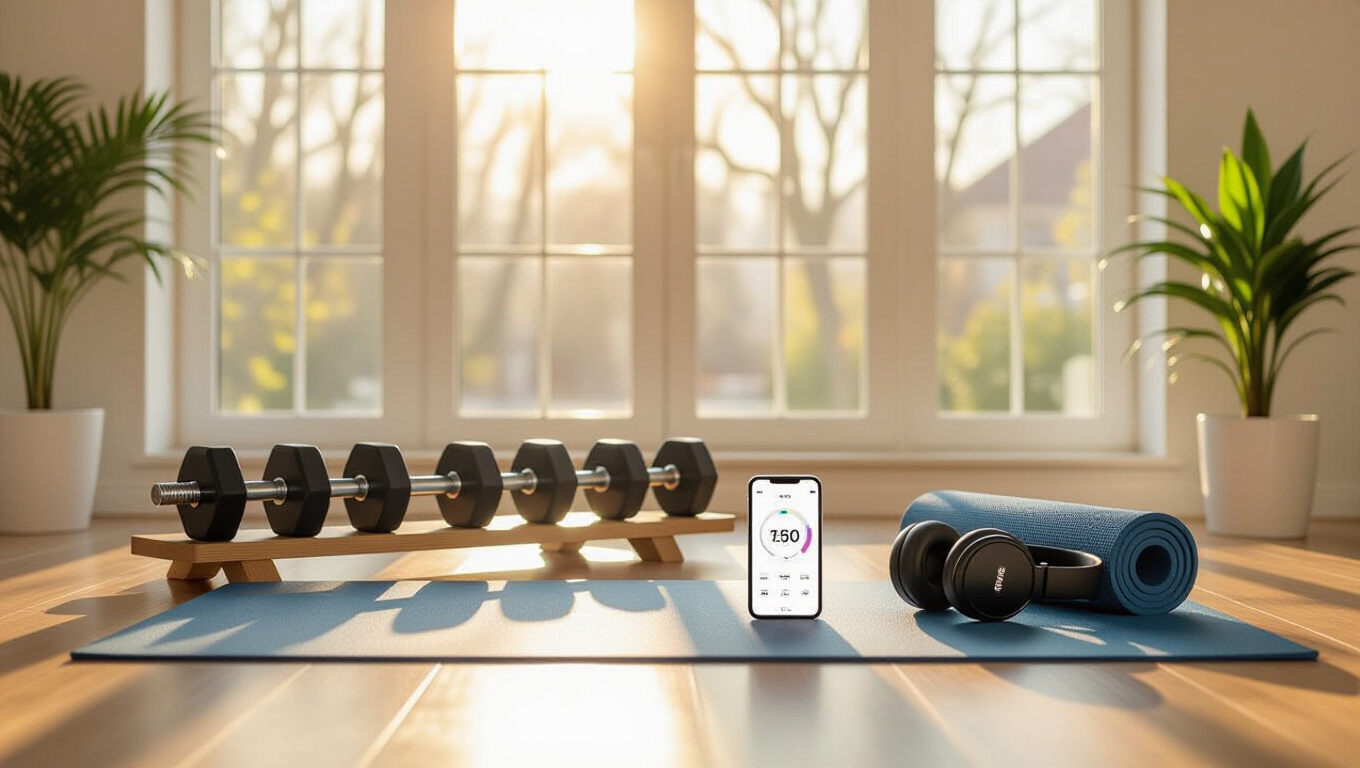
Beginners need minimal equipment to start effective home workouts. Essential items include 5-10 pound dumbbells for strength training, an exercise mat for floor exercises, and resistance bands for versatile muscle targeting.
A digital device enables access to workout videos, while proper athletic footwear ensures safety and stability. These basic tools provide thorough training options without significant investment, allowing individuals to build fitness foundations before expanding their equipment collection.
Related Posts