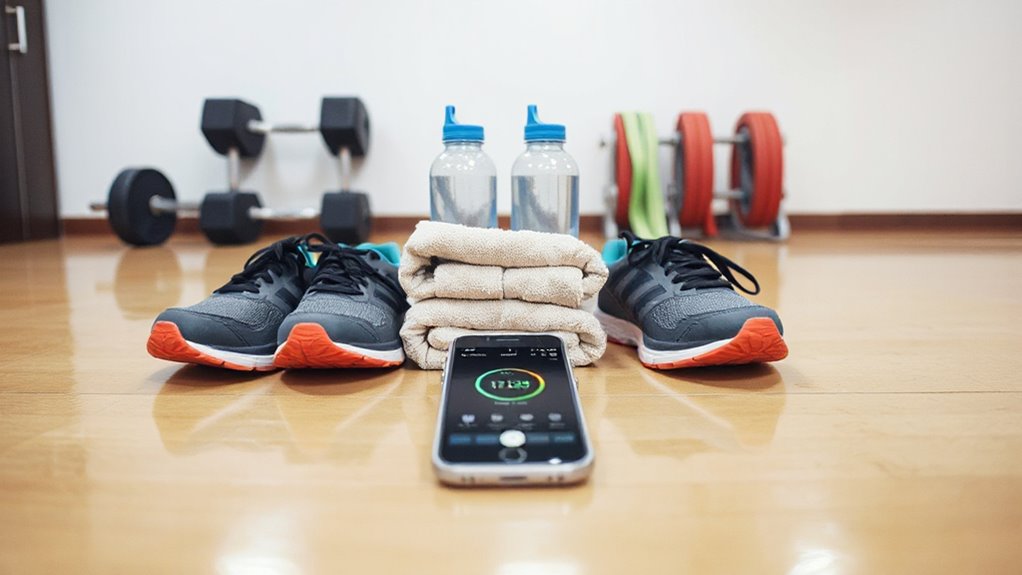
Why You Keep Skipping the Gym Without an Accountability Partner
Without an external source of accountability, skipping the gym becomes remarkably easy to justify. When no one expects attendance, canceling feels consequence-free.
Without accountability, skipping the gym feels consequence-free — because when no one expects you, canceling costs nothing.
Self-motivation alone often buckles under the weight of busy schedules, energy dips, and convenient excuses that surface without warning. Procrastination thrives in isolation, where negative self-talk goes unchallenged and missed sessions quietly accumulate. Hybrid models can offer the structured flexibility that helps people stay consistent without sacrificing other commitments.
Without shared struggles, each skipped workout becomes a private failure rather than a normalized hurdle. Comparison with more advanced peers further erodes confidence, making effort feel inadequate rather than progress. Motivation fluctuates with sleep, stress, and life demands, making structural support essential for maintaining consistency over time.
These compounding factors silently dismantle commitment, revealing why external accountability matters far more than personal resolve alone. Research confirms that workout partners increase the likelihood of sticking to fitness routines and ultimately reaching personal goals.
What an Accountability Partner Actually Does for Your Progress
Beyond simply showing up together, an accountability partner actively shapes the quality and consistency of a fitness journey in measurable ways. They send encouraging messages during difficult weeks, remind someone of their original goals, and offer emotional support through plateaus.
During workouts, they provide feedback on form, push harder efforts, and even improve performance through friendly competition. Research from Michigan State University suggests training alongside a slightly more capable partner increases workout intensity. Many partners also help track sessions and reminders using automated scheduling tools to keep consistency high.
They also help establish SMART goals, track progress weekly, and celebrate milestones together. This combination of motivation, feedback, and structured tracking transforms inconsistent gym habits into sustainable, long-term results. When progress stalls or goals feel out of reach, partners can re-evaluate and adjust goals together to ensure they remain realistic and achievable. Social-support interventions, such as buddy systems and walking groups, have been shown to lead to significant increases in adult physical activity according to the Community Preventive Services Task Force.
What to Look for in a Gym Accountability Partner
Choosing the right accountability partner can make or break a fitness commitment, so knowing what qualities to prioritize matters enormously. Reliability ranks among the most critical traits, meaning consistent attendance, punctual arrivals, and follow-through on agreed check-ins.
Compatibility also plays a significant role, since shared goals, similar fitness levels, and aligned workout preferences create natural momentum. Strong communication guarantees both parties establish honest feedback expectations and transparent progress updates.
Supportiveness keeps motivation alive during difficult stretches, while constructive feedback prevents stagnation. A partner who balances encouragement with honest critique, without taking accountability personally, becomes an invaluable asset to sustained gym consistency. Research even suggests that aiming for a partner who is slightly more skilled can encourage longer and more productive workout sessions.
Partners can also support consistency by sending text reminders when it is time to head to the gym, making it harder to talk yourself out of a scheduled session. Small, consistent steps and structured approaches like the Pomodoro method can help build momentum and avoid burnout.
How to Find an Accountability Partner Who Matches Your Goals
Finding an accountability partner who genuinely aligns with personal fitness goals requires deliberate effort rather than casual searching. Matching values, commitment levels, and objectives creates a foundation for lasting motivation.
Genuine alignment in values and goals transforms an accountability partner into a foundation for lasting fitness motivation.
- Clarify specific gym goals — distinguish between performance targets, like lifting heavier, and outcome goals, such as losing weight.
- Seek partners with similar commitment levels — consistency matters more than identical workout routines.
- Use targeted platforms — Reddit’s r/getmotivatedbuddies or fitness-focused Facebook groups connect individuals pursuing matching objectives efficiently. Research shows that limiting communication tools improves coordination and reduces problems, so agree on a single communication protocol early.
Choosing someone slightly ahead in their fitness journey also provides natural inspiration and practical guidance worth pursuing. A partner who cannot state specific goals signals limited capacity for holding you accountable when motivation fades. A reliable, committed partner who shows up consistently for agreed check-ins makes it far easier to maintain personal consistency in habit work.
How to Structure Your Partnership So Neither of You Quits
Structuring an accountability partnership effectively transforms good intentions into lasting habits. Partners should begin by setting SMART goals, defining clear milestones, and discussing motivations openly. Establishing a consistent communication cadence, whether daily texts or weekly video calls, keeps both parties engaged and informed. Consistent communication across schedules and locations, including mixed synchronous and asynchronous check-ins, helps maintain clarity and follow-through communication cadence.
Defining roles early prevents misunderstandings, ensuring accountability remains mutual rather than one-sided. Fitness apps, shared calendars, and dedicated messaging chats provide practical tools for tracking progress transparently. When challenges arise, flexible adjustments and honest conversations prevent partnerships from dissolving. Celebrating small victories sustains momentum, reminding both individuals why consistent effort ultimately produces meaningful, measurable results. Agreeing on a short trial period of two weeks reduces pressure and makes consistent follow-through easier to sustain before committing long-term.
Research published in a 2015 JAMA Internal Medicine study found that couples were significantly more likely to make positive health changes when their partner made them too, underscoring the measurable power of shared commitment.