


Do Productivity Apps Actually Prevent Missed Deadlines?
When used consistently, productivity apps show genuine promise in helping people meet deadlines rather than scramble to catch up on them.
A 2025 classroom study found Trello users submitted assignments 3.5 days early, compared to 1.5 days for non-users, suggesting meaningful improvement in completion timing.
However, no evidence confirms these tools eliminate missed deadlines entirely.
Their effectiveness depends on whether deadlines are actually entered, maintained, and acted upon.
Apps work best when they become part of a reliable routine rather than an occasional reference.
The tool itself matters less than the habits built around using it consistently.
A 2025 meta-analysis of 14 randomized trials found that medication adherence apps increased adherence by 18.85 percentage points on average, pointing to measurable behavioral impact when reminders are consistently applied.
Tools like Todoist support natural language input, allowing users to enter a deadline like submit history essay tomorrow without slowing down their workflow.
Organizations that invest in proper training programs see better outcomes when integrating productivity tools.
Why Productivity Apps Make Notification Overload Worse
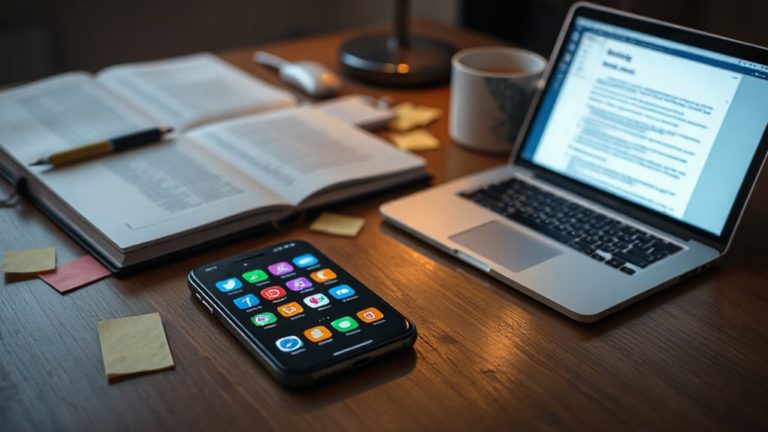
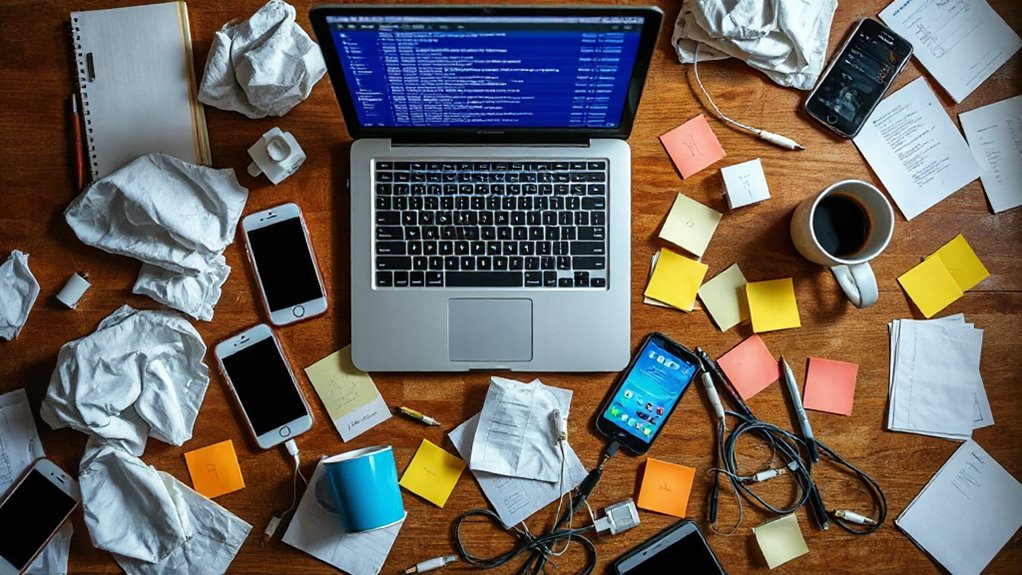
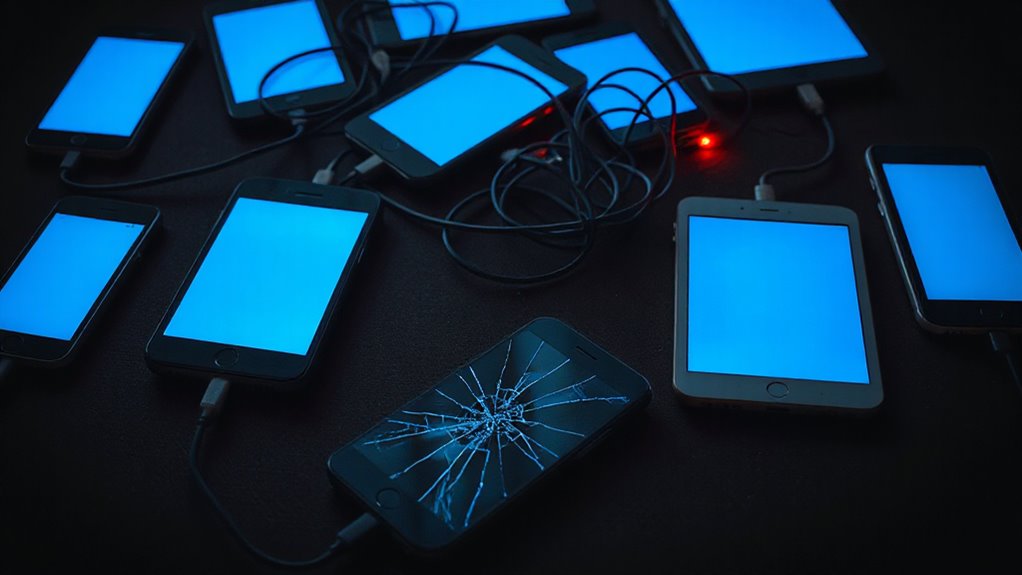
Productivity apps, despite their promise of streamlined work, often make notification overload considerably worse rather than better.
Rather than replacing older alerts, these platforms layer reminders, status updates, overdue warnings, and mentions on top of existing ones.
Multiple connected tools frequently send overlapping notifications for the same task, increasing duplication considerably.
When alerts become constant rather than exceptional, fatigue sets in quickly.
Users begin dismissing notifications without reading them, causing genuinely urgent items to get lost.
The average US smartphone user already receives 46 notifications daily, meaning productivity apps add to an already overwhelming baseline before a single work alert is counted.
Each additional interruption compounds the problem further, as refocusing after a task switch can take 15 to 25 minutes to fully return to the original work.
Recognizing this pattern encourages smarter configuration choices, such as consolidating tools, silencing low-priority alerts, and reserving notifications strictly for items requiring immediate attention. A useful step is implementing digital boundaries to limit checks and reduce constant interruptions.
What Research Actually Shows About Task Apps and Deadlines
Understanding the limits of notification overload is useful, but it raises a broader question worth examining: do productivity apps actually help users meet deadlines in the first place?
Research suggests a cautious answer. One 2026 intervention study found no significant reduction in procrastination among task-app users, despite modest improvements in goal-setting intention. Effective time management is often cited as the factor that drives improvements in focus and task completion.
Most available material focuses on features rather than measured outcomes like on-time submission rates.
Apps appear strongest at improving perceived organization, deadline visibility, and task breakdown. Tools such as Notion and Trello support this by allowing students to track assignments, deadlines, and progress within a single organised workspace.
However, evidence consistently indicates that apps work best when integrated into a broader planning routine, not treated as standalone solutions. A 2026 meta-analysis reported that time management produces a consistent positive effect on student learning outcomes.
Why Alert Dependence Undermines Missed Deadline Prevention
Even when productivity apps are set up thoughtfully, alert dependence can quietly work against the very outcomes they are meant to support.
Even the most thoughtfully configured productivity tools can silently undermine the very goals they were designed to achieve.
Repeated dismissal of reminders without follow-through gradually trains users to ignore future alerts.
When external prompts replace internal planning, responsibility shifts from proactive self-management to passive reacting.
A reminder that arrives before someone is ready to act can reinforce inaction rather than completion.
Over time, this pattern weakens the self-discipline and independent memory strategies that reliable deadline management actually requires.
Effective deadline prevention ultimately depends on personal readiness, not notification volume. Research suggests diminishing returns begin around three to five active notifications per hour, beyond which additional alerts add stress without improving follow-through.
Americans receive an average of 46 push notifications per day, making it increasingly difficult for any single alert to stand out or prompt meaningful action.
Short, scheduled interruptions and brief breaks like the Pomodoro Technique can restore attention and reduce the pressure created by constant alerts.
The Productivity App Setup That Actually Reduces Missed Deadlines
The risks of alert dependence do not mean productivity apps are ineffective—they mean the setup matters more than the tool itself.
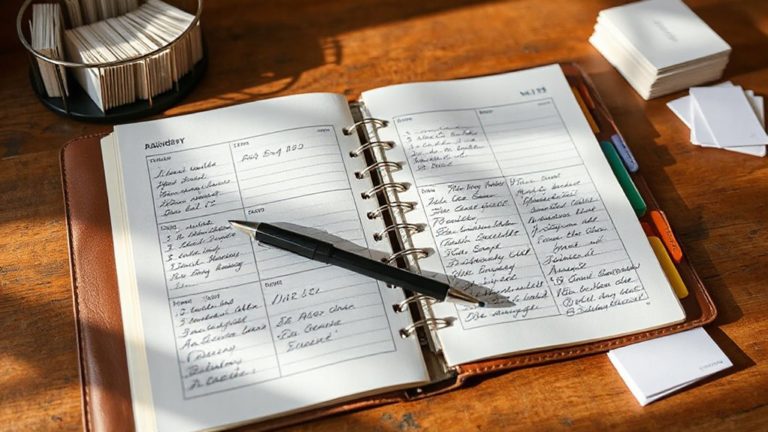
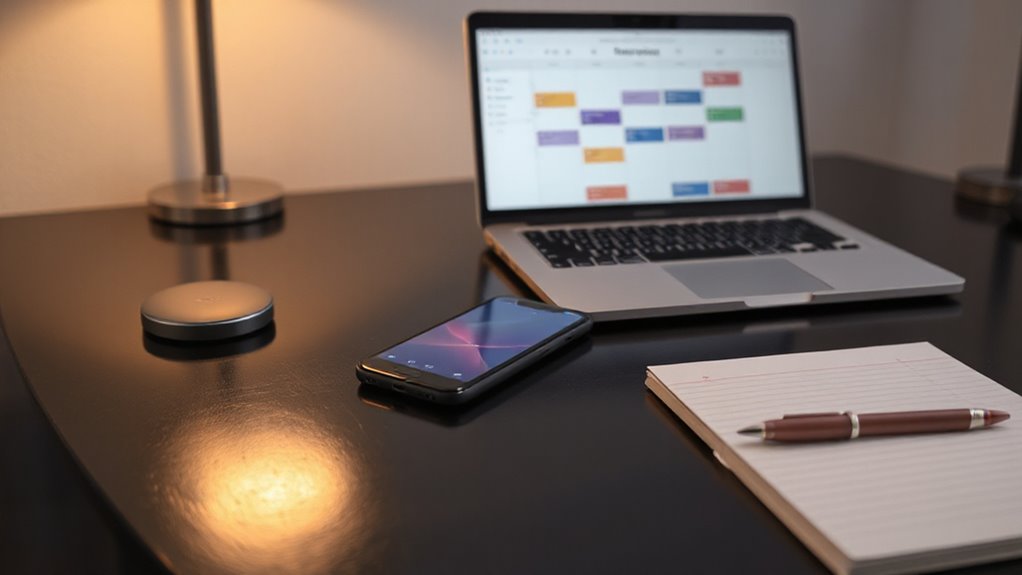
A reliable system combines one master task list, milestone-based reminders, and a fixed weekly review.
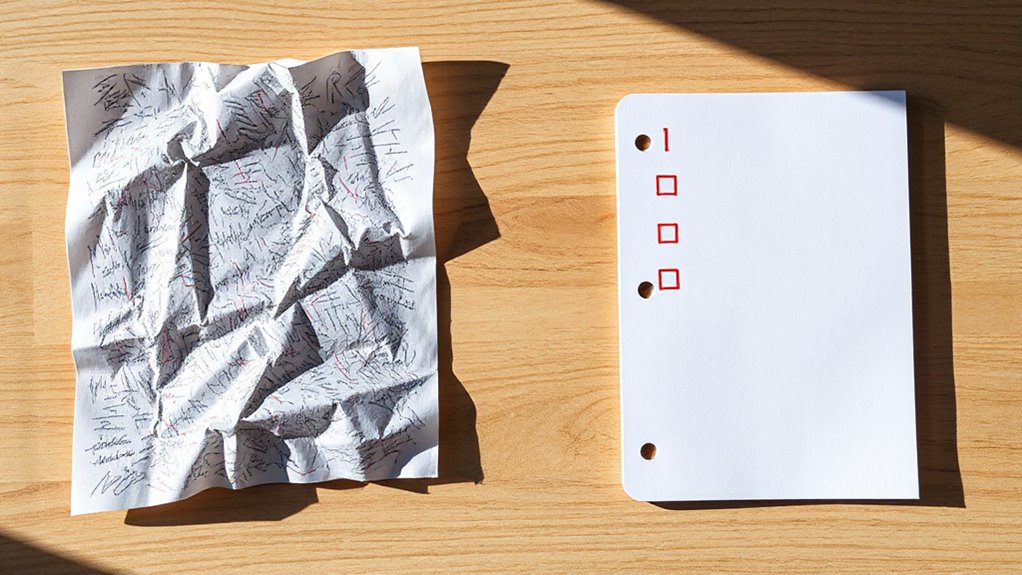
Breaking large deadlines into smaller checkpoints keeps progress visible before final due dates arrive. Visualizing steps with flowcharts can help clarify the sequence and responsibilities for those checkpoints.
Organizing tasks by project or context makes urgent items easier to identify.
Disabling nonessential notifications reduces fragmentation without eliminating necessary alerts.
When calendar entries stay synchronized and reminders target specific milestones rather than only final deadlines, the app supports consistent follow-through rather than reactive scrambling.
Tools that deliver reminders across multiple delivery channels—such as SMS, WhatsApp, email, and push notifications—reduce the risk of a single missed alert causing a missed deadline.
Research supports prioritizing SMS delivery, with studies showing SMS open rates reaching 98 percent compared to roughly 20 percent for email.