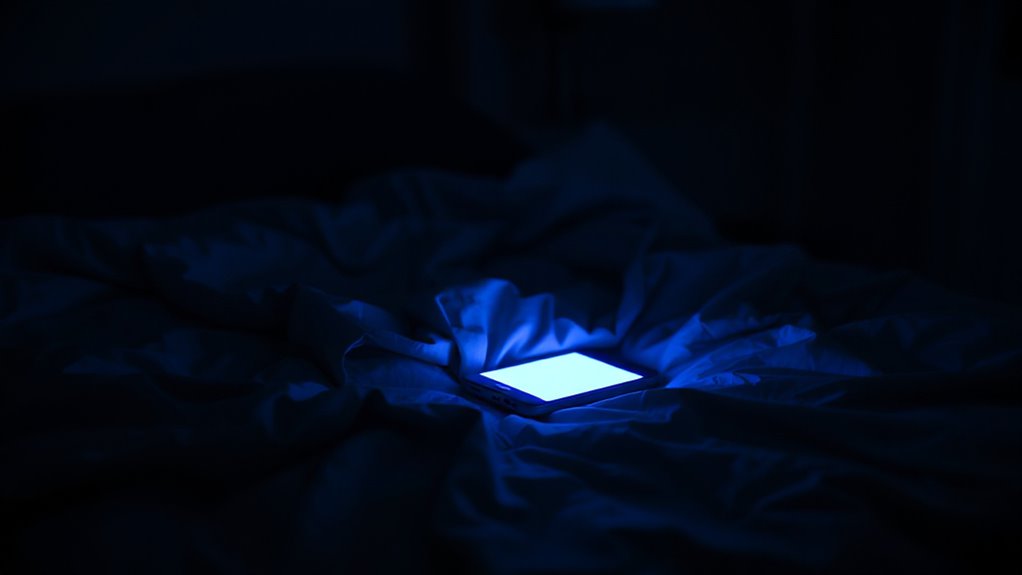
Why Doomscrolling Keeps Your Brain Wide Awake at Night?
Many people assume that scrolling through their phones before bed is a harmless way to wind down, but the brain tells a very different story. Unresolved stress and hypervigilance prevent the nervous system from returning to a neutral state, keeping the body primed for alertness rather than rest.
The brain’s threat system actively hijacks attention, making alarming content feel more manageable than sitting in silence. Researchers identify unresolved psychological arousal as a primary predictor of late-night wakefulness. Sleep disturbances are also common across disorders like depression and anxiety, further linking nighttime arousal to broader mental health risks.
Recognizing this pattern is the first meaningful step toward reclaiming restful, restorative sleep each night. Blue-wavelength light emitted by screens signals daytime to the brain, suppressing melatonin release and keeping the brain locked in a wake-promoting state well past intended sleep time.
The amygdala sends stress signals and urges continuous scanning for threats, making it especially difficult for the mind to settle into the quiet stillness that sleep requires.
How Screen Light From Doomscrolling Suppresses Melatonin?
While doomscrolling feels like passive relaxation, the light emitted by smartphone and tablet screens actively works against the body’s natural sleep preparation.
Screens emit strongly in the 460 to 480 nanometre blue-light range, a wavelength the brain interprets as daylight.
Smartphone screens flood the eyes with blue light — a wavelength the brain mistakes for midday sun.
This signal suppresses melatonin, the hormone responsible for triggering sleepiness.
Even modest exposure in a darkened bedroom can delay sleep onset by 30 to 90 minutes.
Encouragingly, small adjustments help.
Lowering screen brightness, enabling night mode, or stopping screen use 60 minutes before bed meaningfully reduces light reaching the retina, giving melatonin levels a better chance to rise naturally. Prefrontal inhibitory mechanisms also play a role in resisting the urge to continue scrolling when trying to wind down.
Beyond light alone, the stress hormones cortisol released in response to negative news content further signals the body to stay alert, compounding the delay in falling asleep.
Research indicates that smartphone blue light can suppress melatonin by up to 50 percent after two hours of exposure, underscoring how significantly extended bedtime scrolling sessions interfere with the body’s ability to prepare for sleep.
Why Bedtime Doomscrolling Is So Hard to Stop?
Stopping bedtime doomscrolling is genuinely difficult, and understanding why makes it easier to address.
The behavior is reinforced by variable rewards, where each swipe might deliver something new or emotionally charged, making the next scroll feel necessary.
Anxiety drives repeated checking, creating a cycle of reassurance-seeking that rarely satisfies.
Phones kept beside the bed remove any meaningful barrier between impulse and action, weakening self-control precisely when willpower is lowest.
Content is also structured without natural stopping points, so scrolling continues until exhaustion forces a pause.
The term doomscrolling gained widespread recognition during the COVID-19 pandemic, when compulsive consumption of distressing online content became a shared and documented experience.
Recognizing these mechanisms is the first step toward building intentional, protective boundaries around sleep. Studies show that 70% check social media from bed, highlighting just how normalized this habit has become before sleep.
Many users experience sleep disruption after late-night social media use, which can worsen mental health and create a destructive cycle.
Why You Wake Up Exhausted After Late-Night Scrolling?
Understanding why doomscrolling is so hard to stop is useful, but the consequences extend well beyond the difficulty of putting the phone down.
Late-night scrolling disrupts sleep architecture, producing lighter, more fragmented rest rather than sustained deep sleep.
This means someone can spend seven or eight hours in bed and still wake feeling exhausted.
Blue light delays melatonin release, stressful content keeps the nervous system activated, and each additional hour of screen use in bed is linked to roughly 24 fewer minutes of sleep.
That accumulated deficit quietly erodes next-day alertness, mood, and overall functioning. Insomnia symptoms increased by 59% with each additional hour of screen use after going to bed, according to a large study of over 45,000 university students.
Survey data shows that 25% of people missed a meeting, deadline, or shift as a direct result of bedtime scrolling, illustrating how disrupted sleep translates into measurable real-world consequences.
Regular physical activity also helps protect sleep quality by reducing overall stress and promoting deeper restorative sleep, especially when practiced consistently and at moderate intensity moderate exercise.
Simple Habits That Break the Bedtime Doomscrolling Cycle
Breaking the bedtime doomscrolling cycle rarely requires a dramatic overhaul of one’s nightly routine. Small, deliberate changes, applied consistently, can materially disrupt the habit.
Setting a screen cutoff 30 to 60 minutes before bed reduces stimulation at a critical time. Placing the phone across the room creates enough friction to interrupt automatic reaching.
Unfollowing stress-inducing accounts and disabling push notifications removes the content triggers that restart the cycle.
Replacing scrolling with reading, gentle stretching, or calming audio redirects the mind toward rest. Listening to relaxing music may encourage alpha brain wave activity, supporting a smoother transition from wakefulness to deep sleep.
A simple 20-minute routine, anchored to an existing cue like brushing teeth, builds lasting change efficiently. Sitting in silence for 15 minutes before bed can further calm the mind and improve sleep onset by promoting relaxed alertness. Sites experiencing a 404-error page still render full header and footer navigation modules, meaning familiar support sections remain accessible even when the intended content cannot be found.