







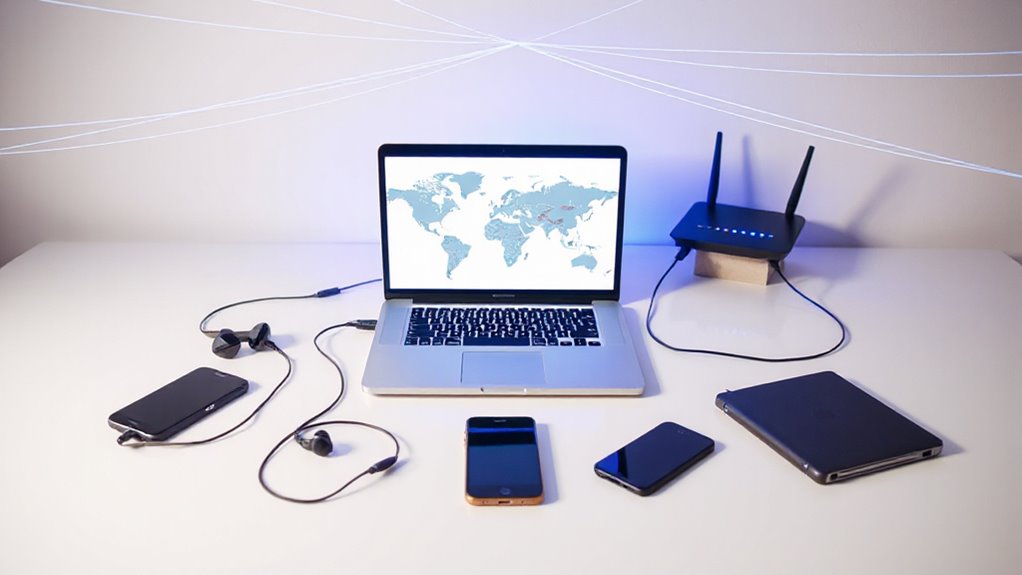
Managing teams across different locations requires establishing structured communication protocols, implementing flexible scheduling systems that respect multiple time zones, and prioritizing asynchronous collaboration tools to reduce meeting conflicts. Leaders should focus on outcome-based performance metrics rather than process management, while creating clear role definitions and assigning directly responsible individuals for each task. Building trust through virtual social activities, transparent leadership, and exhaustive onboarding helps combat the isolation that affects 27% of remote workers. Strategic approaches to distributed team management enable greater productivity and engagement.

How can organizations maintain effective teamwork when employees are scattered across different cities, countries, or even continents? Managing distributed teams requires deliberate strategies that address unique challenges while leveraging technology and clear communication practices to build cohesive, productive work environments.
Communication stands as the foundation of successful distributed teams, with miscommunication affecting 86% of these organizations. Structured workflows, clear agendas, and prioritized written communication substantially improve effectiveness across locations. Utilizing task organizers can further enhance communication clarity and task tracking.
Structured workflows and clear written communication form the backbone of effective distributed team collaboration across multiple locations.
Asynchronous communication platforms reduce time zone impacts while preventing burnout, allowing team members to contribute meaningfully regardless of their geographic location. Public project boards ensure deadline visibility and create social accountability, keeping everyone aligned on progress and expectations.
Time zone coordination presents ongoing challenges, with approximately 30% of meetings spanning multiple zones and late-night meetings increasing by 16% annually. This scheduling pressure contributes to employee stress and reduces morale.
Organizations can mitigate these issues through flexible scheduling that respects personal time zones, shared calendars, and strategic use of asynchronous updates to minimize conflicts while maintaining collaboration quality. Establishing a 2-3 hour overlap window enables essential collaboration without overloading schedules.
Building trust and culture requires intentional effort, especially considering that only 21% of employees feel strongly engaged in 2025, with 27% of remote workers reporting isolation. Virtual social activities, thorough onboarding processes, and transparent leadership help foster connection and reduce disconnection.
Emphasizing team purpose and collective goals improves motivation despite physical separation, creating shared identity across distributed locations. Modern leadership must evolve to prioritize outcome-based performance over traditional process management to drive effectiveness in remote environments.
Technology selection should prioritize team dynamics over impressive features. AI-powered collaboration platforms and centralized infrastructure support consistent workflows, payroll, and compliance across locations.
However, optimizing existing technology usage often proves more impactful than acquiring new tools, focusing resources on clarity and inclusion rather than constant upgrades.
Accountability thrives through explicit role definitions and designated ownership for each deliverable. Assigning a Directly Responsible Individual for tasks prevents ambiguity and missed deadlines while maintaining clear expectations.
Effective metrics focus on impact through delivery timeliness, output quality, and team engagement rather than hours worked, aligning performance with business goals and supporting distributed team success through outcome-based evaluation systems.
Frequently Asked Questions
What Time Zone Should Be Used for Company-Wide Deadlines and Meetings?
Companies should establish deadlines using their headquarters’ time zone or select a central zone that minimizes inconvenience for the majority of team members. This unified approach prevents confusion and reduces missed deadlines caused by time zone miscalculations.
For meetings, organizations should designate core hours that maximize overlap between distant locations, typically spanning two to four hours daily. Additionally, they should rotate meeting times to distribute scheduling burdens fairly across all regions.
How Do You Handle Employee Onboarding for Remote Team Members?
Organizations should establish structured, documented onboarding plans that increase remote employee productivity by 50%.
Assigning onboarding buddies with weekly check-ins proves highly effective, with 97% of employees benefiting from regular contact during their first 90 days.
Companies must prioritize frequent live video interactions and make culture visible through decision-making walkthroughs.
Streamlining administrative tasks and integrating AI support tools enhances the remote onboarding experience considerably.
What Legal Considerations Exist When Hiring Employees in Different Countries?
Hiring employees internationally requires maneuvering complex legal frameworks across multiple jurisdictions. Organizations must secure proper work visas and permits, complete mandatory employment verification forms, and comply with dual employment laws from both home and host countries.
Essential considerations include adherence to local labor benefits, social insurance obligations, anti-discrimination regulations, and data protection requirements. Written employment contracts in appropriate languages ensure legal enforceability and clarity.
How Can You Maintain Company Culture Across Geographically Dispersed Teams?
Maintaining company culture across geographically dispersed teams requires systematic recognition programs and clear communication practices. Organizations should implement values-aligned appreciation that reaches all team members, not just internal cliques.
Managers must respond quickly to concerns, provide regular coaching, and establish clear expectations through documented processes.
Asynchronous communication tools enable cross-timezone collaboration, while consistent participation opportunities prevent isolation and strengthen cultural connections among remote employees.
What Budget Adjustments Are Needed for Managing Distributed Teams Effectively?
Organizations must allocate 15% of technical budgets specifically for remote collaboration tools while consolidating HR and payroll systems to eliminate duplicate costs.
Companies should dedicate 15-20% of development capacity to technical debt management and implement strategic cloud spending controls, as 72% exceed allocated budgets.
Establishing clear budget ownership across finance, engineering, and business teams prevents the 47% project budget losses typical in organizations lacking proper stakeholder alignment.
Related Posts