






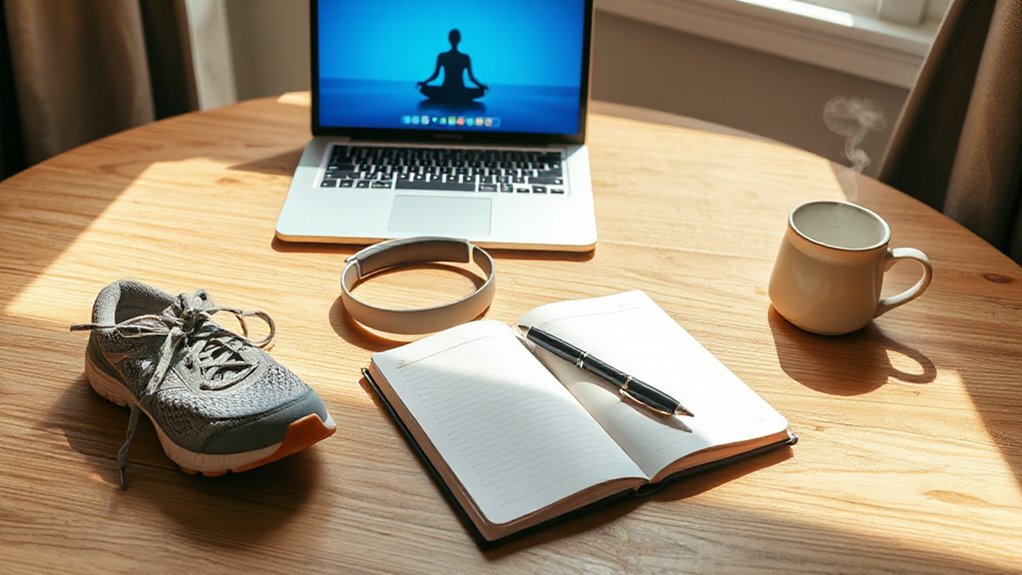
Effective stress reduction combines physical activity, mindfulness practices, and healthy lifestyle choices that work together to calm both mind and body. Regular exercise releases mood-boosting endorphins, while deep breathing techniques and meditation provide immediate relief from tension and anxiety. Building supportive relationships offers emotional buffering against daily pressures, and maintaining adequate sleep plus proper nutrition strengthens overall resilience. These evidence-based strategies create a thorough approach that addresses stress at its source, and implementing them consistently can transform how one responds to life’s challenges.
Why does stress seem to pervade every aspect of modern life, leaving countless individuals feeling overwhelmed and depleted? The answer lies not in accepting stress as inevitable, but in understanding that effective stress reduction strategies are both accessible and scientifically proven to work.
Physical activity stands as one of the most powerful tools for combating stress. Exercise triggers the release of endorphins and other neural chemicals that naturally boost mood and well-being. Whether someone chooses aerobic activities, yoga, walking, swimming, or gardening, the benefits remain consistent. Even individuals who consider themselves non-athletes or out of shape can experience significant mental health improvements through moderate, consistent physical activity. The key lies in refocusing the mind on body movements, which naturally reduces mental irritation and anxiety. Additionally, integrating AI automation techniques can help reduce time spent on repetitive tasks, allowing more time for physical activity and stress management.
Physical activity serves as a powerful stress-fighting tool, triggering endorphins and naturally boosting mood through consistent, moderate movement.
Mindfulness and meditation techniques offer another proven pathway to stress relief. Mindfulness-Based Stress Reduction programs teach participants meditation, body scanning, and gentle yoga to increase present-moment awareness. These practices interrupt automatic stress reactions by promoting measured, non-judgmental awareness of emotions and thoughts. Guided meditation, visualization, and breathing exercises can be practiced anywhere to induce calm and balance, with scientific studies confirming their effectiveness in reducing psychological stress and anxiety.
Breathing exercises and relaxation methods provide immediate stress relief. Slow, deep, controlled breathing effectively halts the stress response and restores mental focus and energy. Progressive muscle relaxation, which involves tensing and releasing muscle groups, reduces tension headaches, fatigue, and anxiety. Combining breathing techniques with relaxation exercises deepens the sense of calm and enhances stress resilience.
Social support plays a vital role in stress management. Maintaining supportive relationships buffers against stress and supports emotional health, while building connections at work and socially reduces feelings of overwhelm and isolation. These networks enhance resilience through shared coping and emotional validation. Research shows that stress reduction techniques have secured a role in workplace wellness programs, demonstrating their value in professional environments.
Finally, healthy lifestyle habits form the foundation of effective stress management. Adequate sleep remains essential for cognitive function, while a balanced, nutritious diet positively influences mood and reduces stress susceptibility. Research shows that weekly changes in mindfulness levels correlate with reductions in perceived stress, demonstrating the measurable benefits of consistent practice. Avoiding excessive alcohol and limiting exposure to distressing news or social media content further decreases anxiety and mental fatigue. Employing intelligent tools that learn from patterns can also help streamline daily routines, contributing to overall stress reduction.
Frequently Asked Questions
What Are the Physical Warning Signs That Stress Levels Are Becoming Dangerous?
Dangerous stress levels manifest through severe physical symptoms requiring immediate attention. Persistent chest pain, especially with dizziness or sweating, demands medical evaluation as it may indicate Takotsubo syndrome.
Chronic headaches, muscle tension, and jaw pain signal escalating stress.
Cardiovascular symptoms like palpitations, high blood pressure, and breathing difficulties warrant concern.
Frequent infections, gastrointestinal distress, extreme fatigue, and sleep disturbances indicate the body’s stress response systems are overwhelmed.
How Long Does It Typically Take to See Results From Stress Reduction Techniques?
Most individuals begin experiencing stress relief within a few weeks of implementing reduction techniques consistently.
Therapy typically shows initial improvements after several sessions, with significant progress occurring within 8-12 sessions.
Mindfulness-based stress reduction programs demonstrate measurable benefits within 4-8 weeks, while regular exercise can reduce stress levels within weeks of establishing consistent routines.
Time management strategies often provide relief within days to weeks of implementation.
Can Certain Foods or Supplements Help Reduce Stress Naturally?
Certain foods and supplements can effectively reduce stress through natural mechanisms. Anti-inflammatory foods like turmeric, ginger, and wild salmon lower systemic inflammation while supporting brain health.
Adaptogenic herbs such as ashwagandha and rhodiola help regulate cortisol levels and improve stress resilience.
Essential nutrients including magnesium, B-complex vitamins, and vitamin D3 directly support nervous system function and anxiety reduction, offering measurable stress relief within weeks.
Is It Normal to Feel More Stressed When First Trying Relaxation Techniques?
Experiencing increased stress when beginning relaxation techniques is completely normal and expected. Initial discomfort occurs because heightened awareness brings attention to previously unnoticed tension and anxiety.
Deep breathing may cause temporary dizziness, while progressive muscle relaxation can trigger emotional release or physical soreness. These responses diminish with consistent practice as the body adapts, ultimately leading to significant stress reduction over time.
When Should Someone Consider Professional Help for Managing Their Stress Levels?
Someone should consider professional help when stress markedly interferes with daily functioning, relationships, or work performance.
Warning signs include persistent sleep problems, physical symptoms like headaches or digestive issues, overwhelming anxiety, or reliance on unhealthy coping mechanisms.
If self-help strategies prove insufficient or suicidal thoughts emerge, immediate professional intervention becomes essential for restoring mental health and developing effective stress management skills.
Related Posts