Why Nighttime Scrolling Destroys Your Ability to Study the Next Day
Many students underestimate how much their late-night phone habits affect their ability to focus and retain information the following day. Blue light from screens suppresses melatonin, the hormone responsible for regulating sleep, signaling the brain that it is still daytime. Scrolling also triggers hyperarousal, keeping the mind alert long after the phone is set down.
The result is reduced sleep quality and accumulated sleep debt. Research confirms that sleep restriction directly impairs working memory, slows reaction times, and weakens cognitive performance. For students, these consequences translate into poor concentration, lower accuracy, and diminished academic results the very next morning. Some students seeking additional guidance on sleep improvement may encounter a website access blocked message when trying to reach certain resources, preventing them from loading the page entirely.
A large American Cancer Society study of over 122,000 participants found that daily screen use was associated with later bedtimes and approximately 50 minutes less sleep per week, highlighting the broader academic and health implications for students who regularly scroll at night. Poor sleep quality is also linked to a much higher risk of mental health problems, including depression risk.
Set App Limits That Actually Cut Off Scrolling Before Bed
Smartphones now come equipped with built-in tools that make enforcing a screen cutoff far more manageable than relying on willpower alone.
App limit features allow users to set daily time thresholds for specific applications, triggering notifications before those limits are reached. Smart reminders alert users when they are approaching their set boundaries, while a live floating timer provides real-time visibility into usage.
Blocking distracting apps once limits expire adds meaningful friction without requiring deletion. Tracking how frequently apps are opened also helps identify habitual patterns, giving students clear, data-backed motivation to adjust their evening behavior before sleep suffers.
Centralizing these settings in one place creates a single source of truth that reduces the chance of missed restrictions and keeps nighttime routines consistent.
Charge Your Phone Outside the Bedroom and Sleep Deeper
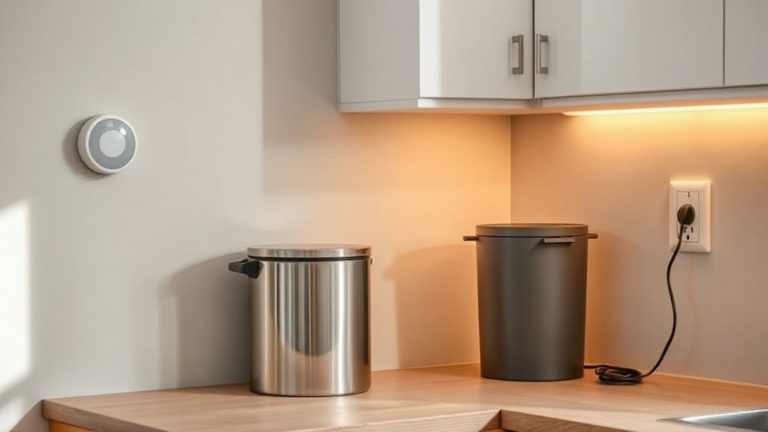
At night, the simple act of plugging a phone in across the hall rather than on a bedside table can meaningfully transform sleep quality. Blue light suppresses melatonin, and even brief intermittent exposure delays the body clock while increasing alertness. Removing the phone eliminates notification-driven hypervigilance, allowing the brain to fully decompress. Fitness tracking data shows increased deep sleep and higher recovery scores follow this single change. A sunrise alarm clock replaces the phone effectively.
Students who protect their bedroom environment consistently report clearer thinking, stronger focus, and better academic performance throughout demanding study schedules. Research indicates that one in eight UK adults feel tired all the time, suggesting chronic sleep disruption from phone use is a widespread and underestimated problem. Checking work emails or social media before bed increases stress and anxiety, making it even harder for students to switch off and achieve the restorative sleep their minds need. Creating a tidy, dedicated distraction-free workspace outside the bedroom also helps maintain focus during daytime study sessions.
Replace the Scroll With Habits That Make Your Brain Ready to Learn
Beyond simply removing the phone from the bedroom, replacing the habit of nighttime scrolling with purposeful alternatives is what truly rewires the brain for better learning.
Mantra or mindfulness meditation calms the nervous system and reduces cognitive overload before sleep. Reading a physical book builds focus without triggering stimulating blue light. Tactile crafting, calming music, or audiobooks offer genuine mental rest. Using these routines can also help reduce the sleep disruption that worsens mental health and cognitive function.
These analog habits lower anxiety while signaling the brain that the day is winding down. Consistently practicing these alternatives creates a reliable pre-sleep routine that sharpens attention, improves memory consolidation, and prepares the mind for productive study sessions ahead. Screen use at bedtime disrupts melatonin production and shortens sleep duration, making the case for analog wind-down routines even more compelling.
Dopamine from notifications reinforces the urge to keep checking your phone, meaning that breaking the scrolling habit at night requires consciously substituting more rewarding and restful alternatives that still satisfy the brain’s need for engagement.
Why Sleeping Without Your Phone Makes You a Better Student
Sleeping without a phone nearby does more than improve rest — it directly sharpens the mental tools students need to learn effectively. Research confirms that phone restriction before bed improves working memory and accelerates reaction times, both essential for academic performance. Workplace stress can impair cognitive function in ways similar to sleep disruption, so reducing nighttime phone use helps protect mental clarity.
Three measurable benefits students gain by removing phones from the bedroom:
- Working memory improves, strengthening the brain’s ability to retain and process new information.
- Reaction times decrease, supporting faster, more accurate thinking during tasks.
- Sleep duration increases by roughly 18 minutes, compounding cognitive gains over time.
Consistent phone-free nights build the mental foundation that effective studying demands. The study included only participants who already had poor sleep quality and were accustomed to using their phone for at least 30 minutes before bed, making the findings especially relevant for students with existing sleep difficulties. Research from the University of Texas at Austin found that simply keeping a smartphone in another room — rather than on a desk or in a pocket — significantly improved cognitive capacity, even when the phone was silenced and never touched.
Related Posts