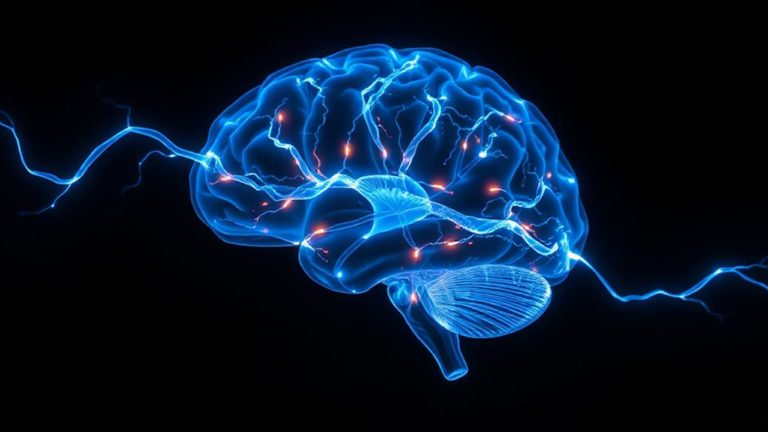
Why do intelligent, capable individuals consistently delay important tasks despite knowing the consequences? The answer lies not in character flaws or laziness, but in the brain’s sophisticated emotional-protection system working overtime to shield us from psychological discomfort.
Procrastination functions as an emotional-avoidance mechanism rather than a productivity problem. When individuals encounter tasks that trigger anxiety, boredom, or fear of failure, their brains automatically seek immediate mood repair through more pleasant activities. This releases dopamine and creates powerful reinforcement cycles that strengthen avoidance behaviors over time. The temporary stress relief feels rewarding in the moment, even though approaching deadlines ultimately intensify anxiety and perpetuate the cycle. Developing a clear project plan scope can help break tasks into manageable parts and reduce overwhelm.
Procrastination serves as the brain’s emotional shield, creating dopamine-driven avoidance cycles that provide temporary relief while intensifying long-term anxiety.
Neuroscience reveals that procrastination stems from an imbalance between emotion-driven limbic responses and the prefrontal cortex’s planning functions. When stress or fatigue reduces prefrontal engagement, emotional avoidance dominates decision-making about task initiation. Brain imaging studies demonstrate differential activation patterns when people choose immediate versus delayed rewards, highlighting how reward circuitry influences procrastinatory behavior.
Chronic procrastination correlates with structural differences in brain regions responsible for self-regulation, including reduced prefrontal gray matter in some cases. During periods of high stress, the amygdala triggers intense emotional responses that override rational planning abilities.
Research identifies clear personality correlates that distinguish procrastination from simple laziness. Lower conscientiousness and higher neuroticism predict greater procrastinatory tendencies, while individuals with stronger self-discipline and autonomous motivation show reduced delays. Studies consistently demonstrate that procrastination negatively correlates with self-control and self-regulation, indicating that strengthening these psychological capacities can reduce avoidance behaviors.
Temporal discounting, where present bias makes future rewards feel less motivating, explains why immediate emotional relief consistently outweighs long-term benefits of task completion.
Understanding procrastination as an urgent signal from an overwhelmed emotional system opens pathways for effective intervention. Instead of self-criticism, individuals can recognize avoidance as their brain’s attempt to manage psychological stress.
Strategies that address underlying emotions—such as breaking tasks into smaller components, managing perfectionist expectations, and developing stress-tolerance skills—prove more effective than willpower-based approaches.
Procrastination research consistently shows that this behavior reflects active emotional regulation rather than passive inactivity. Recognizing procrastination as the brain’s SOS signal for emotional support transforms shame into understanding, enabling individuals to develop compassionate, science-based strategies for overcoming avoidance patterns and achieving their goals.