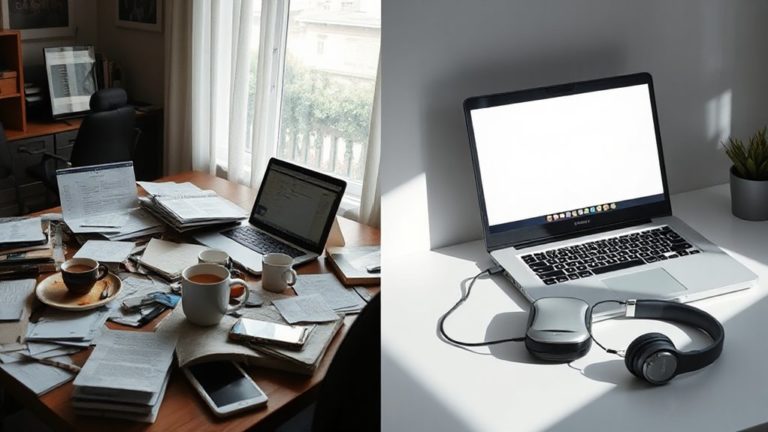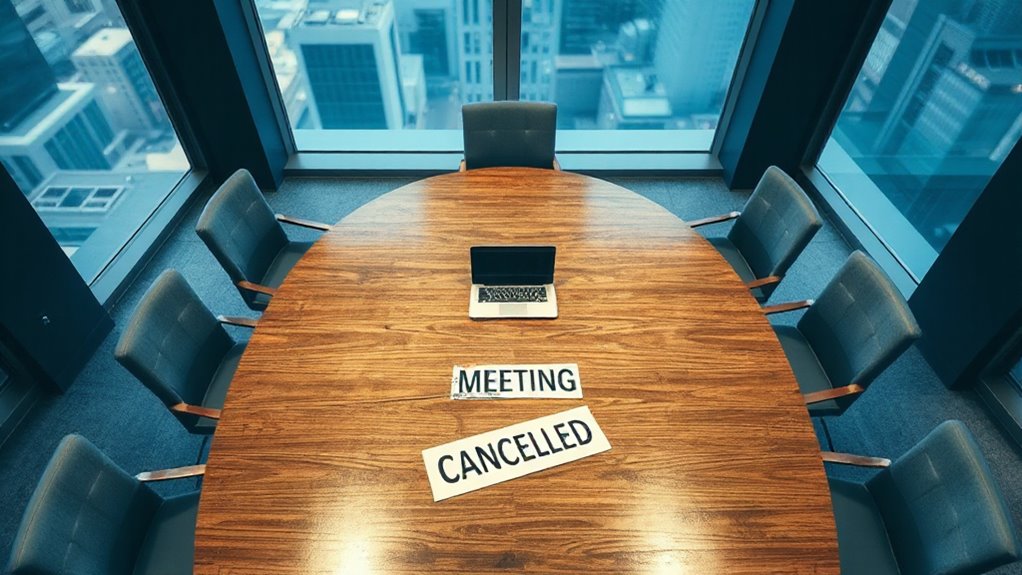
In the modern workplace, meetings have become a relentless drain on productivity, consuming an average of 11.3 hours per week—nearly a third of the typical workweek. The problem has intensified dramatically since 2020, with meeting frequency tripling due to hybrid and remote work arrangements. Remote workers now attend 50% more meetings than their office counterparts, while executives spend up to 23 hours weekly in conference rooms and video calls. This proliferation represents more than inconvenience—it fundamentally undermines the ability to accomplish meaningful work.
The productivity toll is staggering and well-documented. Sixty-five percent of workers report that meetings prevent them from completing actual work, while 68% lack uninterrupted focus time because of constant scheduling demands. These interruptions carry significant financial consequences, costing the US economy $532 billion annually in lost productivity. Beyond the financial impact, meetings consume 392 hours per employee each year—time that could otherwise be dedicated to deep, focused work that drives innovation and results. The cost extends beyond time, averaging $29,000 per employee annually in meeting-related expenses. Strong workplace communication also plays a role in reducing wasted time and errors by improving clarity and alignment with measurable outcomes.
The solution lies not in optimizing meetings but in dramatically reducing their frequency. Companies implementing two no-meeting days per week have achieved remarkable outcomes, reducing meetings by 40% while increasing productivity by 71%. Forty-seven percent of surveyed organizations successfully adopted this approach, with 35% going further to institute three no-meeting days. These meeting-free periods deliver measurable benefits beyond productivity gains, including improved autonomy, enhanced communication, greater employee engagement, and reduced micromanagement and stress.
The evidence supporting this approach is compelling. Even hybrid work arrangements have revealed that up to one-third of meetings are unnecessary, suggesting substantial room for elimination rather than refinement. While 55% of employees believe meetings enhance productivity, 74% advocate for fewer of them—a clear indication that quality matters more than quantity. The meeting epidemic has pushed most work outside business hours, with employees now completing real work before 9am and after 6pm while daytime remains dominated by video calls and conference rooms. Organizations serious about reclaiming deep focus should stop trying to perfect their meeting culture and start cutting meetings altogether. The path to productivity doesn’t require better agendas or more efficient facilitation; it demands the courage to eliminate meetings and return uninterrupted time to employees who need it most.