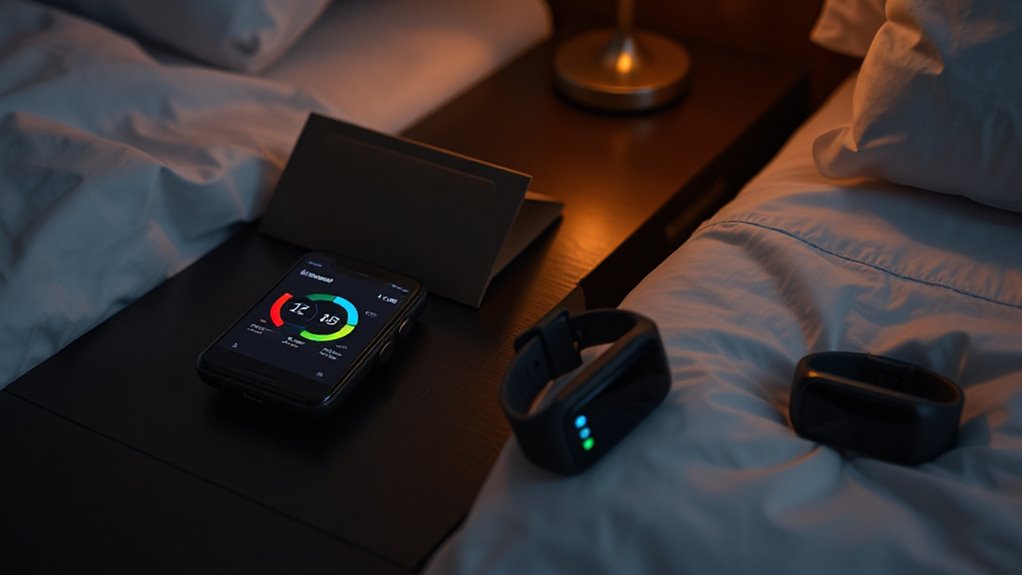
How effectively can modern technology transform the way people understand and improve their sleep quality? The explosive growth of sleep tracking technology reveals that major corporations recognize sleep as a critical driver of human performance, with the global sleep tracking devices market projected to reach $58.21 billion by 2030, representing an impressive 11.7% compound annual growth rate.
Big Tech companies are investing heavily in sleep optimization because they understand a fundamental truth: quality sleep directly correlates with peak productivity. Apple’s latest sleep tracking improvements demonstrate this commitment, with their devices now achieving 68% accuracy in deep sleep detection and 79% in awake state monitoring. These advances aren’t coincidental—they reflect the understanding that sleep data provides vital insights into cognitive performance, decision-making abilities, and overall work efficiency.
Quality sleep isn’t just rest—it’s the foundation of peak cognitive performance and superior decision-making abilities in competitive environments.
The technology landscape offers unprecedented opportunities for individuals to harness professional-grade sleep monitoring. Wearable devices, expected to account for 72% of the sleep tracking market in 2025, utilize artificial intelligence and machine learning to deliver personalized recommendations. With over 150 million sleep tracking units shipped in 2025 alone, consumers are gaining access to tools previously reserved for research laboratories.
Revolutionary innovations like the Dreem 3S headband, which received FDA clearance for EEG-based monitoring, and WillSleep devices showing 82% sleep quality improvements demonstrate the practical benefits of modern sleep technology. These devices don’t merely collect data—they provide actionable insights that directly impact daily performance. Personal sleep improvement applications now represent 85% of market demand as consumers increasingly seek accessible and actionable sleep analysis tools.
The health implications extend far beyond feeling rested. Advanced AI models like SleepFM can predict serious health risks including dementia and heart disease with remarkable accuracy, transforming sleep tracking from a wellness trend into a preventive health strategy.
For productivity-focused individuals, the message is clear: sleep tracking represents a competitive advantage. With 35.5% of American adults sleeping less than the recommended seven hours nightly, those who optimize their sleep through technology gain measurable benefits in concentration, creativity, and decision-making. The Asia Pacific region is projected to achieve the fastest growth rate in sleep tracking adoption, driven by rapid urbanization and increasing health awareness among emerging economies.
The integration of sleep tracking with mobile applications creates seamless monitoring experiences, making it easier than ever to identify patterns and implement improvements that translate directly into enhanced professional performance.