Why Good Ideas Disappear Before You Can Capture Them?
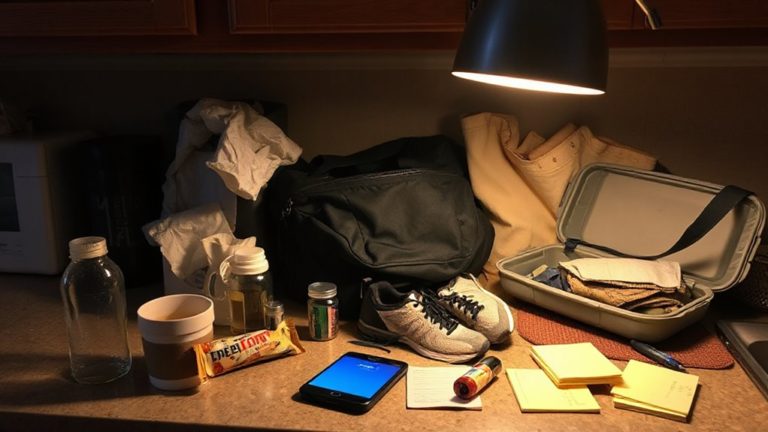
Although the human mind generates ideas constantly, it is surprisingly poor at holding onto them.
Working memory is limited, meaning a fresh idea can vanish the moment attention shifts elsewhere.
Early-stage ideas exist as fragile mental fragments, not complete thoughts, making them especially vulnerable to interruption.
When another stimulus arrives before the idea is rehearsed or recorded, short-term retention often fails entirely.
Delay is the primary culprit.
The longer someone waits between noticing an idea and capturing it, the greater the risk of permanent loss.
Relying on memory alone, no matter how sharp, is simply an unreliable strategy.
The brain’s constant multitasking and rapid data turnover make it structurally difficult to hold onto spontaneous thoughts without an immediate capture method in place.
The mind produces hundreds of thoughts per minute, meaning even a genuinely valuable idea can be swept away before it has any chance to take root.
In these moments the lateral prefrontal cortex must quickly suppress competing inputs to preserve the fragile idea.
How to Set Up a Fast Idea Capture System in 30 Seconds
Setting up a fast idea capture system does not require complex tools or elaborate planning—it requires the right defaults made in advance. Regularly testing how the system performs under real-world pressure can reveal weak spots stress tests.
A single note-taking app, pinned to the home screen or accessible from the lock screen, eliminates the friction that causes ideas to disappear.
Three basic categories—such as blog topics, social posts, and personal insights—provide enough structure without slowing entry.
Each idea needs only one line and a timestamp.
Voice notes work when typing feels slow. Zero-friction capture is the only constraint that matters at the moment an idea arrives, meaning no choosing folders, selecting tags, or writing titles should be required.
When your fingers can’t keep up with your thoughts, let your voice do the capturing instead.
Establishing these defaults once means the system activates instantly when a thought arrives, keeping the entire capture process under thirty seconds. Deciding to remember an idea later is the single habit responsible for losing the majority of ideas before they are ever recorded.
How to Capture Ideas Hands-Free During Your Commute
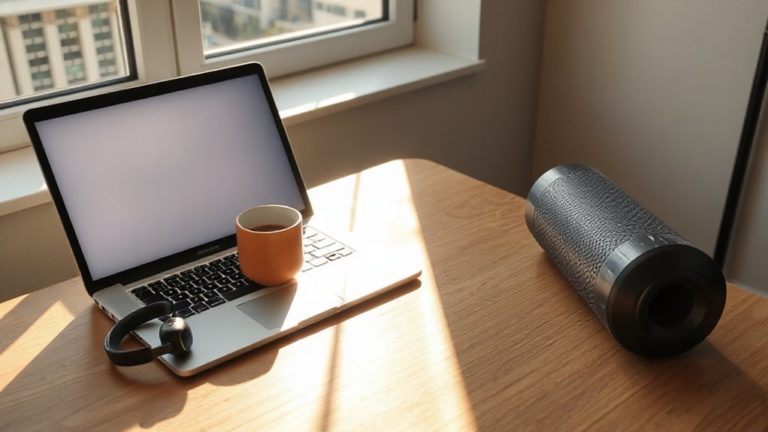
Commuting offers more idea-generating time than most people recognize, and capturing those ideas without touching a screen is entirely achievable with the right setup. Daily AI users experience 64% higher productivity, so pairing voice capture with AI transcription speeds up idea processing. Siri and Google Assistant allow drivers to create reminders or notes using voice alone, requiring no screen interaction.
Wearable recorders like Just Press Record activate with a single tap and remain accessible in a pocket or on a wrist. Earbuds connected to a phone provide sufficient audio quality for longer thoughts. Every method prioritizes hands-free operation.
After the commute ends, recordings are transcribed and routed into a trusted system for review and action. Distracted driving caused 391,000 injuries in 2015 alone, making hands-free capture not just a convenience but a genuine safety priority.
Apps like Cosmonote deliver automatic voice transcription in seconds, making it faster to scan and act on captured ideas than to replay audio recordings.
How to Capture Shower Ideas Before They Disappear
Among the most frustrating experiences for creative thinkers is watching a promising idea dissolve within minutes of stepping out of the shower. Fortunately, simple tools can prevent that loss.
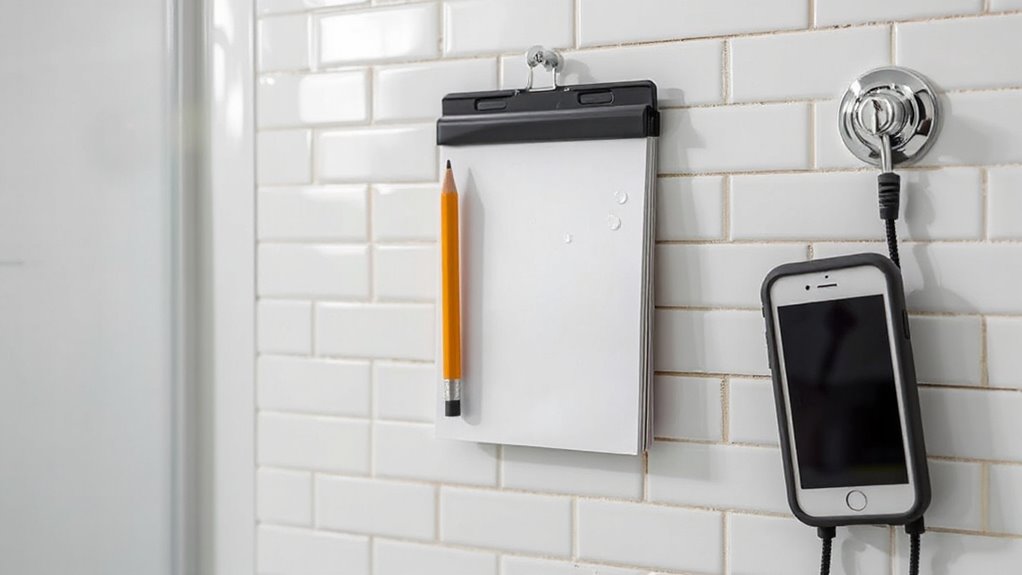
A waterproof notepad mounted within arm’s reach allows quick writing before the thought fades. Voice memos work equally well when hands are occupied. Bath crayons offer another option, turning tile or mirrors into temporary surfaces. Keeping a single dedicated inbox for captured ideas helps prevent clutter and ensures centralized storage for later review.
Regardless of the tool chosen, brevity matters most: three to seven words capture the essence without delay.
After drying off, transferring that fragment immediately into a single dedicated inbox keeps the idea safe for later development. Photographing any notes written on shower walls ensures they are preserved before water washes them away, making pictures a safeguard against losing the idea entirely. Apps such as Evernote or Google Keep allow ideas to be saved immediately after stepping out, giving fleeting thoughts a home before they fade from memory.
Related Posts