When You Have No Energy for Hobbies
For those journeying chronic fatigue, illness, or prolonged exhaustion, the idea of pursuing a hobby can feel paradoxical—even counterproductive.
When energy is severely limited, choosing an activity that matches current capacity rather than idealized productivity becomes essential.
Gentle hobbies—quiet, seated, slow, or repetitive—work best because they reduce both physical effort and cognitive demand.
Familiarity also plays a meaningful role; revisiting a comfort book or a repeated playlist requires far less mental energy than exploring something new.
The goal is not achievement but sustainability, selecting activities that remain interruptible and easy to stop when fatigue or overstimulation increases unexpectedly. Hobbies feel exhausting when expectations such as productivity, improvement, or monetization become attached to them, removing their restorative effects entirely. On the most difficult days, even low-energy activities must be chosen carefully based on symptom profile, as high pain, sensory overload, or heavy brain fog each call for a different kind of gentleness. Adding small, manageable routines and consistent coping skills like mindfulness can support steadier recovery.
Low-Energy Hobbies That Actually Feel Good to Do
When low energy becomes a persistent reality rather than a temporary state, the search for activities that feel genuinely rewarding—rather than merely tolerable—takes on real importance.
Certain hobbies consistently deliver that satisfaction. Jigsaw puzzles offer visible progress without demanding sustained intensity. Crocheting and knitting provide calming, repetitive motion that quietly builds something tangible. Coloring and paint-by-number reduce creative pressure while still producing a finished result.
Even plant care and birdwatching introduce gentle structure and small observational rewards. What unites these options is their ability to create a genuine sense of completion, making them worth considering seriously. For those drawn to something more guided, diamond art kits include all the essential tools needed to place colored beads onto a numbered canvas.
Research suggests that hobbies benefit overall health, with studies describing the evidence as convincing for improvements in life satisfaction and happiness. Adding simple, low-pressure activities can also support mental health by improving mood and resilience.
How to Start a New Hobby on Your Worst Days
Starting a hobby on a difficult day is less about motivation and more about removing the obstacles that make beginning feel impossible. Research shows that procrastination often serves as an emotion regulation strategy, so framing the start as low-pressure can bypass avoidance.
Starting a hobby on hard days is not a motivation problem. It is an obstacle problem.
A two-to-ten minute trial replaces the pressure of a full session, making starting feel manageable rather than demanding.
Choosing one clear first step, such as a single coloring page or a short walk, reduces decision fatigue considerably.
Keeping supplies visible and accessible lowers friction before it builds.
Treating the attempt as exploration rather than commitment removes perfectionism entirely.
Matching the activity to the specific type of exhaustion, whether mental, physical, or emotional, increases the likelihood of following through.
Consistency matters more than intensity, so beginning with 15 minutes daily builds a sustainable habit without overwhelming an already difficult day.
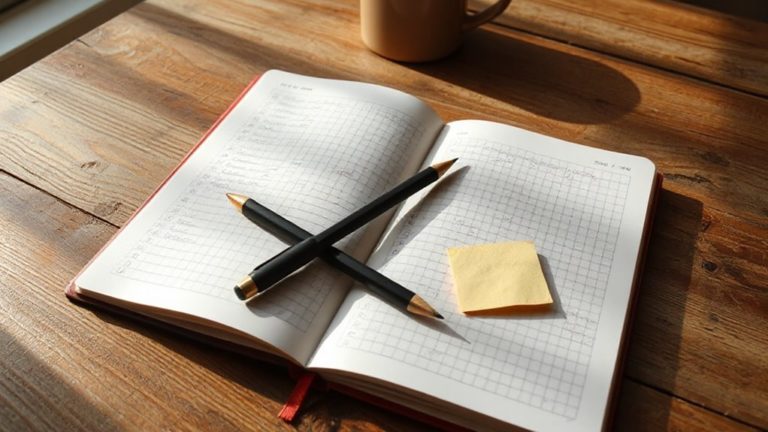
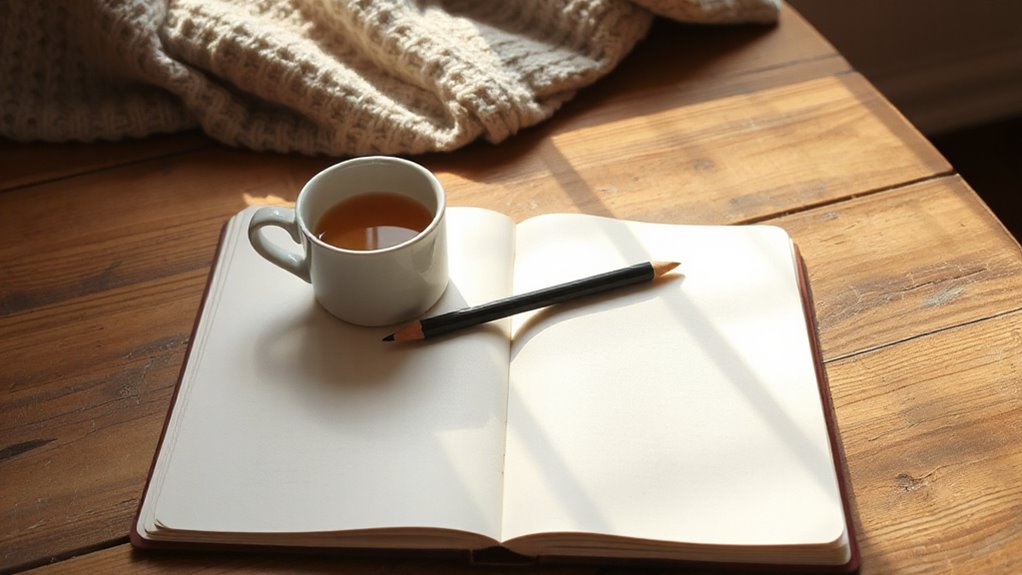
Sketching requires only a sketchbook and pencil, making it one of the easiest hobbies to pick up when energy and resources feel limited.
Related Posts