


Why Late-Night Phone Checking Delays Sleep and Drains Your Next Day
Late-night phone checking disrupts sleep through two distinct but reinforcing channels: the biological effect of screen light and the mental stimulation of engaging content.
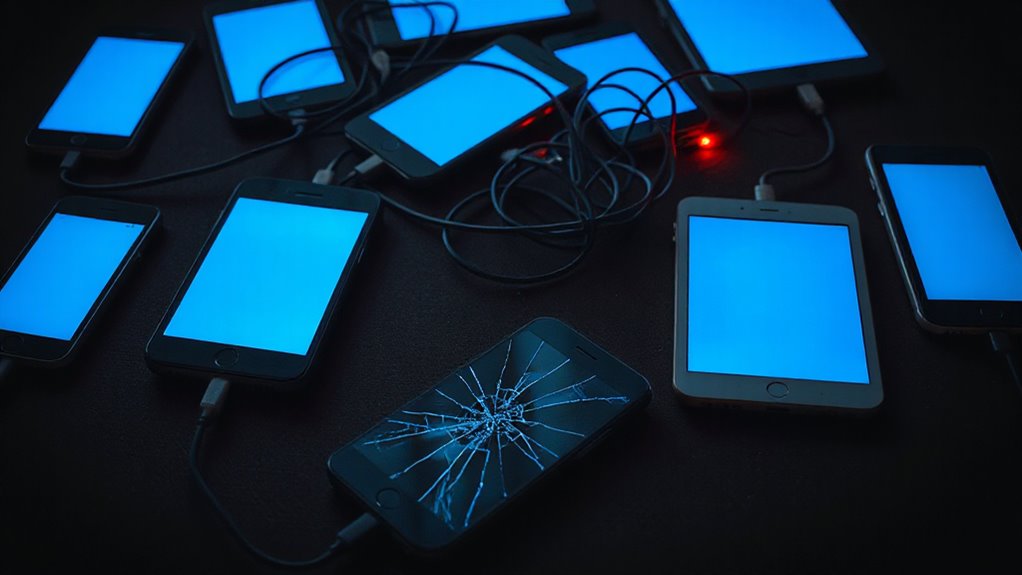
Blue wavelengths suppress melatonin, signaling the brain that daytime conditions persist.
Simultaneously, stimulating content, whether social media, games, or work messages, raises alertness precisely when the body should be winding down.
Research links evening smartphone use to longer sleep onset, shorter total sleep time, and reduced sleep efficiency, and these sleep disturbances are common across disorders and can both trigger and result from mental health problems.
The consequences extend into the following day, producing fatigue, irritability, and diminished focus. Children are especially susceptible, as device use at night leaves them more likely to feel tired the next day due to insufficient high-quality sleep.
Recognizing both mechanisms is the first step toward reclaiming consistent, restorative sleep. Notably, experts point out that the content consumed on devices is more disruptive than light itself, making behavioral limits around evening screen use more impactful than simply filtering blue light.
The Phone Habits That Do the Most Damage to Your Sleep
Understanding why screens and stimulating content undermine sleep is useful, but identifying the specific habits that cause the most harm brings that knowledge into sharper focus.
Research points to three particularly damaging behaviors: using a phone for at least 30 minutes after lights out, keeping the device near the pillow, and sending or receiving messages during the intended sleep period.
Each behavior independently worsens sleep latency, efficiency, and next-day functioning.
Together, they compound disruption substantially.
Particularly, bedroom phone access amplifies harm beyond use alone, meaning proximity matters even without active engagement.
Recognizing these patterns is the first step toward meaningful, lasting change. In a large cross-sectional study, frequent device use was associated with bad sleep quality and longer sleep latency, even after controlling for age, BMI, and medication use.
Many users also report anxiety and low mood linked to nighttime checking, which can further disrupt sleep and increase the risk of depression.
How to Stop Checking Your Phone at Night Without Relying on Willpower
Stopping late-night phone checking becomes especially easier when the strategy shifts away from willpower and toward deliberate environmental design.
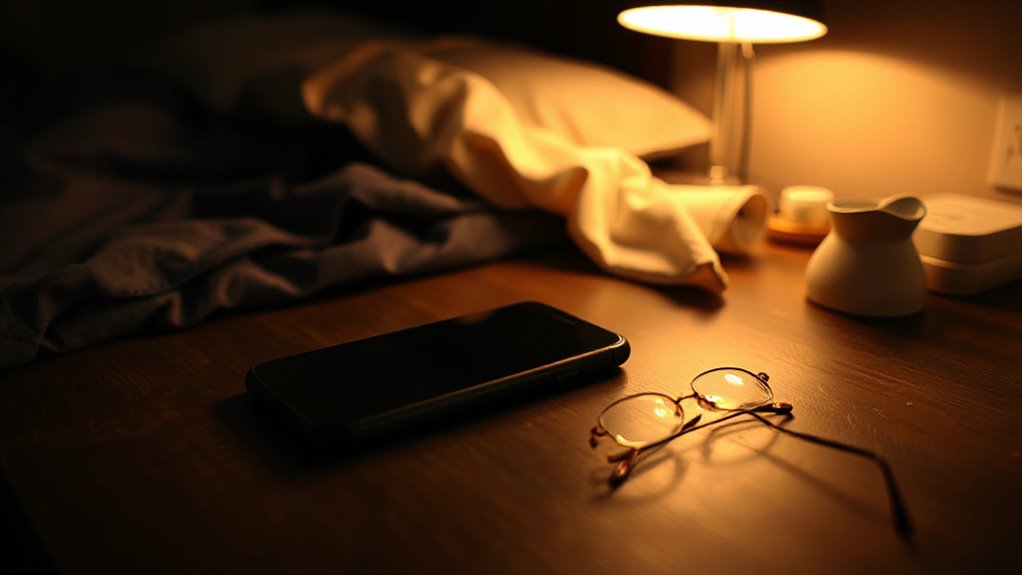
Moving the phone out of the bedroom removes the most direct temptation, while placing the charger in another room physically separates charging from nighttime browsing.
A dedicated alarm clock eliminates the practical justification for bedside access.
Fixed rules, such as a consistent “screens off” time applied every night, replace in-the-moment decisions with automatic habits.
Filling the final hour before bed with low-stimulation activities like reading or light preparation further reduces the pull toward the screen, making better sleep the default outcome. Maintaining a tidy sleep space also helps reduce visual cues that provoke phone checking. Research supports this approach, with a four-week study finding that restricting mobile phone use 30 minutes before bed reduced sleep latency and pre-sleep arousal while also increasing sleep duration.
Smartphone screens emit light that is intense in the blue part of the visible spectrum, which stimulates retinal cells that inhibit melatonin secretion, decreasing sleepiness and disrupting the sleep-wake cycle.
Build a Phone-Free Wind-Down Routine You Can Actually Stick To
A phone-free wind-down routine works best when it follows a consistent sequence of 4 or 5 simple steps completed in the same order each night.
Repetition builds automaticity, reducing decision fatigue over time. The lateral prefrontal cortex helps by suppressing irrelevant information, which supports creating consistent habits for easier nightly adherence.
Three practical anchors help the routine hold:
- Start with a firm cutoff, placing devices outside the bedroom at the routine’s beginning.
- Replace scrolling with low-stimulation activities like reading, journaling, or light stretching.
- Dim the environment by lowering lights and cooling the room to reinforce sleep readiness.
Beginning small and staying consistent matters far more than executing a perfect routine every night. Research suggests that taking five minutes to write a quick to-do list before bed can significantly speed up sleep onset. Keeping the room temperature between 60 to 67°F supports the body’s natural transition into sleep by helping lower core body temperature.
What Happens to Your Sleep When You Cut Bedtime Phone Use
When bedtime phone use stops, the body’s sleep systems begin to recover in ways that are both measurable and meaningful. Research shows that cutting phone use before bed shortens the time needed to fall asleep, increases total sleep duration, and improves overall sleep quality. Mindfulness practices during the evening can further reduce stress and help transition toward sleep.
Melatonin production, often suppressed by screen light, can normalize, supporting a more consistent sleep-wake cycle. One study found that restricting phone use for four weeks even improved working memory and positive mood.
These are not minor gains. Better sleep translates directly into sharper focus, steadier energy, and stronger daily performance. Using device night modes to shift screen light away from blue tones in the evening can further reduce the alerting effects that delay sleep onset. A large prospective cohort study found that RF-EMF exposure from mobile phone use was not associated with most sleep outcomes over a four-year follow-up period.