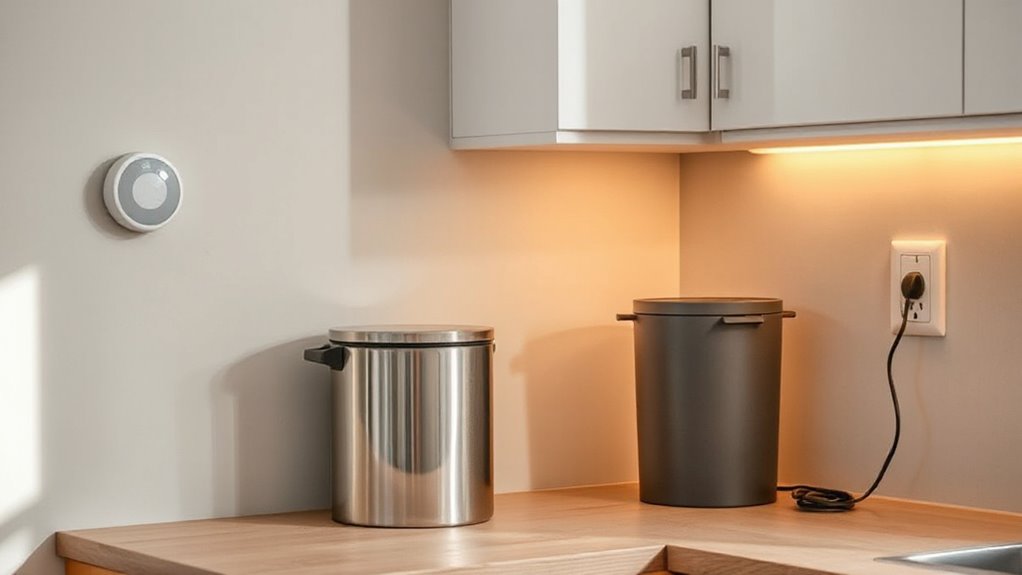
Why Willpower Fails at Building Eco Habits
Many people start their eco-friendly journey with genuine enthusiasm and strong intentions, only to find those intentions fading within days or weeks. This pattern is not a personal failure.
Research consistently shows that willpower is an unreliable foundation for lasting behavior change. It falters under fatigue, distraction, and competing daily demands. Neural filtering operates automatically to suppress distractions, which is why relying on willpower alone often fails.
Willpower alone will not carry you. It bends under fatigue, distraction, and the relentless weight of daily life.
Sustainable habits do not depend on repeated self-control but on systems that reduce the need for it.
When the environment supports the desired action automatically, behavior becomes more consistent. A large-scale replication study across 23 labs found the ego depletion effect was statistically indistinguishable from zero.
Designing the home context thoughtfully, rather than relying on resolve, is what makes eco habits genuinely durable. Studies tracking daily behavior found that roughly 43 percent of actions people performed each day occurred automatically in the same location at the same time, without conscious deliberation.
Which Rooms in Your Home Create the Best Eco Habit Triggers?
Once willpower is removed from the equation, the home environment itself becomes the engine of eco-friendly behavior. Every room offers distinct trigger points worth understanding.
The kitchen’s dishwashing station and sink area prompt water-saving responses during high-frequency daily tasks. The bathroom’s shower and sink zones reinforce shorter water use and low-waste product swaps. The laundry room’s washer placement naturally cues full-load and cold-water habits. The living room’s light switches and power strips support energy conservation without deliberate effort. Recognizing which rooms hold the strongest cues allows people to prioritize changes strategically, producing meaningful results efficiently. Keeping reusable cloths and refillable spray bottles visible on a shelf or counter makes it easier to reach for them automatically instead of disposable alternatives.
The backyard serves as a powerful environmental trigger as well, where visible garden beds and compost bins naturally encourage home food growing and waste reduction practices. Maintaining a tidy, ergonomically arranged space can also reduce cognitive friction and help sustain habits.
How Cues, Friction, and Layout Drive Your Daily Habits
The physical design of a home does more than organize space — it quietly shapes which behaviors feel natural and which feel like work.
Three mechanisms drive this process: cues, friction, and layout.
Cues placed along existing routines signal action without requiring memory.
A reusable bag hung near the door, for instance, intercepts the departure routine effortlessly.
Friction determines how often a behavior actually happens — reducing steps toward eco-friendly choices makes them easier to repeat.
Layout controls access and visibility, deciding which options feel automatic.
Together, these forces make sustainable habits the path of least resistance. Research suggests that 45% of daily behaviors are repeated automatically in the same location each day, meaning the environment itself is doing much of the behavioral work.
Reducing even one or two steps toward a desired behavior meaningfully increases the likelihood it gets performed, which means friction removal outperforms motivation as a long-term strategy for building consistent habits.
Designing simple workflow rules in your home — such as designated spots and clear progressions for reused items — creates consistency and reduces decision friction.
Design Your Home to Make Green Choices the Default
Cues, friction, and layout explain how a home shapes behavior — but the deeper strategy is to make sustainable choices the automatic default, not just the easier one.
Cues and friction shape behavior — but the real goal is making sustainability the automatic default.
Default rules work by leveraging status quo bias, steering behavior without requiring constant willpower.
A smart thermostat set to efficient temperatures, a low-flow showerhead installed once, or a kitchen organized around visible, use-first food — each removes the daily decision entirely.
These systems function as nudges rather than mandates, preserving personal choice while embedding sustainability into the home’s baseline operation.
The goal is designing an environment where the green option simply happens. Placing reusable bags, to-go containers, and water bottles at the front door ensures sustainable choices are triggered automatically before leaving the house.
Houseplants positioned throughout living spaces quietly serve a functional role beyond aesthetics, using photosynthesis to replace carbon dioxide with oxygen while absorbing indoor air pollutants such as formaldehyde, benzene, and toluene — making cleaner air a passive, ongoing default rather than an active pursuit.
Regularly digitizing manuals and warranty papers also reduces clutter and supports long-term organization by creating a centralized repository for important documents.
Five Low-Effort Home Changes That Build Lasting Eco Habits
Designing a home for sustainability does not have to mean dramatic renovation or constant mindfulness. Five straightforward changes can make eco-friendly behavior the automatic default.
Smart thermostats reduce heating and cooling bills by more than 8% while eliminating manual adjustments entirely. They also support setting time-bound temperature schedules that align with daily routines to lock in savings.
Motion-sensor lighting and LED upgrades remove the burden of remembering to switch lights off.
Cold-water washing cuts energy use sharply, since roughly 90% of laundry energy heats water. Switching four of five weekly loads from warm to cold can reduce household CO₂ emissions by 864 pounds in a single year.
Air drying extends clothing life while reducing electricity demand.
Finally, well-placed compost and recycling bins turn sorting into an effortless daily habit rather than a deliberate choice. Smart plugs and strips eliminate standby power waste from electronics by automatically cutting power to idle devices on a set schedule.
Related Posts