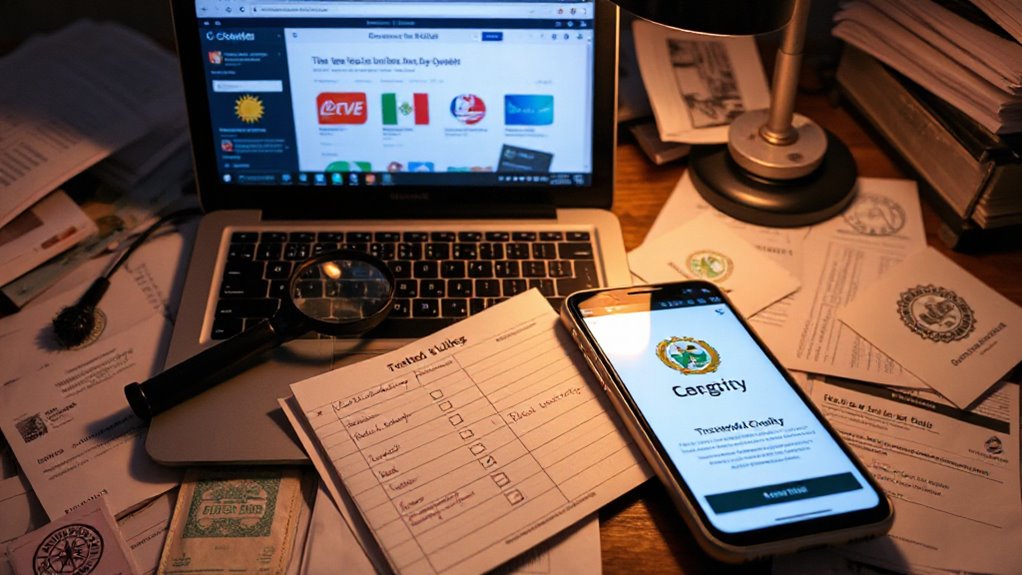
Why So Much Energy Advice Online Can’t Be Trusted
Much of the energy advice circulating online is shaped less by accuracy than by financial incentive. Affiliate marketing, lead-generation schemes, and sales-driven comparison websites tie revenue to clicks and purchases rather than factual guidance.
Some “free” energy audits harvest personal data instead of delivering genuine savings. Social-media posts promising dramatic bill reductions often prioritise engagement over evidence, while rogue installers publish misleading reviews to manufacture credibility. Many businesses report measurable productivity gains from adopting AI, which can also be used to automate and scale these marketing tactics productivity gains.
During cost-of-living pressures, these tactics intensify, exploiting financial anxiety to push overpriced services or fictitious grants. Recognising these motivations is the first step toward filtering unreliable sources and finding advice that genuinely serves household interests. In fact, 42% of people are happy to trust any advice found on social channels, even if it does not come from energy professionals.
Scammers frequently create a false sense of urgency, claiming grants or offers expire imminently to pressure households into making rushed decisions without independently verifying whether the opportunity is legitimate.
Which UK Organisations Give Truly Impartial Energy Advice
Cutting through the noise of commercially driven energy content is far easier when households know exactly where to look for genuinely independent guidance. Citizens Advice remains the UK’s official free energy advice source, offering a dedicated helpline and webchat staffed by trained advisors. The organisation also works alongside national initiatives to promote productivity and efficient resource use across public services.
Ofgem endorses several additional services, including Simple Energy Advice for England and Wales, Home Energy Scotland, and Nest for Welsh households. Each provides impartial, tailored guidance on bills, efficiency, and available grants.
Consulting these regulated, government-linked organisations removes much of the uncertainty surrounding energy decisions, giving consumers reliable information completely free from commercial influence or supplier bias. Scottish households can reach Home Energy Scotland free of charge by calling 0808 808 2282 from landlines and most mobile networks. For those in Scotland seeking online resources, energyadvice.scot serves as the dedicated digital destination for energy guidance and support.
Getting the Right Energy Advice Depends on Where You Live
Where a household is located shapes which energy advice services are actually available to it, and understanding this patchwork is the first step toward finding genuine help.
England’s South West alone hosts Plymouth Energy Community, Community Energy Plus in Cornwall, and ECOE covering Exeter and Torbay — each serving distinct geographic boundaries. Proper local planning also helps target resources and support where they will have the most impact, improving chances of timely, on-budget outcomes and efficiency.
London residents once had Energy Advice London, which closed in May 2024, though the national helpline remains active.
Councils like Newham bundle advice with insulation grants for eligible residents.
Knowing one’s postcode often determines not just who to call, but what practical support is realistically on offer. Residents in Somerset, Bristol, Bath and Wiltshire can contact the Centre for Sustainable Energy by phone, email, or through their website for local energy advice.
Worcester, Massachusetts residents can book a no-cost 30-minute appointment with the city’s Energy Advocate for personalized guidance on energy-saving programs, utility bill assistance, and available incentives.
How to Spot Misleading Energy Advice Before It Costs You
Energy scams and misleading advice have grown more sophisticated alongside the genuine expansion of government grant schemes and green energy incentives, making it harder than ever for households to tell legitimate offers from exploitative ones.
Several reliable warning signs exist, however.
Unsolicited contact promising dramatic, guaranteed savings, pressure to decide immediately, or requests for upfront cash payments all suggest something dishonest.
Legitimate suppliers provide written quotes, transparent calculations, and verifiable contact details.
Any offer claiming government authority should be cross-checked against official websites.
Recognising these patterns early gives households the confidence to walk away before committing financially to something potentially harmful.
Dodgy businesses frequently target consumers through door-to-door sales and cold calls, falsely claiming to represent the government in order to extract personal information or money.
If you suspect you have been scammed, contact your bank immediately and report the incident to Action Fraud by calling 0300 123 2040 or by using their online form.
Many households also benefit from using secure collaboration tools to safely share documentation when assessing offers.
Cross-Checking Any Energy Tip With Sources You Can Trust
Finding trustworthy energy advice online is less about luck and more about knowing where to look.
Government energy portals, such as the UK’s national advice services, publish regularly updated guidance on tariffs, grants, and efficiency standards, often alongside interactive savings calculators. Regular exercise can free up time and mental energy to act on and implement practical energy-saving measures at home.
Independent charities like the Energy Saving Trust and Citizens Advice offer evidence-based recommendations, citing realistic savings figures rather than vague promises.
Regulators such as Ofgem provide neutral context around pricing and recognised advice sources.
Cross-referencing any tip against these three pillars, government portals, established charities, and utility regulators, gives readers a reliable framework for separating genuinely useful guidance from misleading claims. For those caring for someone at home, Carers Trust offers dedicated help checking whether carers or the person they look after qualify for winter-related heating benefits.
Many homes spend over half of their energy bills on heating and hot water, making heating and hot water efficiency one of the most impactful areas to focus on when looking to reduce costs.