Why Chronic Pain Disrupts Energy, Focus, and Routine
Chronic pain rarely affects the body in isolation — its reach extends into thought, energy, and the basic rhythms of daily life.
Chronic pain does not stop at the body — it quietly reshapes how we think, feel, and move through each day.
Research confirms that chronic pain contributes to declines in attention, processing speed, and memory.
Even momentary pain spikes elevate cognitive dysfunction measurably.
Fatigue compounds these effects, as pain and exhaustion reinforce each other in a cycle that erodes daily functioning.
Sleep disruption worsens pain sensitivity, while anxiety and depression — reported four times more commonly among people with chronic pain — further strain focus and motivation.
Understanding these connections is the first step toward managing them effectively. The nervous system is continuously managing pain signals, quietly consuming cognitive resources that would otherwise support concentration, decision-making, and memory.
Circadian disruption — common among those living with chronic pain — affects blood sugar, blood pressure, weight, liver function, and mental health, meaning the body’s internal timing system is often destabilized alongside the pain itself. This disruption can cause daytime fatigue to feel unmanageable, compounding the cognitive and physical burden that chronic pain already imposes.
Chronic stress also weakens immune function and increases susceptibility to infections, which can further undermine recovery and daily resilience, a process linked to immune suppression.
How to Prioritize Tasks When Your Energy Is Limited
When pain, fatigue, and cognitive fog routinely reduce the hours and mental bandwidth available in a day, how a person spends that limited capacity matters enormously.
Prioritization becomes less about ambition and more about triage.
One practical approach limits the daily list to one critical task, three important tasks, and nine optional ones, keeping focus on what genuinely moves progress forward.
Tasks with hard deadlines or serious consequences for delay should rise to the top.
Matching heavier work to peak energy periods, and lighter administrative tasks to low-energy windows, helps preserve output without accelerating burnout.
The Eisenhower Matrix divides tasks into four quadrants based on urgency and importance, helping to clarify which responsibilities truly demand attention and which can be delegated or deferred.
Breaking complex projects into smaller deliverables and using three-point estimation can make planning less overwhelming and improve time estimates.
How to Pace Your Day Without Triggering a Pain Flare
Pacing the day effectively begins long before a person attempts to change how much they do—it begins with understanding how much they can currently do without triggering a flare.
Tracking a specific activity over roughly one week establishes a reliable baseline, measured by time, distance, or repetitions.
From there, reducing that baseline by 20–25% creates a safer starting point.
Rather than stopping when pain demands it, a person follows scheduled activity and rest intervals, using a timer to enforce limits. Activity termination is time-contingent, not pain-contingent, meaning the schedule—not the pain—determines when to stop and rest.
Tasks are broken into smaller segments, and activity increases gradually, typically by 10% weekly, only when the body tolerates it consistently. Spreading tasks across the entire week rather than concentrating them into one or two days helps prevent the exhaustion and elevated pain that follow overloading a single day.
Moderate strategic delays can also boost creative problem-solving by creating incubation periods that let the subconscious restructure tasks and reveal new approaches.
How Better Sleep and Routine Help Manage Chronic Pain
Structuring the day around carefully timed activity and rest does more than protect against flares—it creates a framework that makes nighttime sleep more achievable. Consistent sleep schedules, calming pre-bed routines, and a properly conditioned sleep environment all reduce pain-related sleep disruption markedly. Research indicates that sleep affects pain more than pain affects sleep, making sleep quality a primary lever for managing daily pain levels.
Structured days don’t just manage pain—they quietly build the conditions that make restorative sleep possible.
- Wake at the same time daily, regardless of sleep quality.
- Reserve the bed strictly for sleep and sex.
- Wind down 30–60 minutes before bed using relaxation techniques.
- Keep the bedroom dark, quiet, and comfortably cool.
These steps strengthen the body’s natural sleep-wake rhythm, gradually improving both rest quality and daytime pain management. Poor sleep can trigger an increased release of cytokines, driving an inflammatory response that worsens pain sensitivity the following day. Emerging evidence shows that even modest improvements in sleep can significantly reduce symptoms of depression and anxiety, which are commonly linked to chronic pain and sleep problems, highlighting the importance of mental health in pain management.
Tools and Outside Support That Reduce Daily Strain
Beyond managing time and energy alone, the right tools and professional support can meaningfully reduce the physical strain that chronic pain places on daily life.
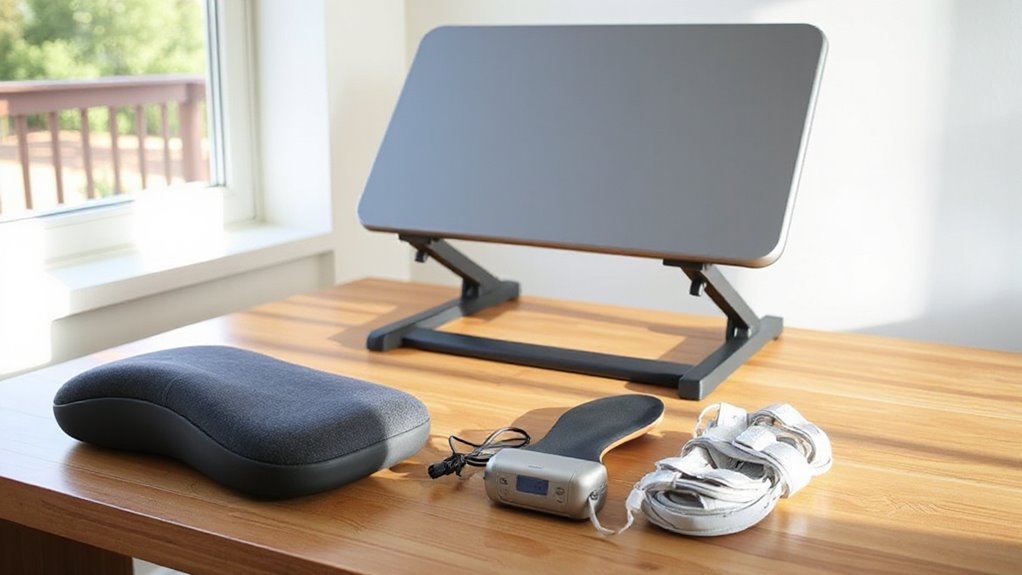
Mobility aids, orthotics, and ergonomic home adjustments can limit unnecessary load on joints and the spine throughout routine tasks. Research shows that combining professional rehabilitation with self-management strategies improves functional outcomes and reduces pain intensity, especially when exercise is included.
Physical and occupational therapists help redesign how activities get done, aligning effort with actual tolerance.
Medical providers can clarify pain causes, adjust treatment plans, and explore nonsurgical options like acupuncture or nerve stimulation.
Tracking pain scores and daily activities also strengthens clinical visits, helping providers make more targeted, effective adjustments over time.
Workplace accommodations, such as standing desks or task-specific adjustments, can be formally requested to better align job demands with physical limitations and tolerance.
Chronic pain affects roughly 20% of adults in the United States, making access to consistent professional support not a luxury but a practical necessity for functioning day to day.